A while back, Cathy asked if I would share some of the story about how Kike and Suni came to America. When I came across this newsletter over the weekend, it reminded me that she had asked.
You can click on the newsletter to embiggen if you’d like.
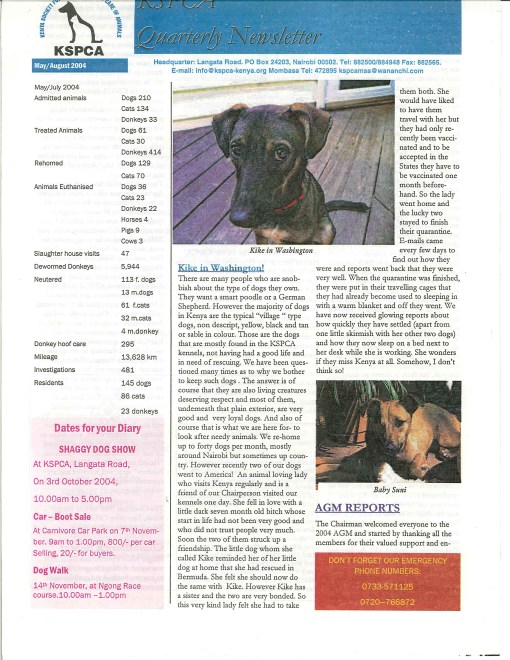
It’s really hard for me to believe that the African Queens have now been here for almost seven years.
I was in Nairobi, Kenya when I met Kike and Suni. My business partner was the Chairperson for the Kenya SPCA, and so each time I visited, a trip to the KSPCA was in order.
It was love at first sight when I saw Kike. She was the spitting image of Enzi, who I rescued while on a business trip to the Bahamas in 2001.
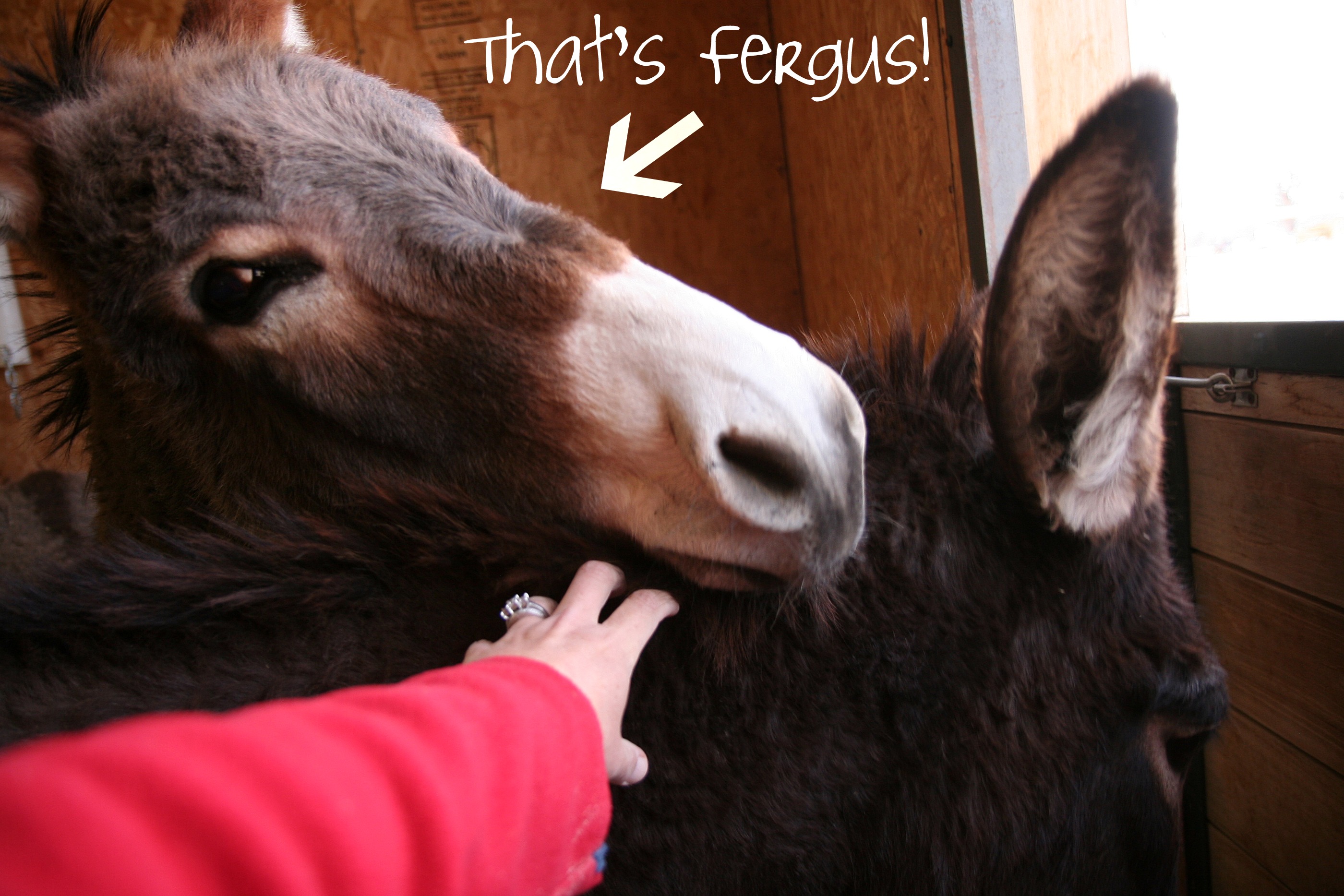
When they told me that Kike had a sister, I knew that I couldn’t take Kike and leave Suni behind… exactly as was the case when I knew Fergus had picked us… I knew we couldn’t take Fergus and leave Nigel behind.
The requirements to bring a dog through U.S. Customs are: 1) a valid rabies vaccination; given at least 30 days earlier, and 2) a certificate of good health completed by a doctor of veterinary medicine. (There is no quarantine period once they arrive in America.) Because Kike and Suni had only just been vaccinated for rabies, they were not able to fly home with me from Nairobi to Washington. (I lived in Maryland at the time.) Instead, we had to wait three weeks before they could fly.
While I was very unhappy that they wouldn’t be able to fly home with me right away, the time lag actually ended up being a blessing. The wait allowed the KSPCA staff to get Kike and Suni accustomed to being in crates, which was necessary for their long flights.
The KSPCA staff was wonderful in helping with all the necessary paperwork, helping to book flights for the girls, teaching them the names that I had picked for them, working with them to get them ready for their big journey, taking them to the airport, and so on. I’ll always be grateful to those wonderful and caring people.
Interestingly, we had the option of having Kike and Suni fly either with KLM through Amsterdam or British Airways through London. It was an easy decision to make based on the fact that had they flown with British Airways through London, they would have been in their crates for the entire 24-hour door-to-door journey. With KLM, the girls were taken out of their crates in Amsterdam, taken for a walk, and fed and watered, which I’m sure made all the difference for them.
I think I arrived at Dulles International Airport at least two hours before their flight arrived. As I watched each plane land, my anticipation grew. I couldn’t wait to see the girls in America! Naturally, those last moments felt like forever. When I finally saw them, it was a powerfully emotional moment. I was definitely in a hurry to get them out of their crates, but for safety reasons, I wasn’t allowed to take them out while we were still in customs. Who really wants a dog running down an airport runway?
Once I finished the required paperwork, I drove a short distance to one of the airport hotel parking lots. I remember feeling so happy taking them out of their crates and watching them ecstatically explore their new surroundings together. New smells! New sights! New sounds! To me, it was as if they had just been born. It was a beautiful June day and they were home.
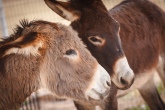
If you’d like to learn more about the KSPCA, you can visit their website here. Interestingly, they do a tremendous amount of work with donkeys in Kenya. I vaguely remember donkeys at the KSPCA, but unfortunately the last time I was there was BD (before donkeys at Morning Bray Farm), so I didn’t give the donkeys there a second glance. You can bet that the next time I’m there, I’ll notice the donkeys. ♥

























 Morning Bray Farm