Meet the bane of our New Mexico existence:
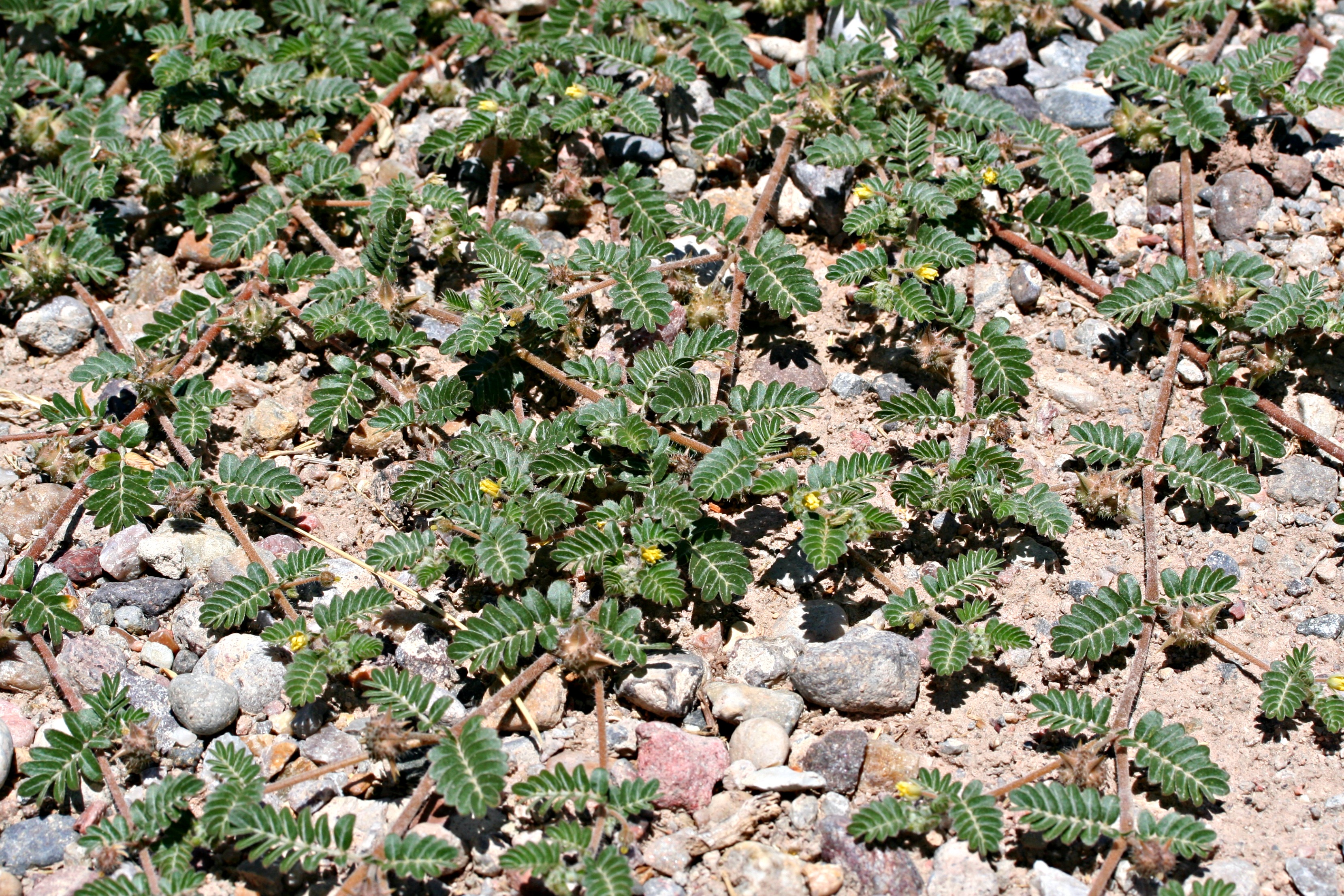
Puncturevine, a.k.a. goatheads:
It’s definitely a plant that’s designed to survive. From the time a goathead seed sprouts until it blooms and starts to form seeds usually only takes two to three weeks. Turn your head for a second and this happens:
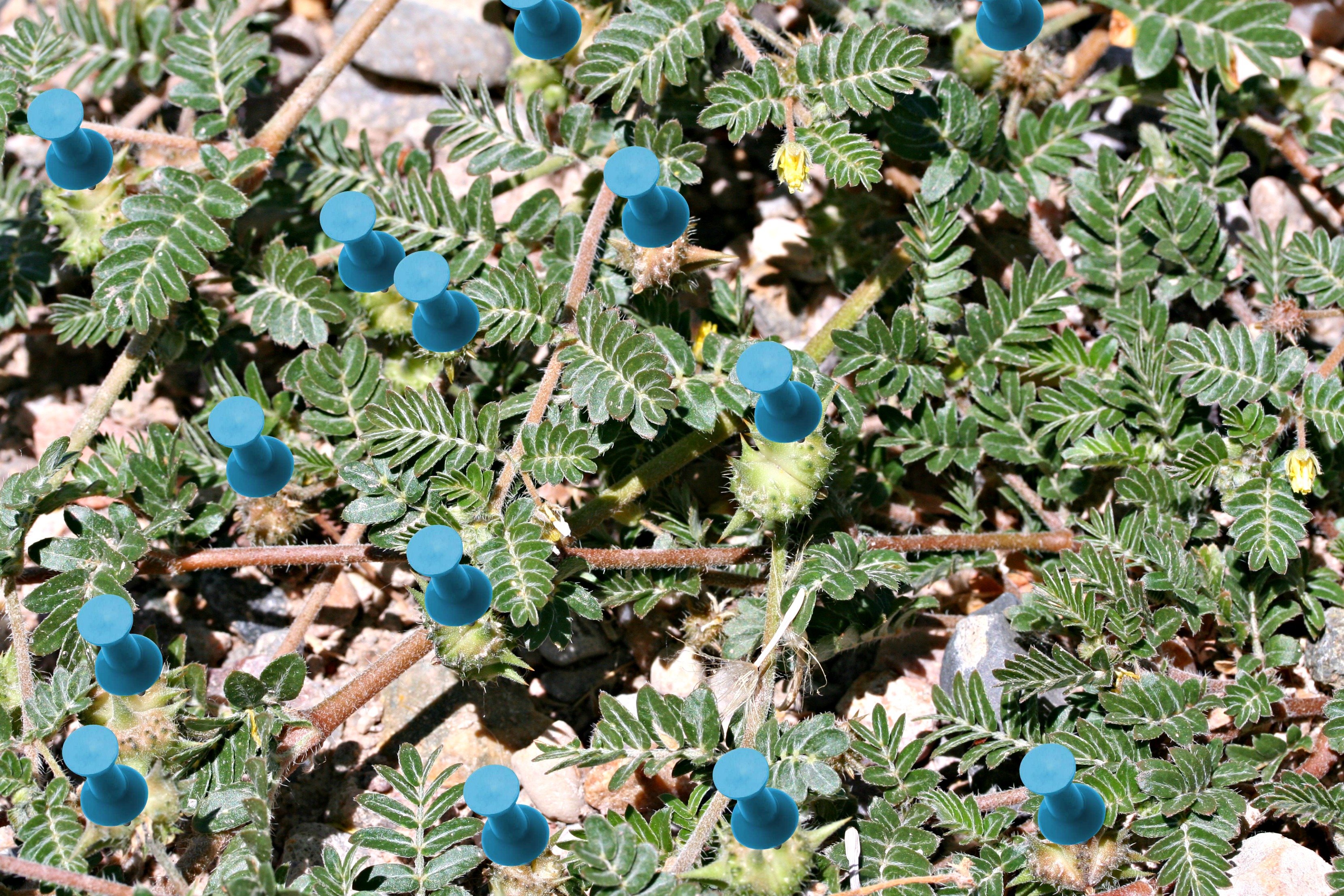
A ginormous, proliferating, tire puncturing, noxious weed:
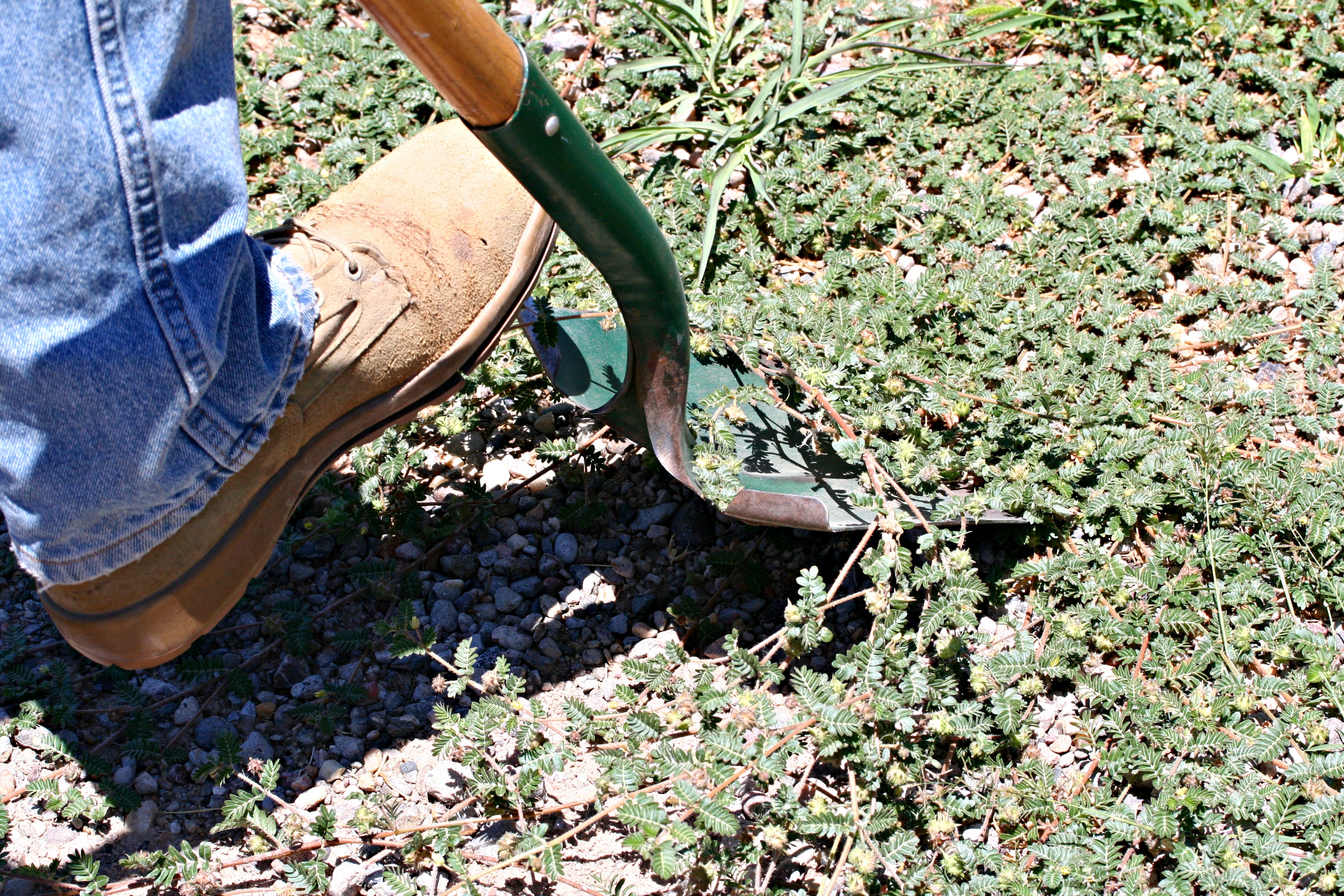
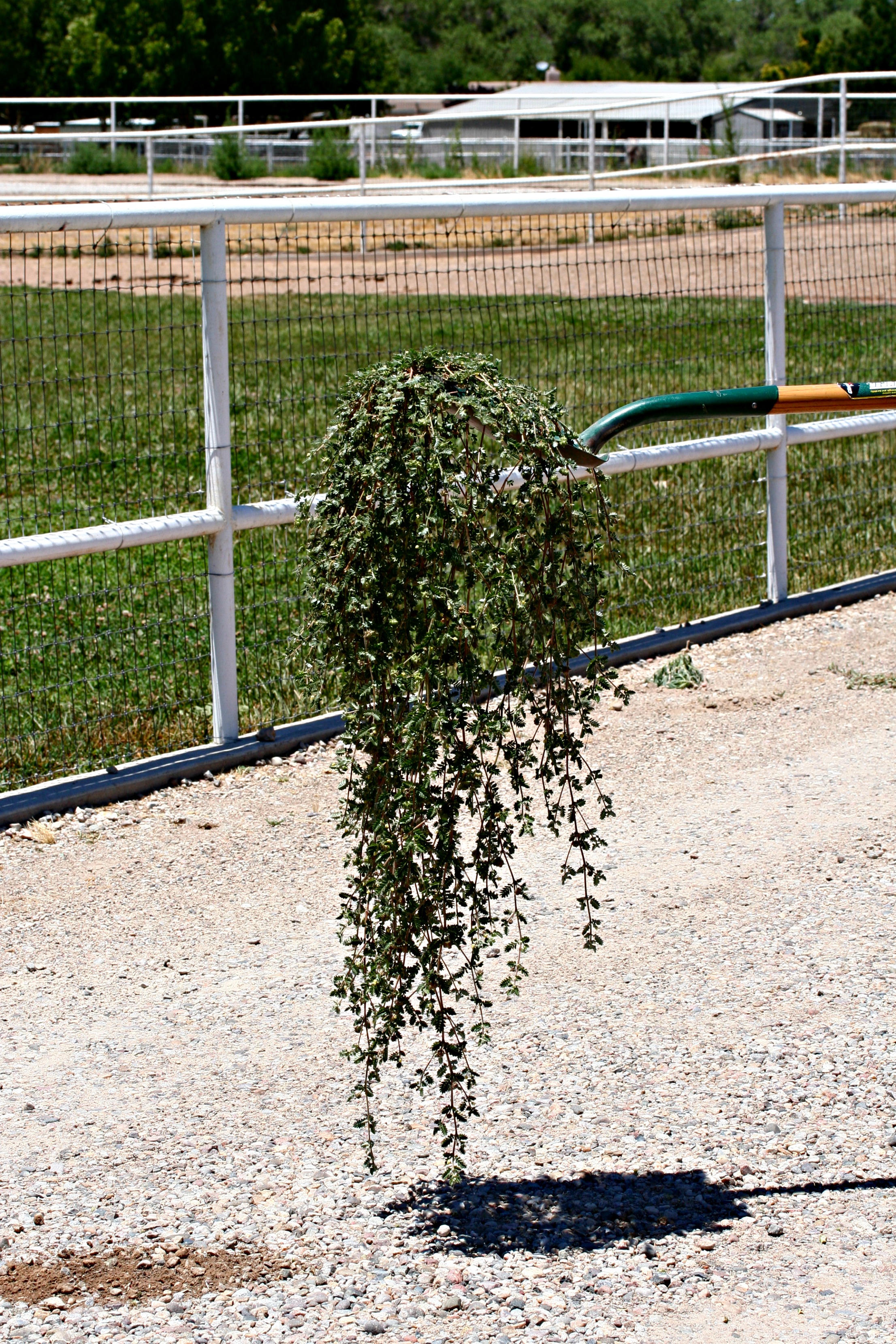
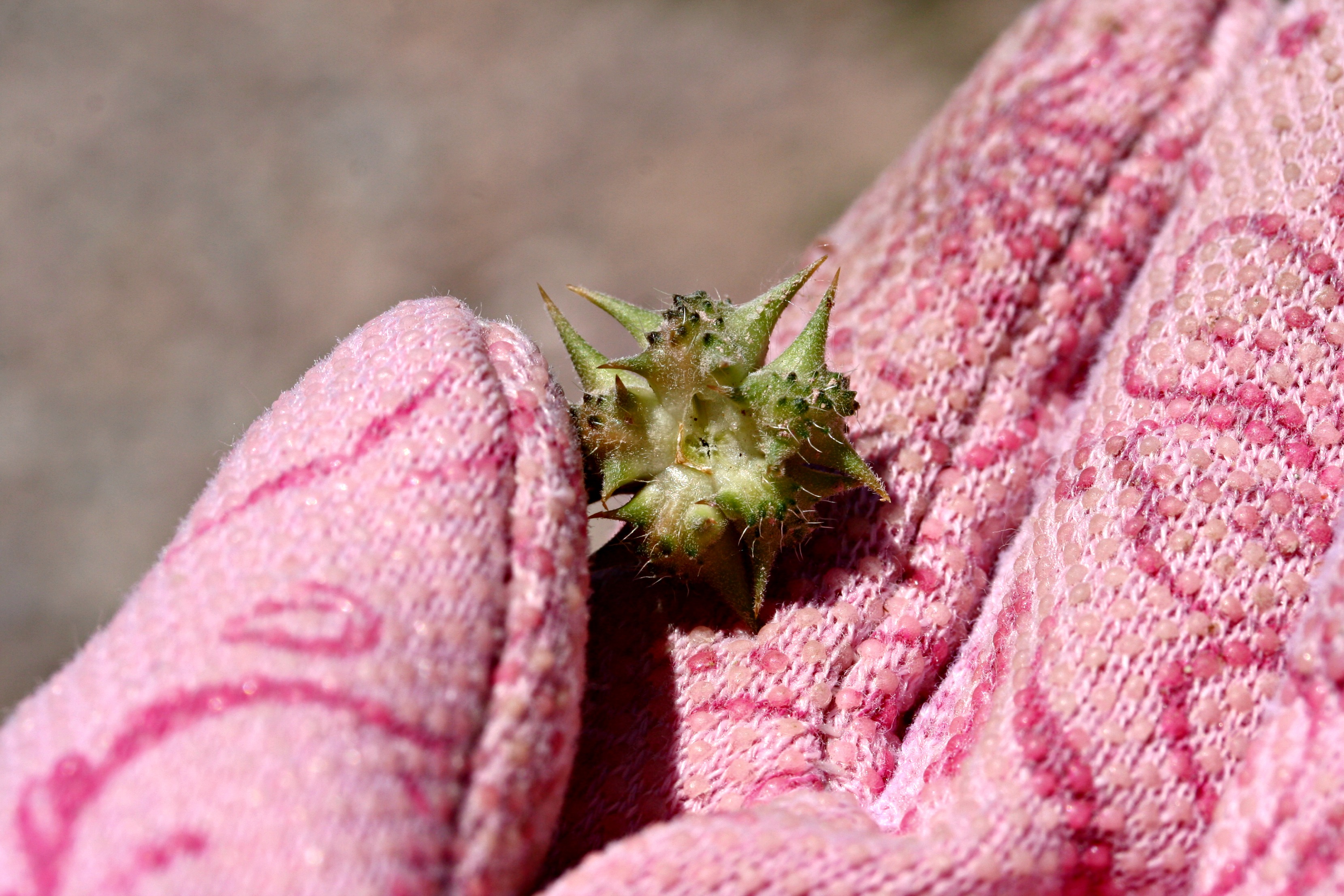
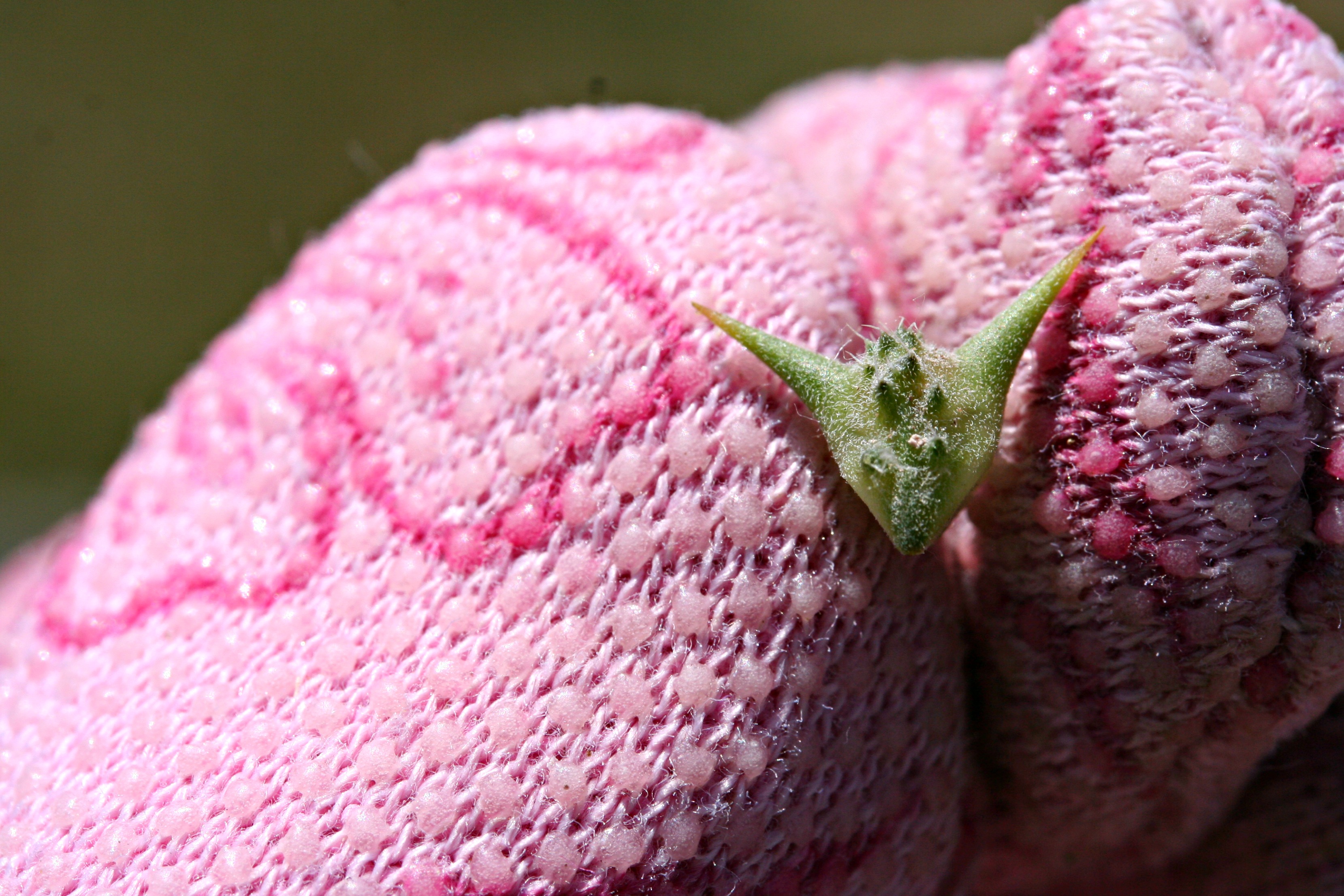
Wondering why we call them goatheads? Here’s why:
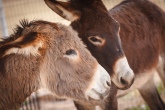
Not everyone at Morning Bray Farm shares Don’s and my disdain for goatheads though.
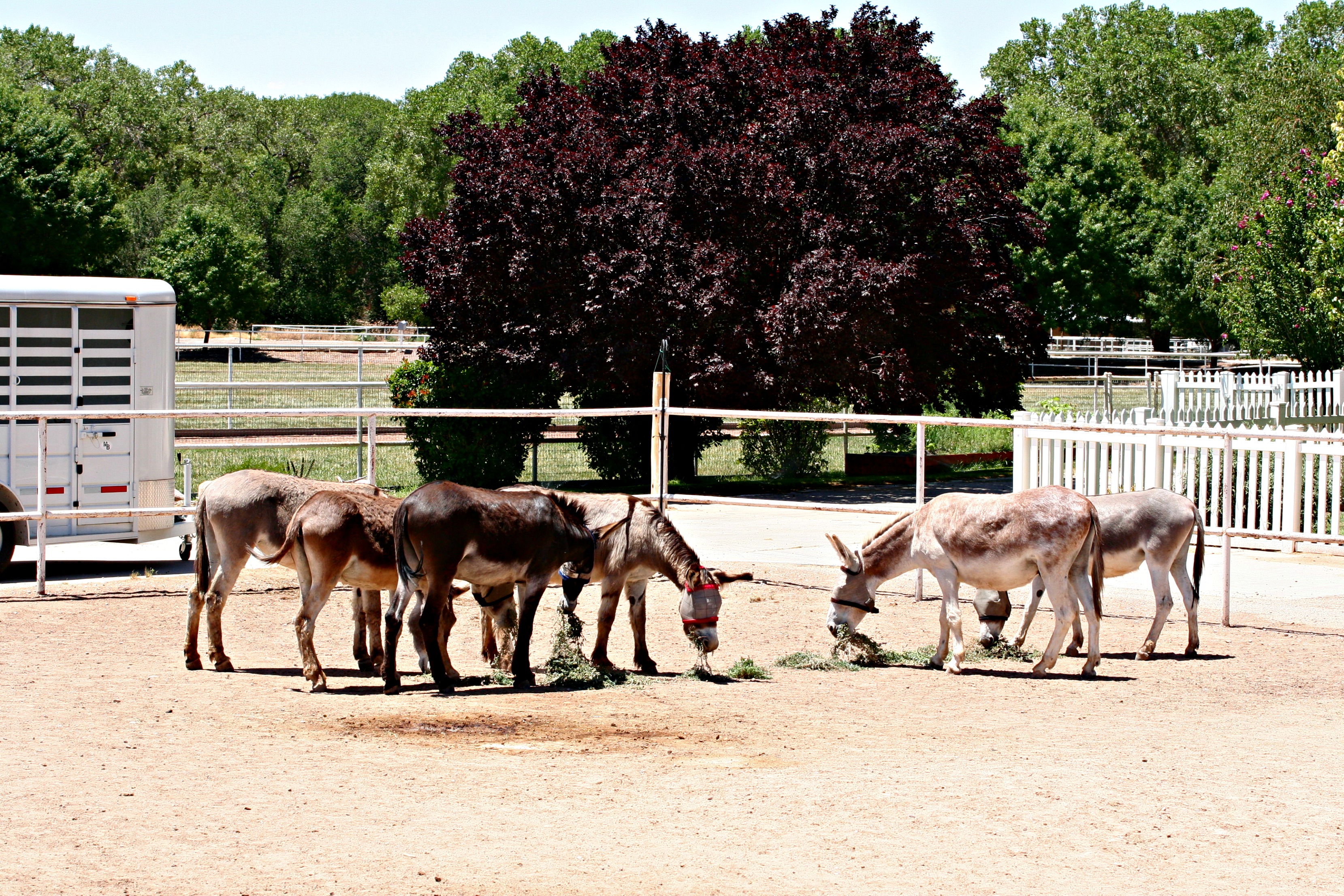
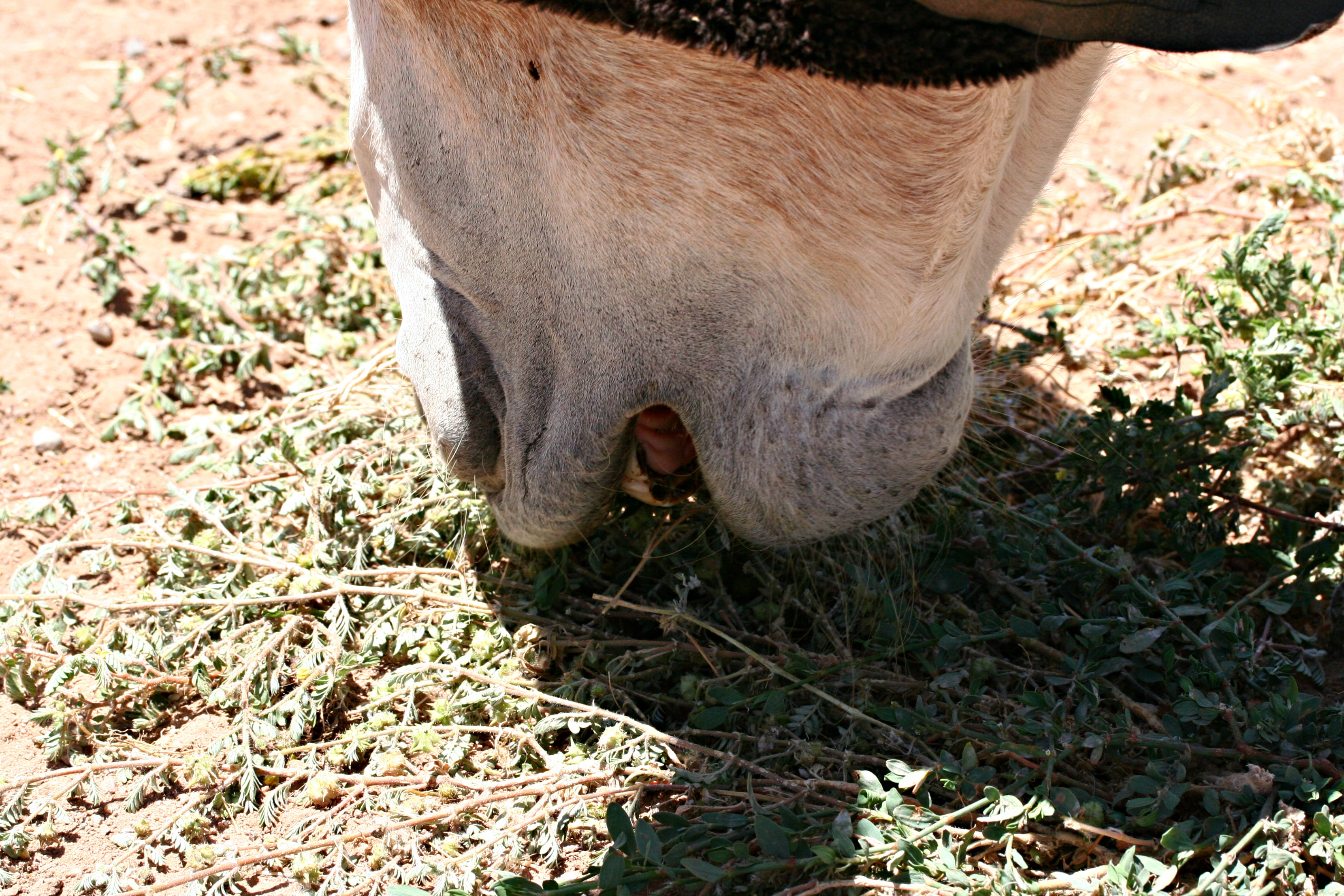
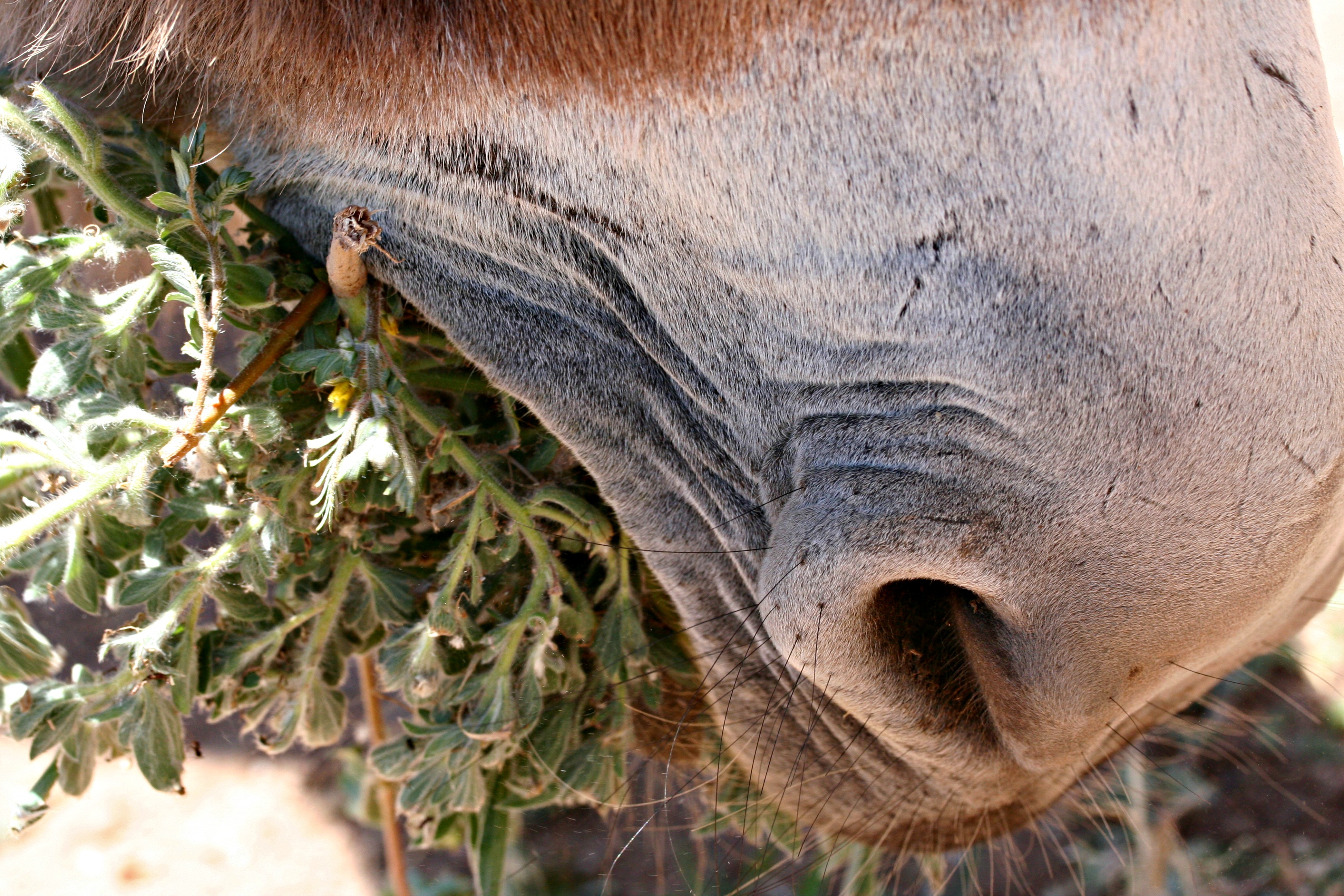
The Boyz and Gracie think they’re delish:
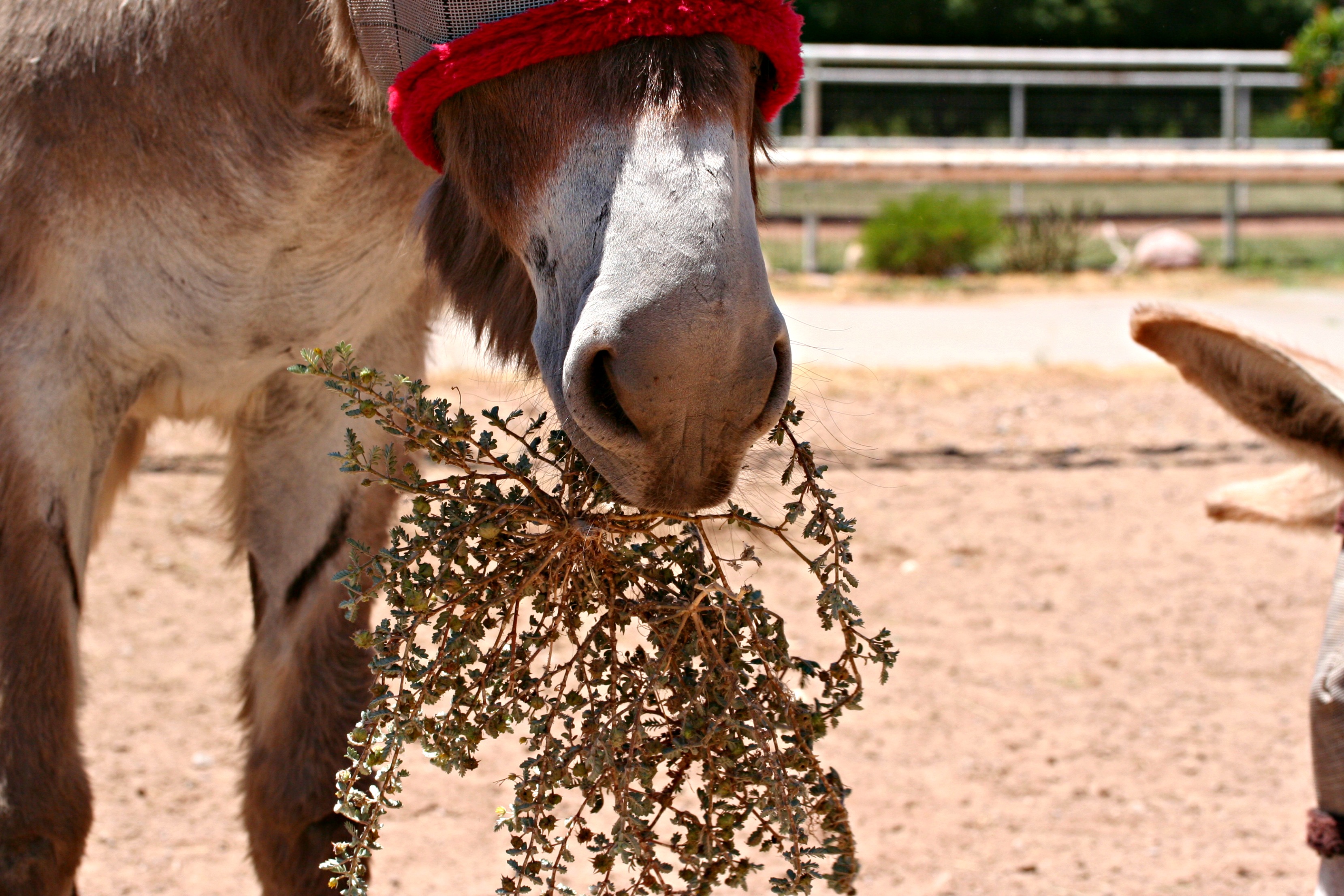
Really? It’s gotta be like eating thumbtacks:
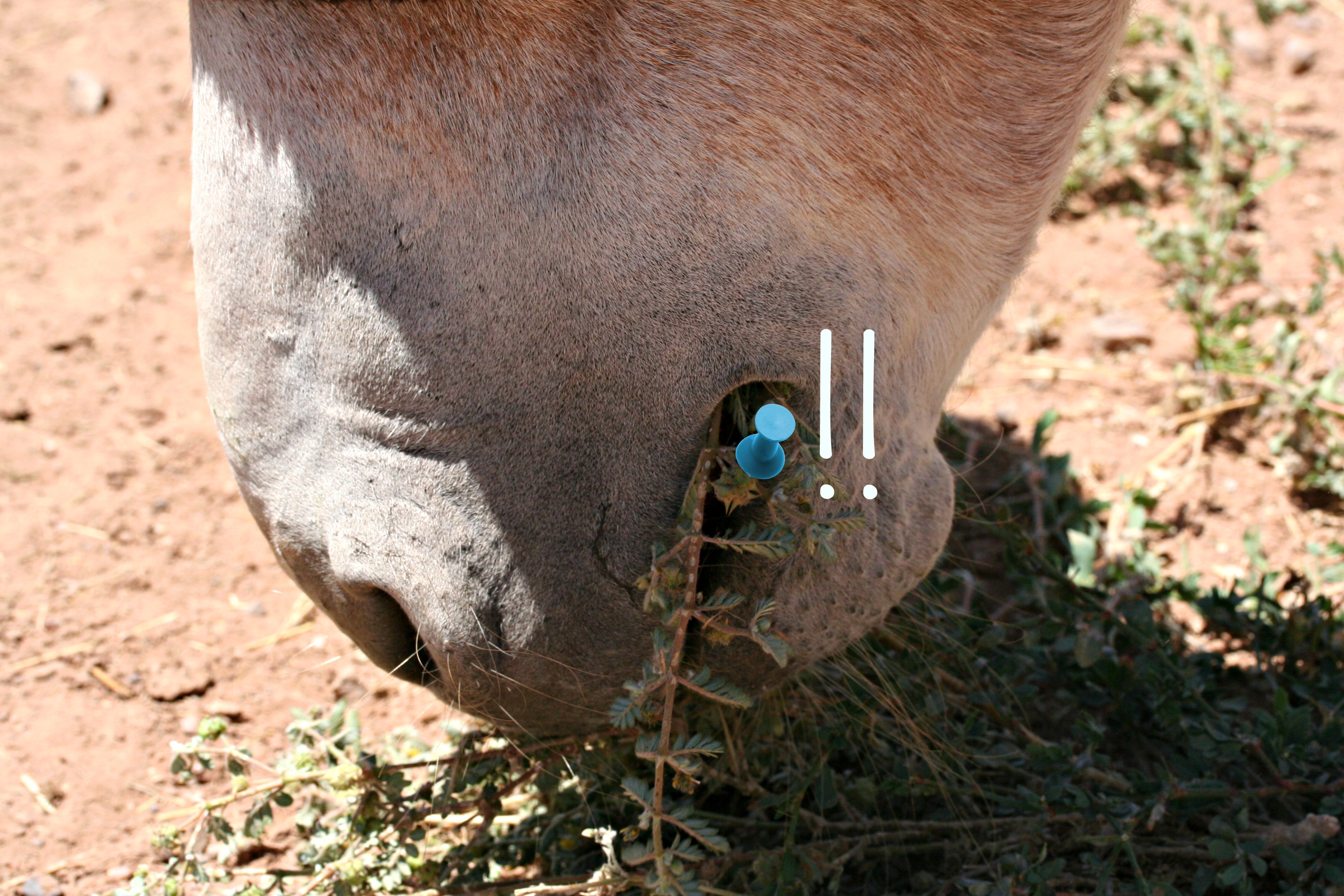
From goatheads.com:

The seed is an amazing product of natural selection. The seed coat is extremely durable (as you well know if you’ve ever stepped on one with a bare foot) and in the right conditions can last upwards of 20 years. Each fruit or burr separates into five separate segments. Each segment has two to four seeds inside it.

The first weekend in March is generally set aside for cleaning out flower beds and welcoming back our perennials.

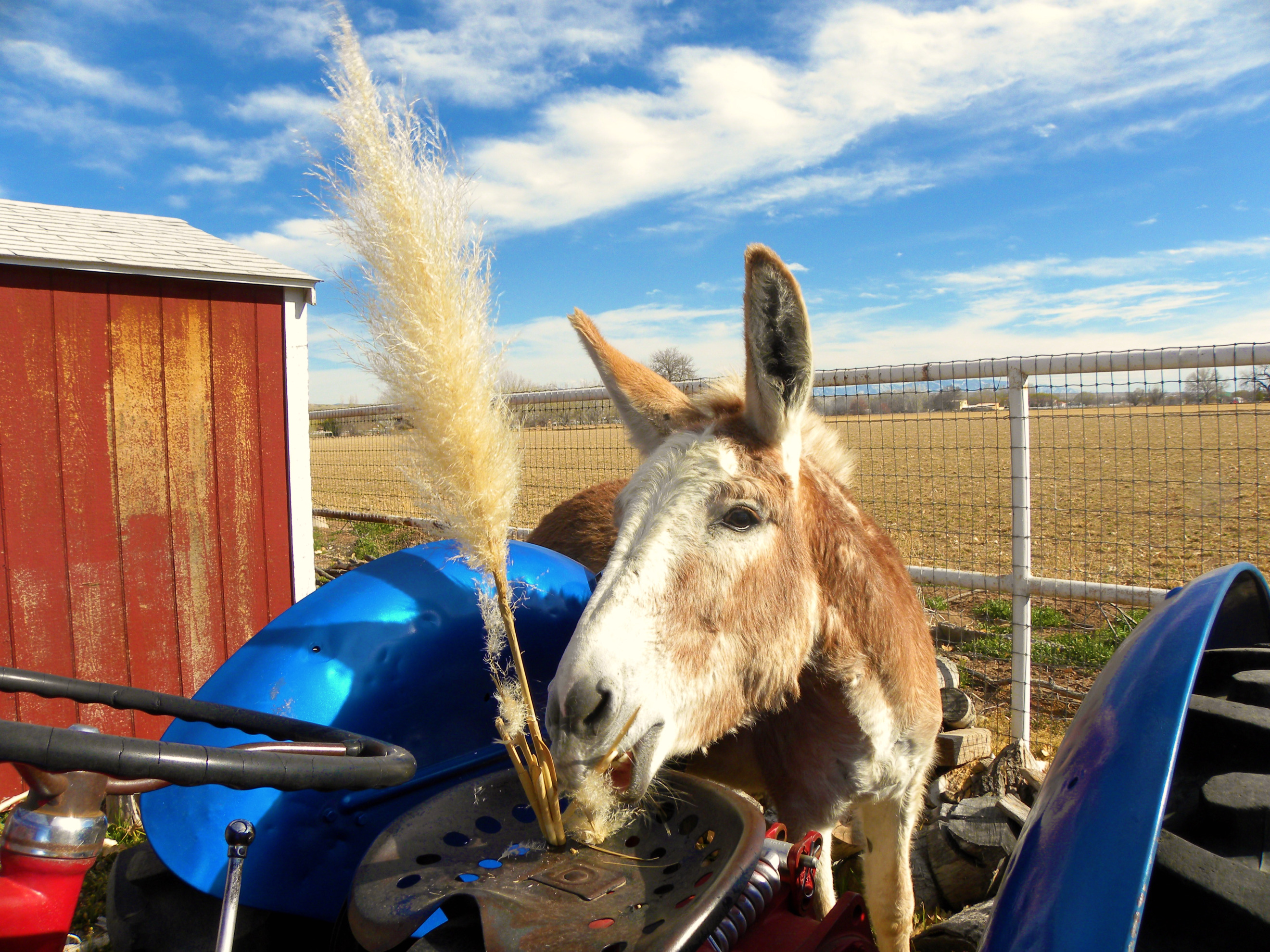
One of the things on our to-do list was cutting back the pampas grass.  The flower spikes are excellent for drying, so I propped them on Don’s tractor while I finished cleaning up.

When I turned back around, Ellsworth had decided there was a better use for the flower spikes. Oh well.  

Bernard and Ellsworth happily did their part in our spring cleaning efforts by working on weeds. Great job boys!

Farmgirl, see the yellow hay twine? You inspired me to make a temporary fence for the boys. For those familiar with the layout of our farm, it looks strange to see the boys in that “void” between the corral and the pasture. Carson, not to worry. They’re not out there without supervision. Promise.

We had a fence company out yesterday afternoon to give us an estimate on a pipe fence to connect the pasture and the corral. It will run the same path as the existing yellow twine. I’m really excited about this because it will give the boys the freedom to move between the corral and the pasture as they please.