Plants and Flowers


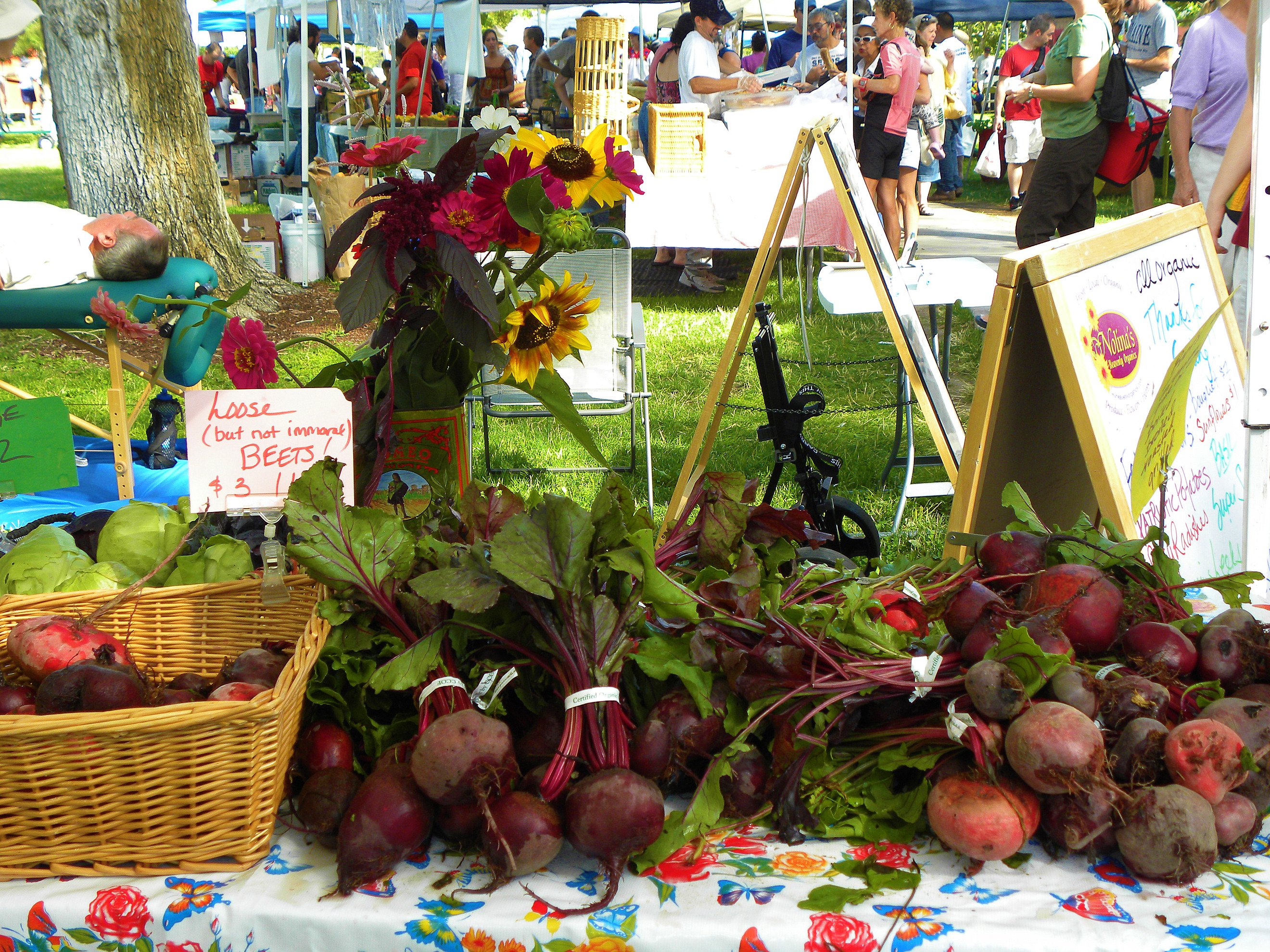
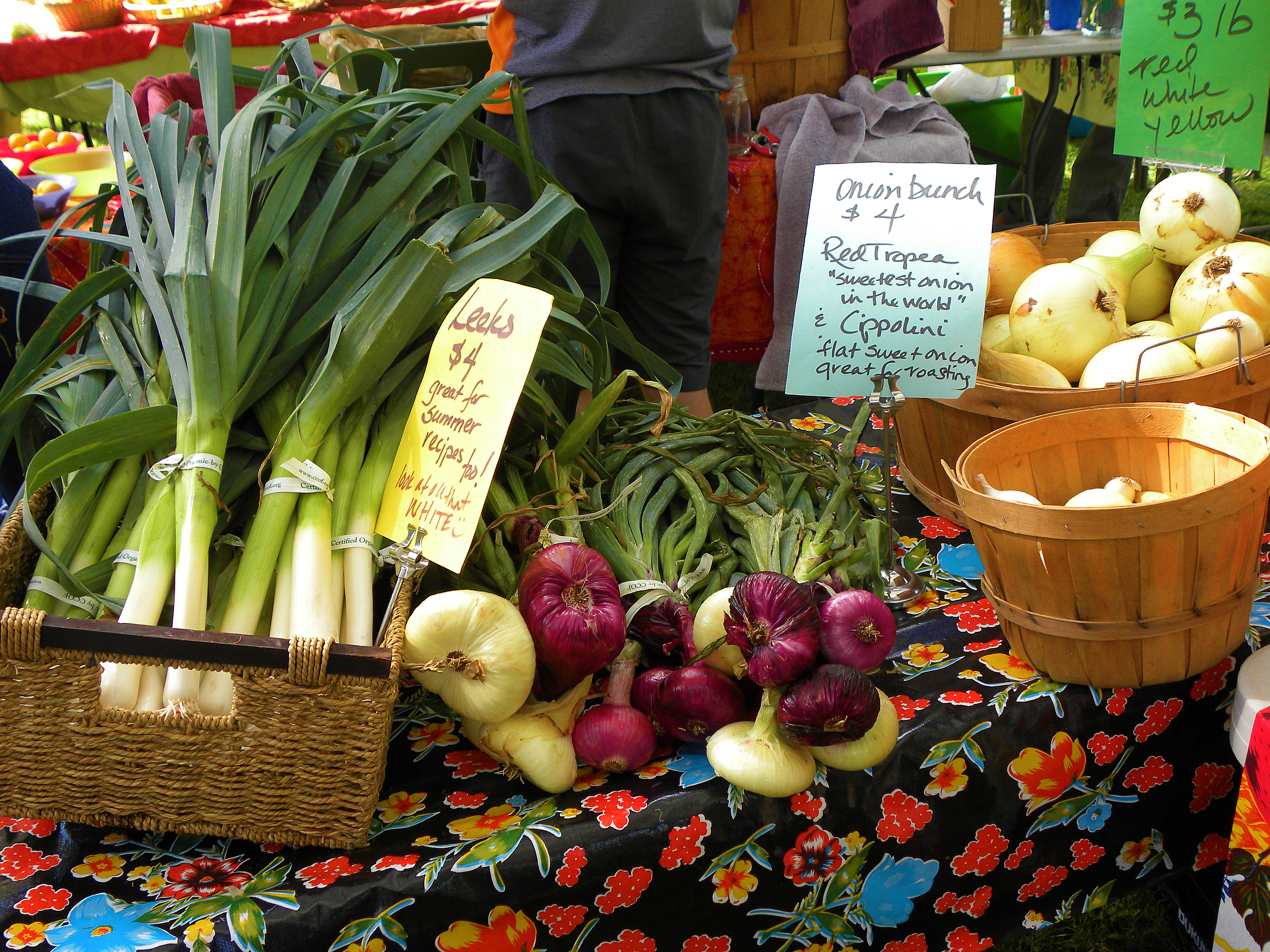
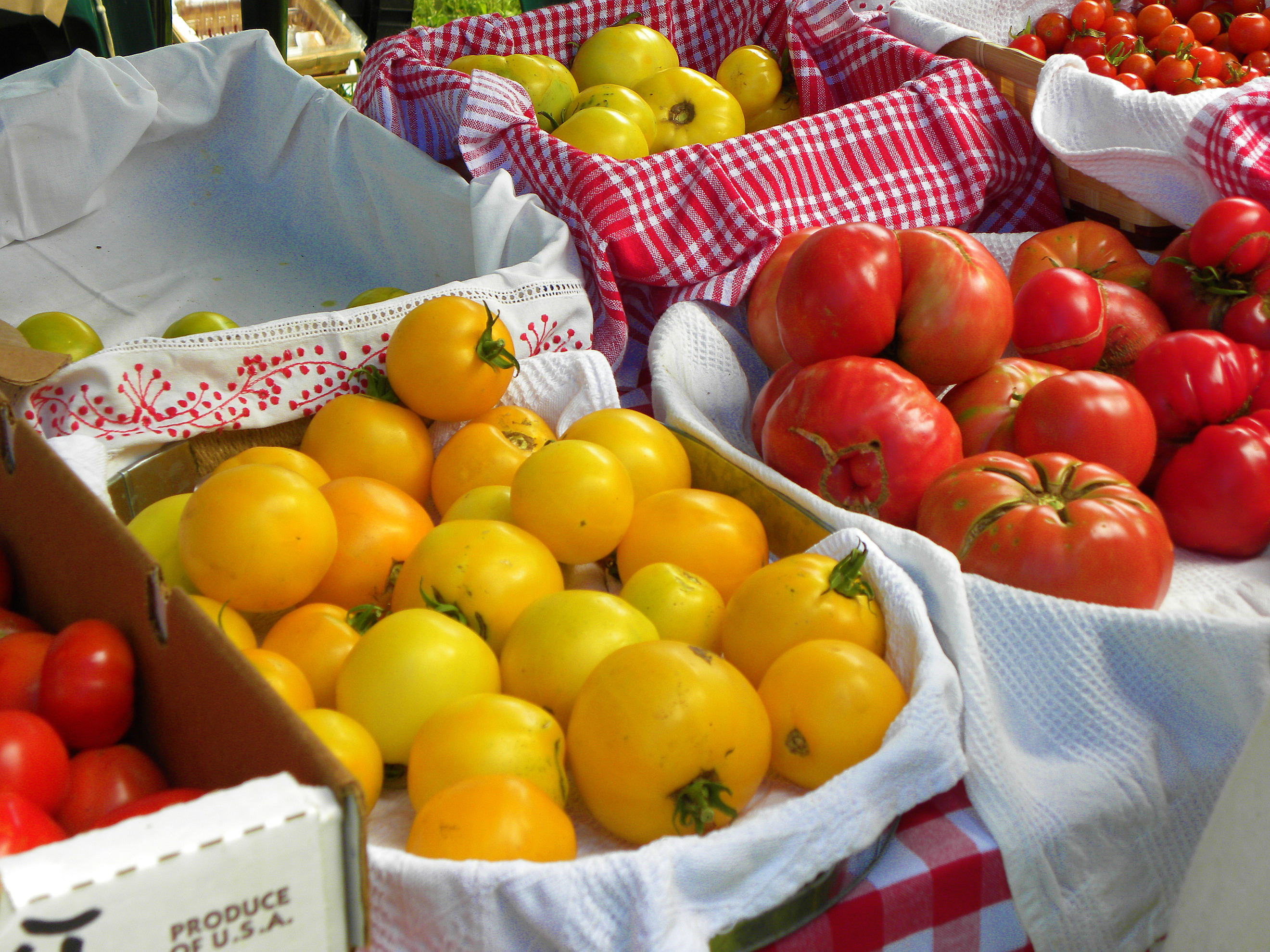
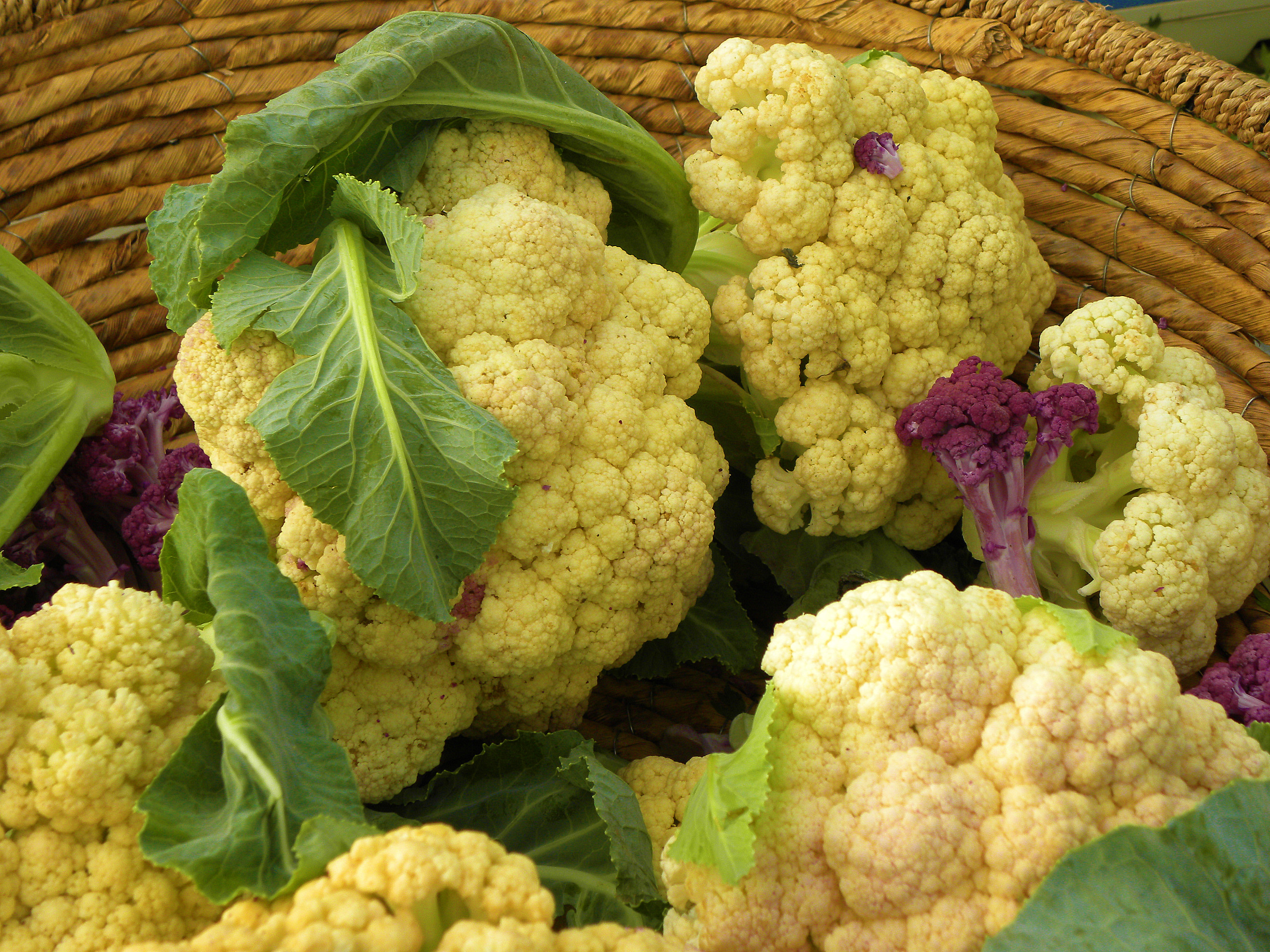
The downtown Albuquerque grower’s market each Saturday morning between June and October is one of the many reasons I LOVE summer.

Funny sign.

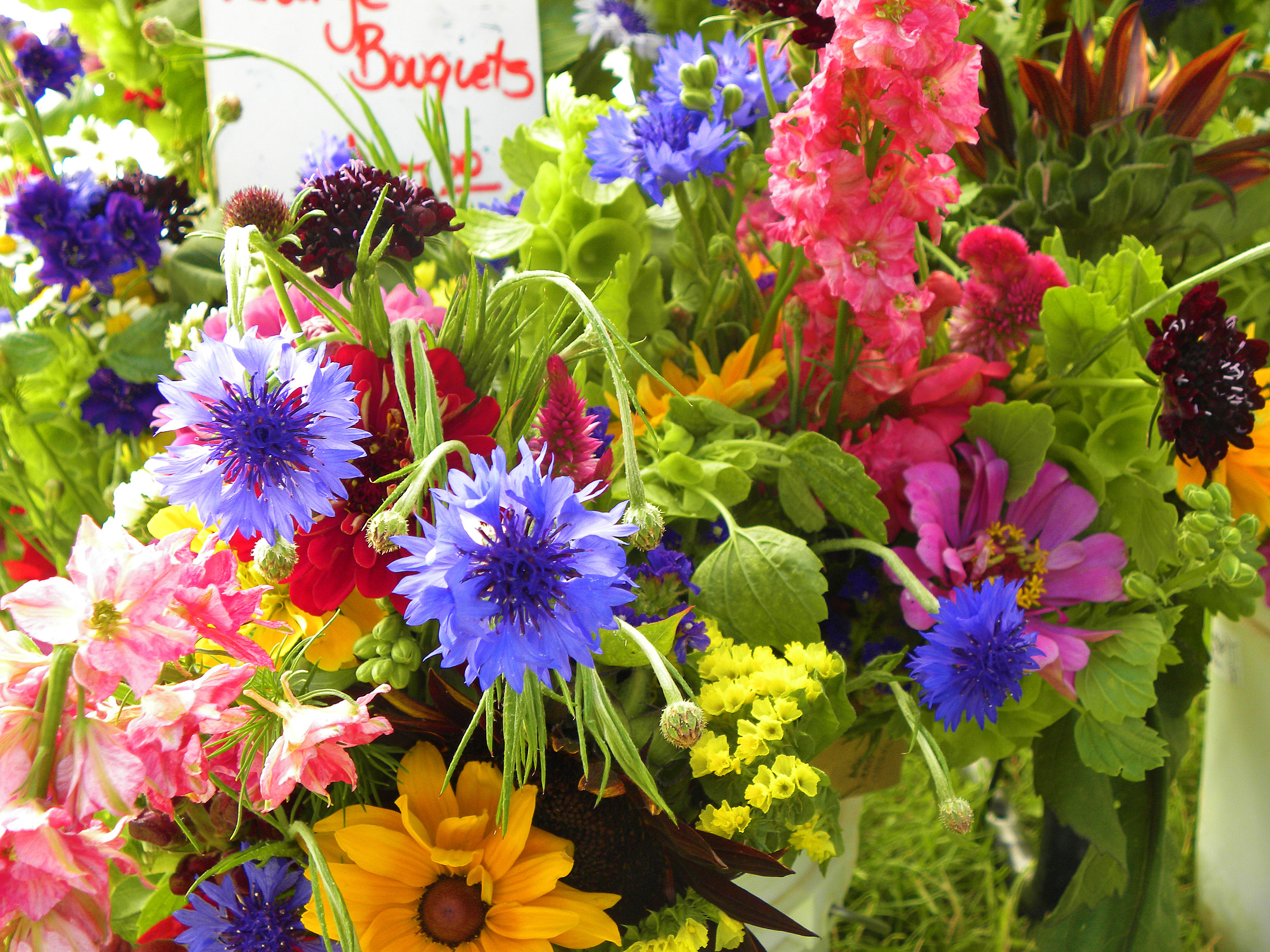
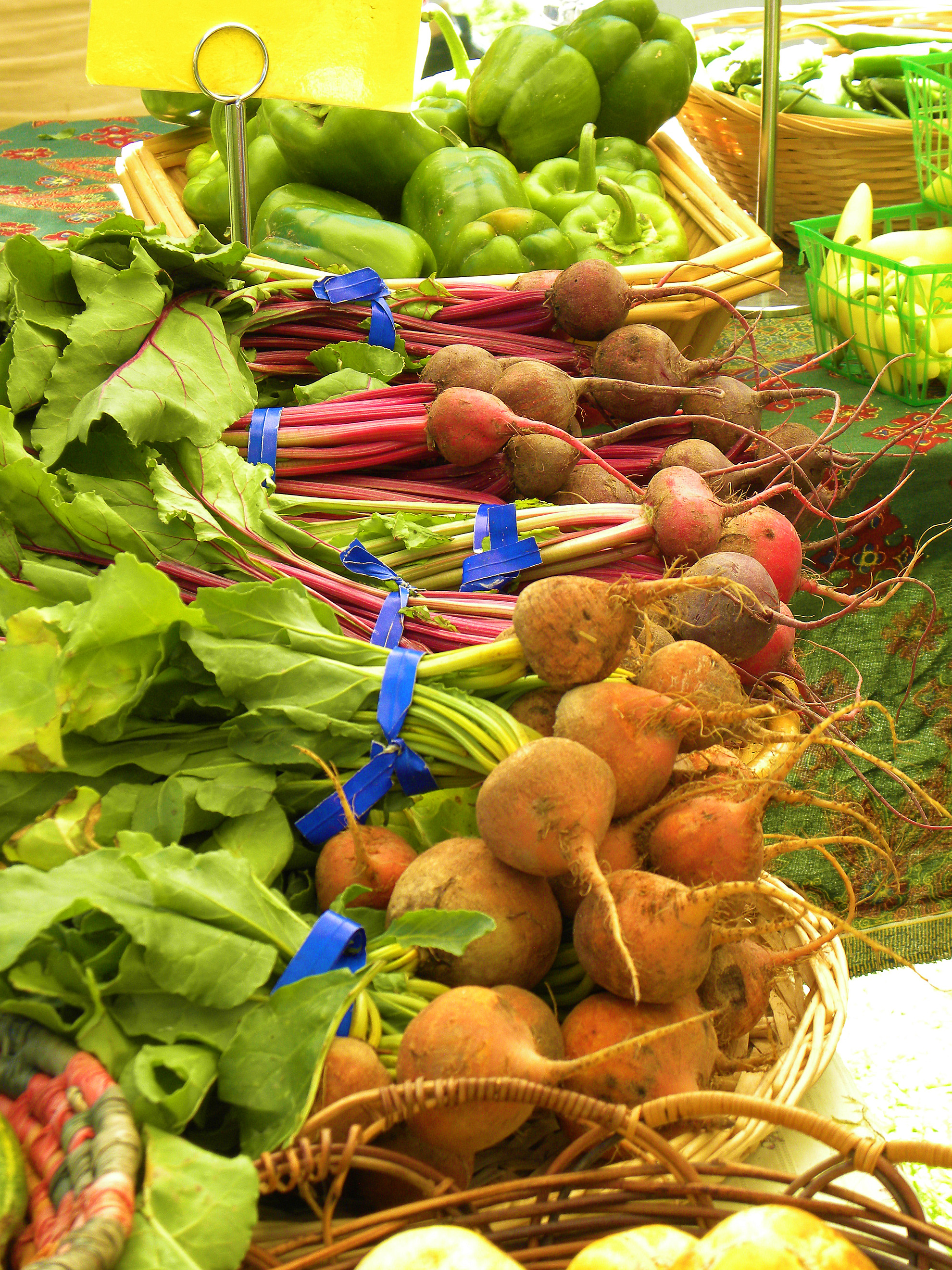
Everything is so beautiful…

So colorful…

And so fresh and alive.

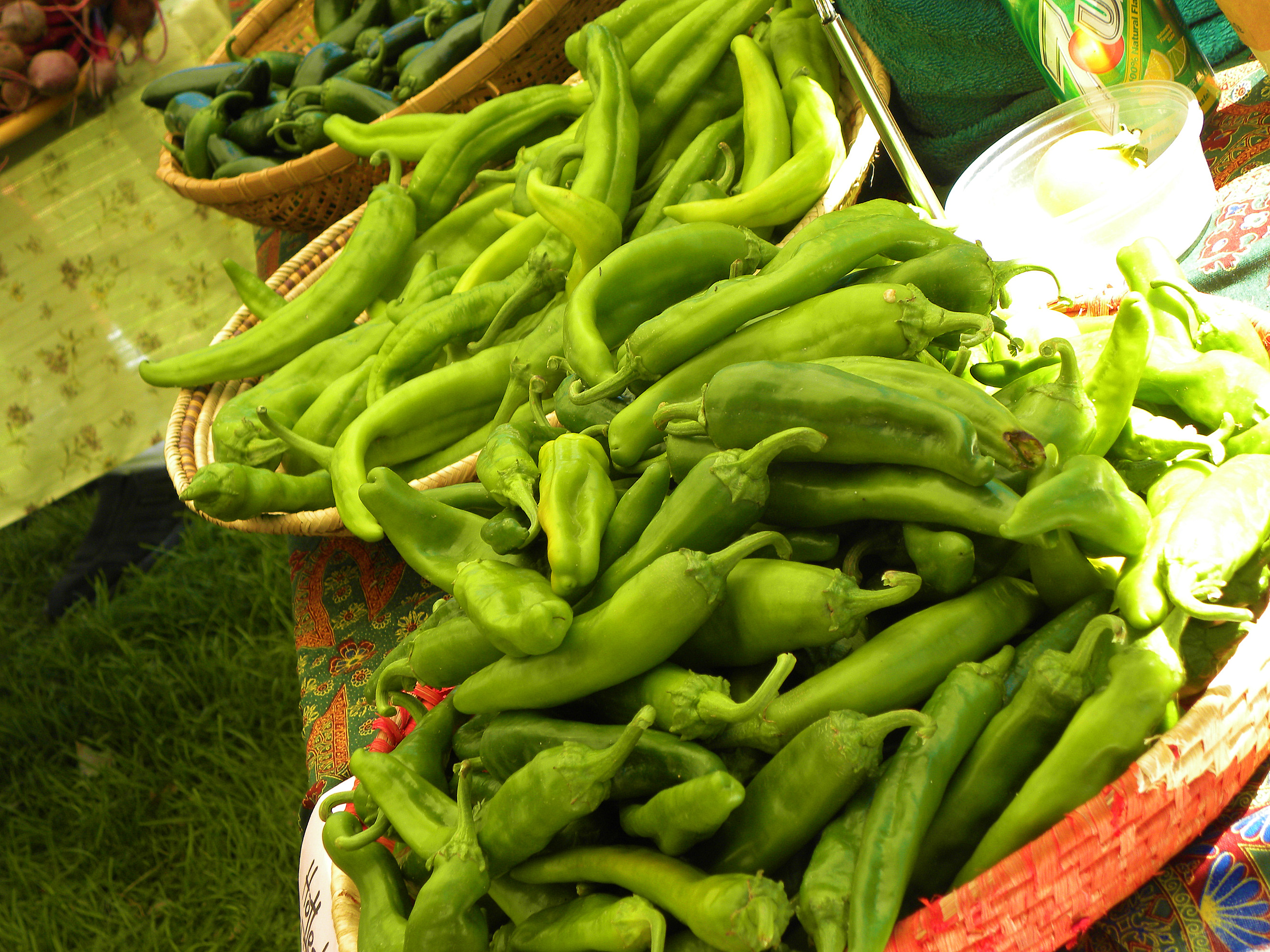
Hello, green chile… It’s so good to see you again. ♥

Perhaps Vicki in Michigan can help identify this one. For the life of me, I can’t remember its name.

Mexican hat

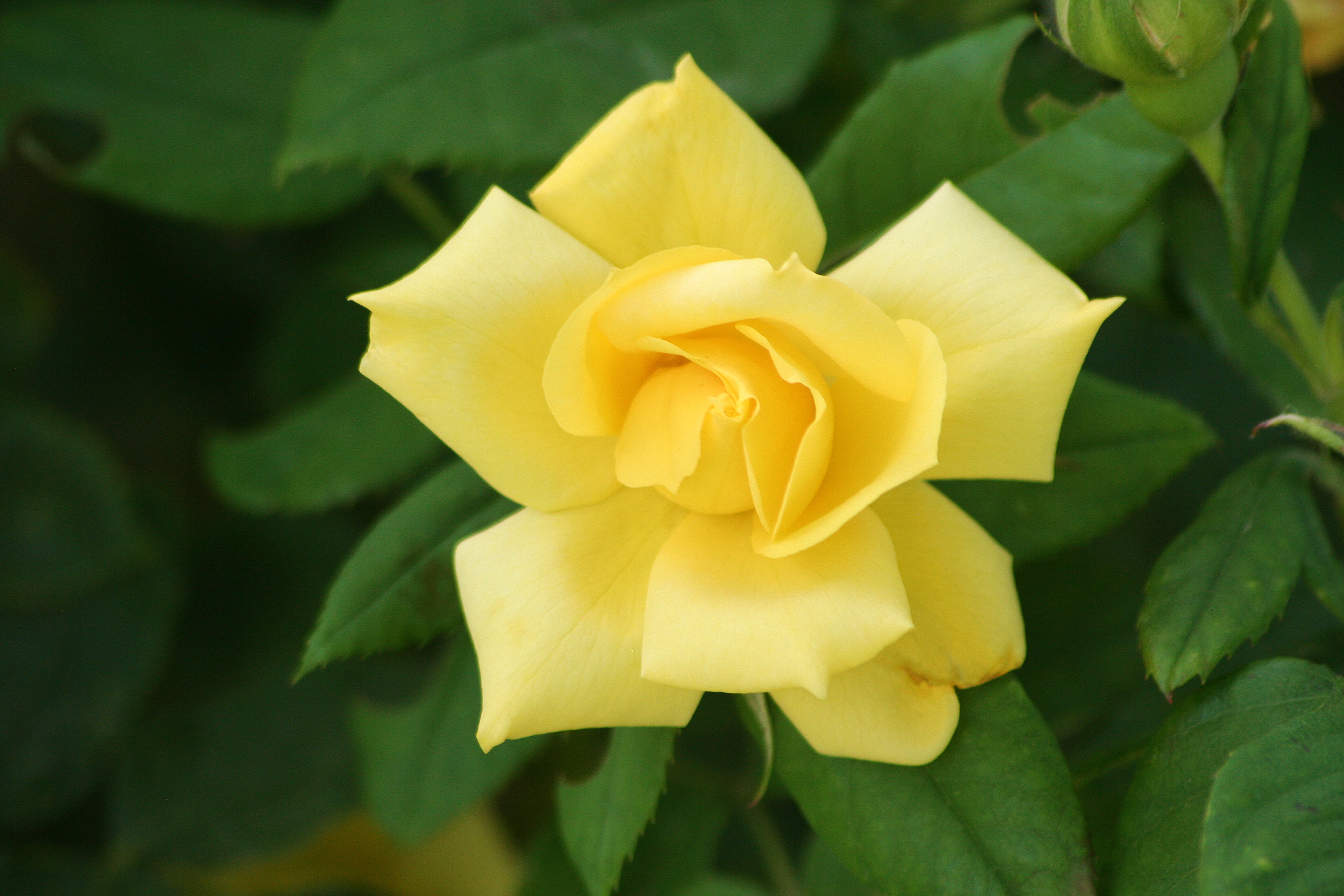
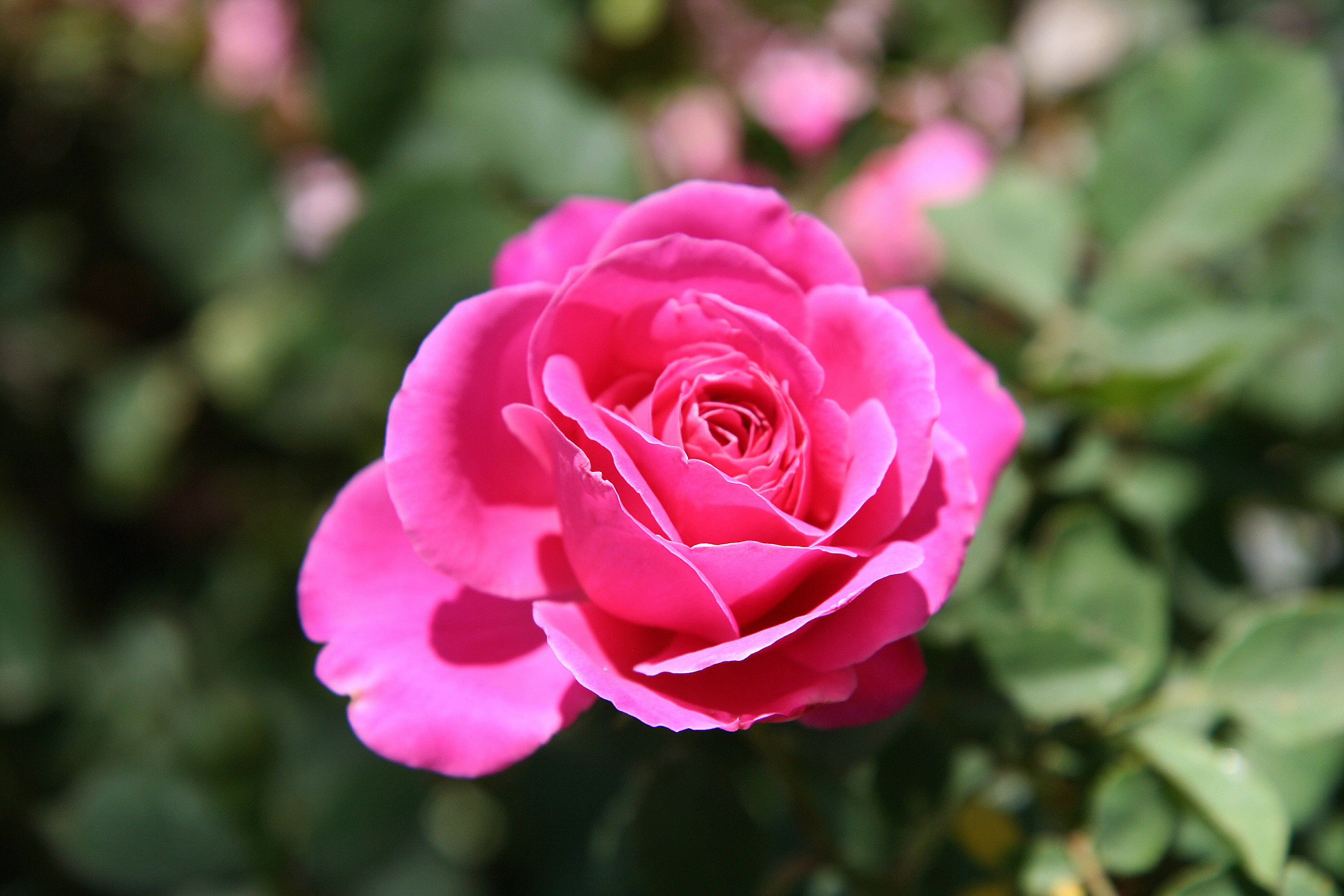
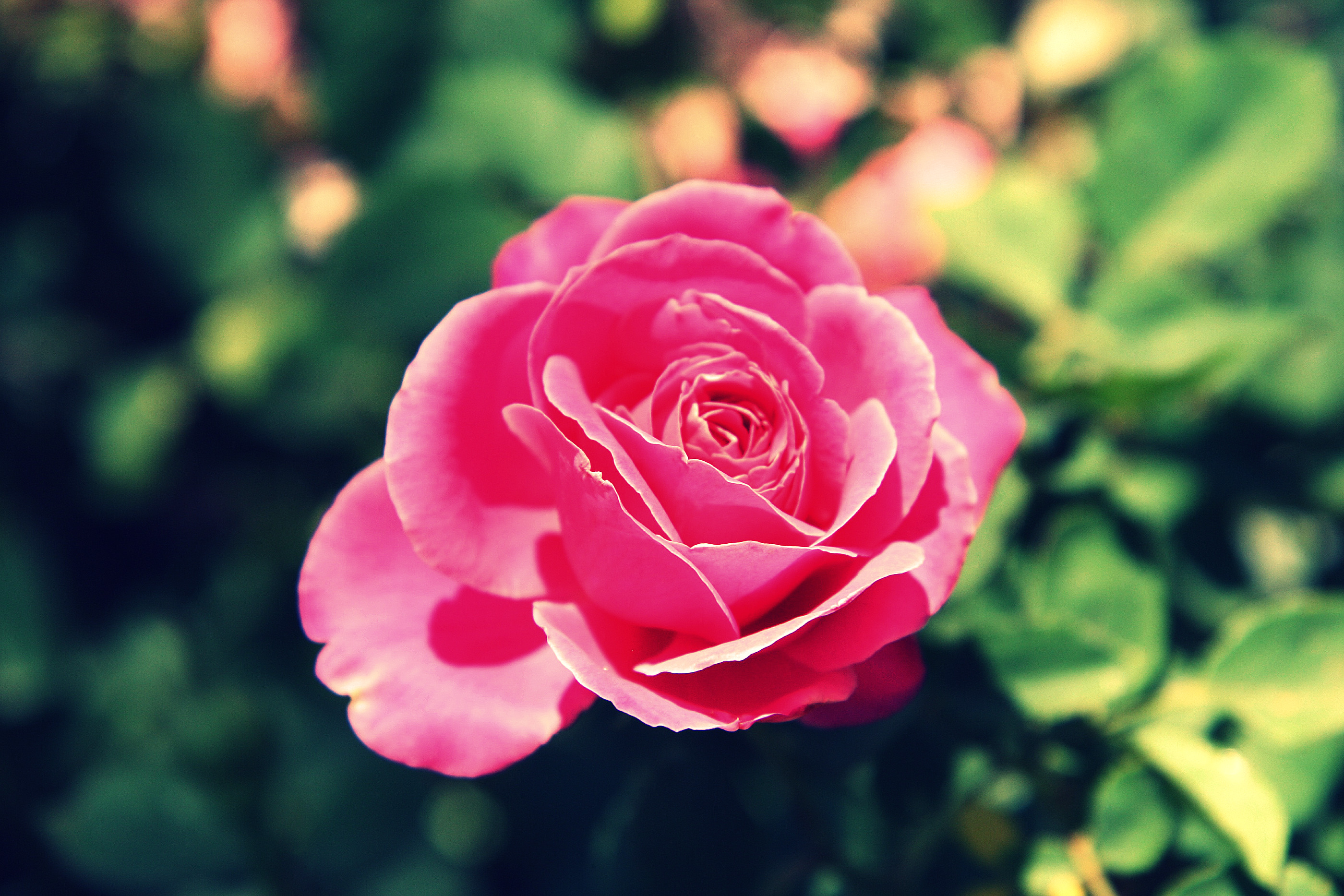
Rose

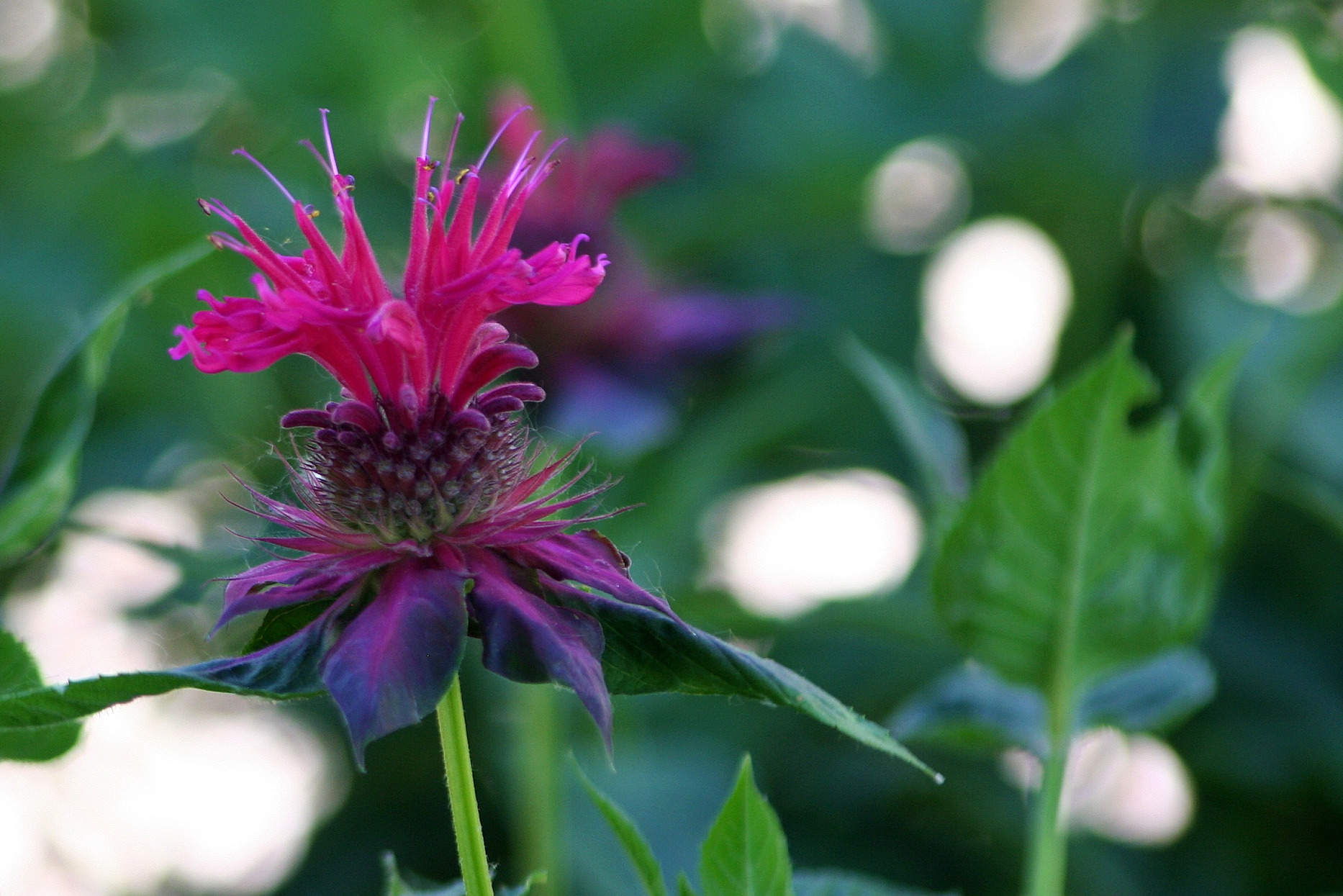
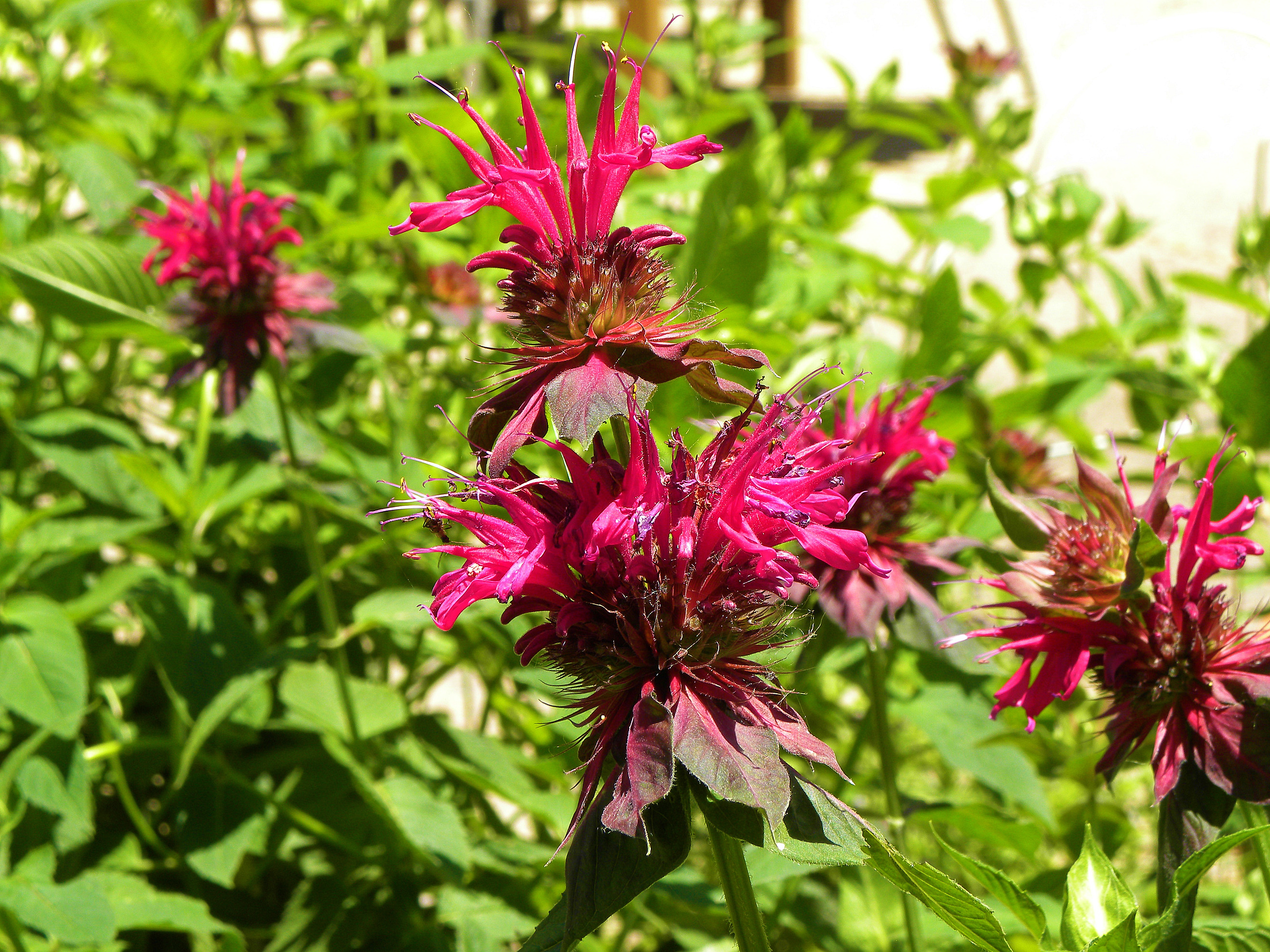
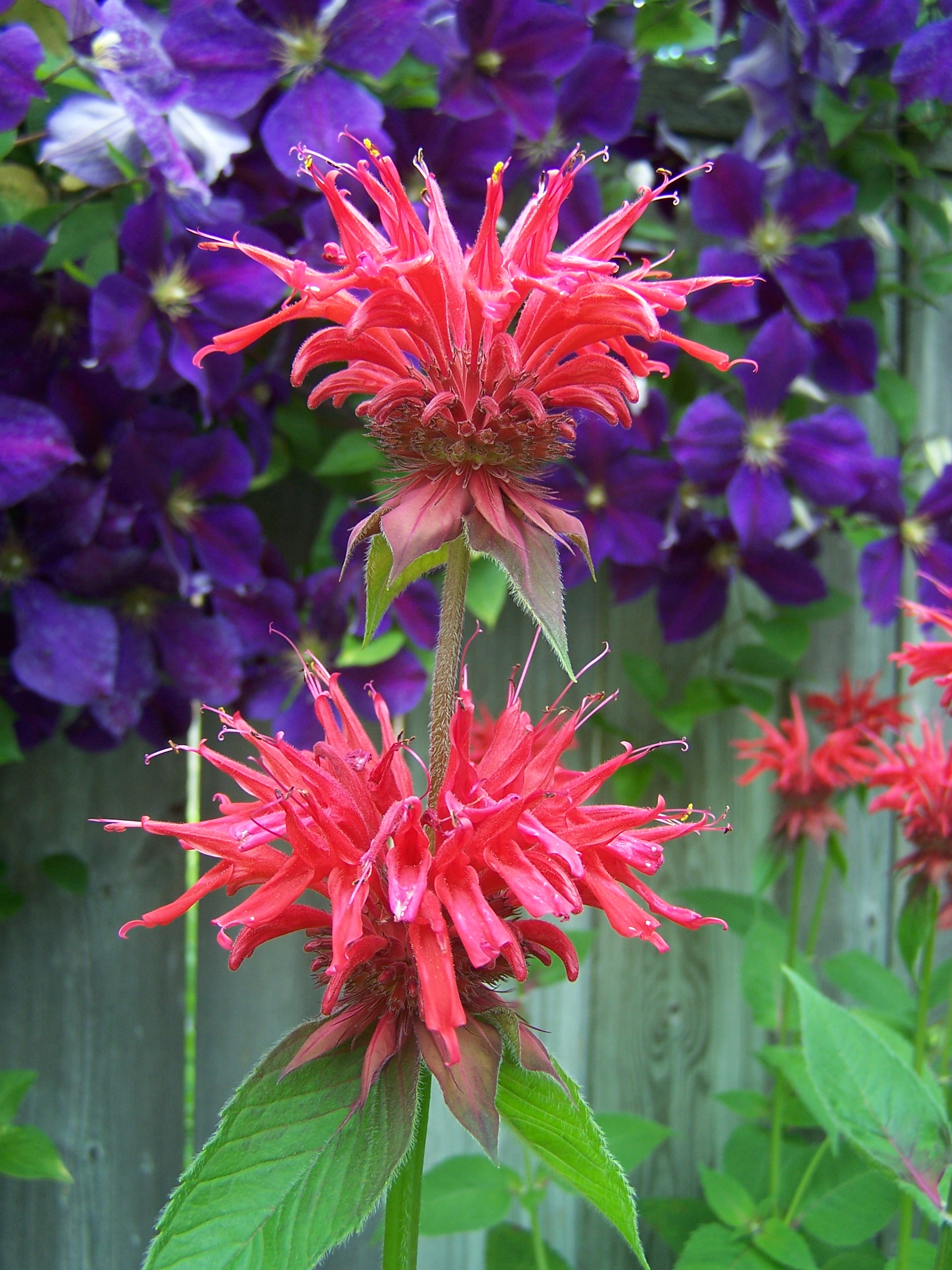
Bee balm and clematis

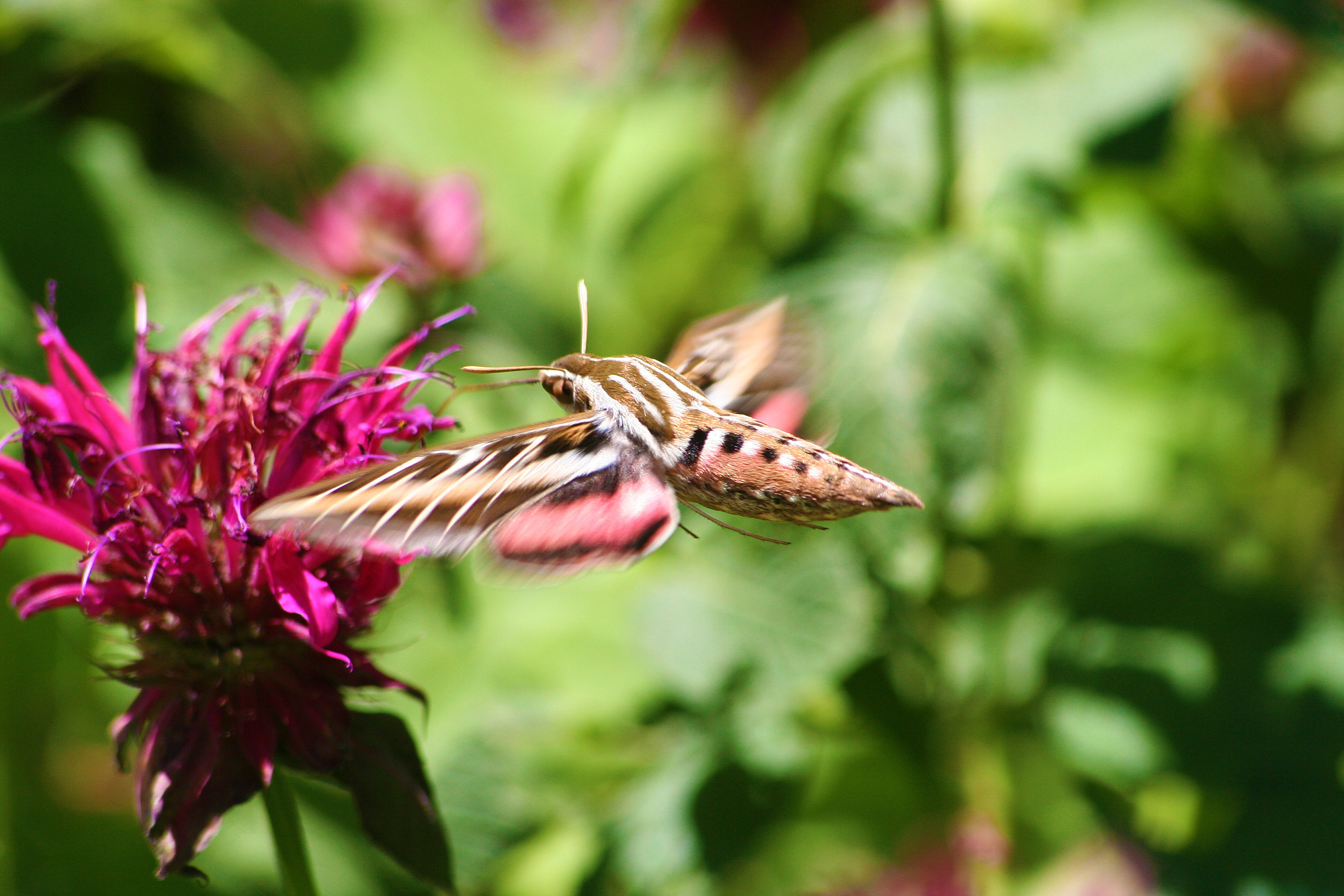
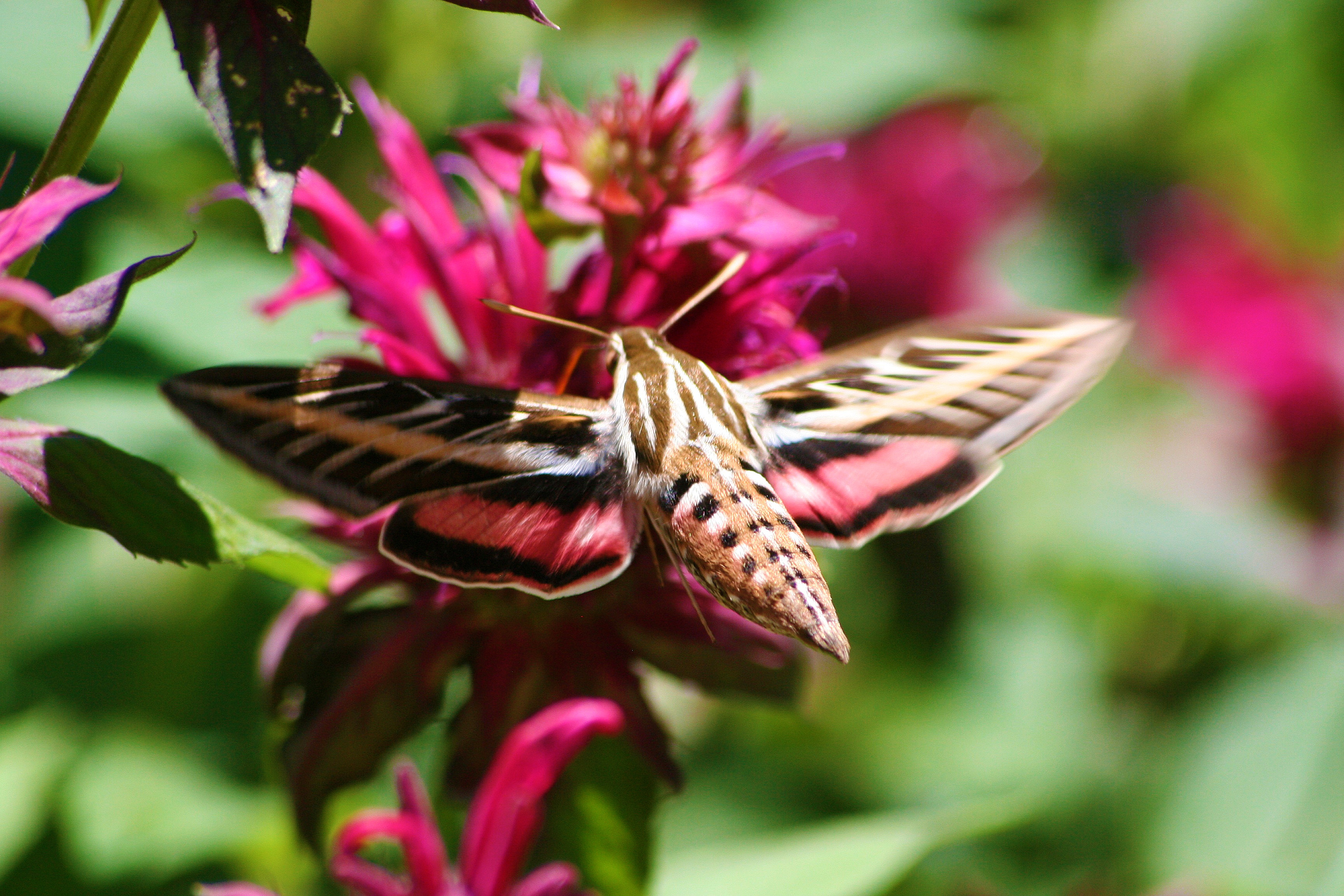
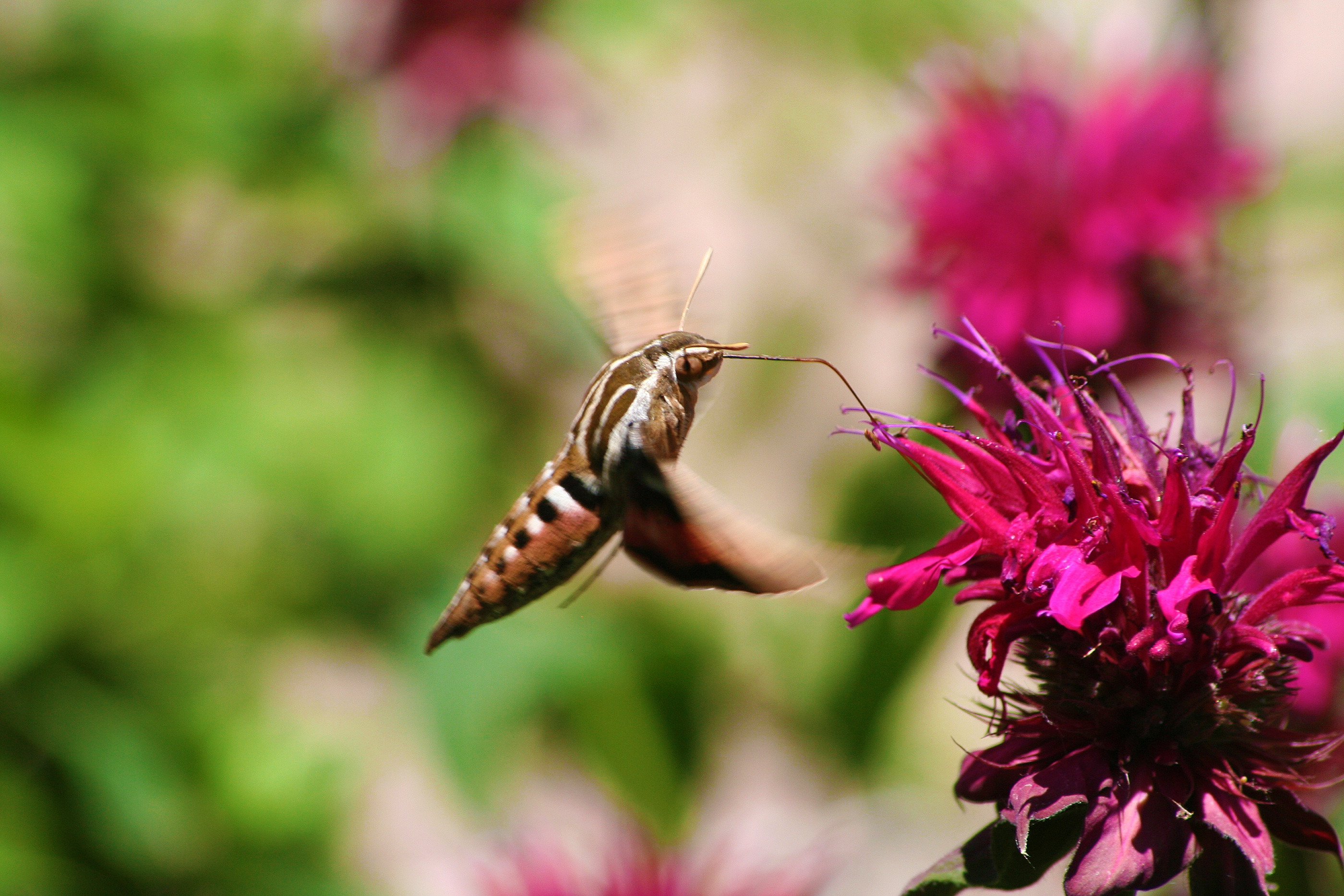
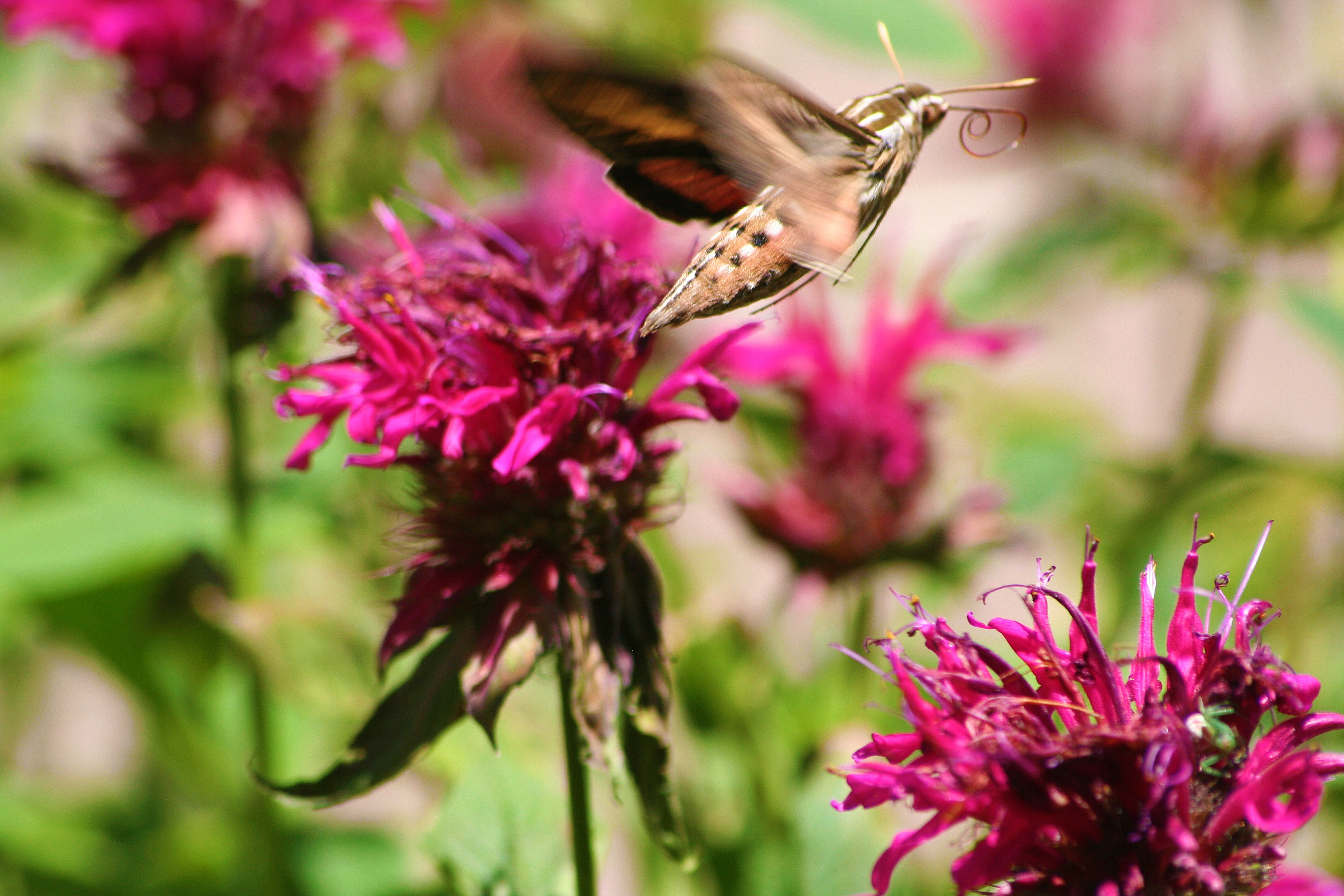
What’s with all the moths lately? We found a white-lined sphinx hummingbird moth enjoying the bee balm in our garden yesterday.

I think they’re gorgeous.

See the curled proboscis in this picture?

From butterfliesandmoths.org:

Caterpillar hosts: A great diversity of plants including willow weed (Epilobium), four o’clock (Mirabilis), apple (Malus), evening primrose (Oenothera), elm (Ulmus), grape (Vitis), tomato (Lycopersicon), purslane (Portulaca), and Fuschia.

Adult food: Nectar from a variety of flowers including columbines, larkspurs, petunia, honeysuckle, moonvine, bouncing bet, lilac, clovers, thistles, and Jimpson weed.

Habitat: A wide variety of open habitats including deserts, suburbs, and gardens.

Range: Central America north through Mexico and the West Indies to most of the United States and southern Canada. Also occurs in Eurasia and Africa.

Management needs: Occasional outbreaks of caterpillars have damaged tomatoes, grapes, and garden crops in Utah. (And at Morning Bray Farm.)

For gazelle: Our double-decker bee balm flower below. Interesting how the first photo (above), taken in soft early morning light, shows the true color of our bee balm. This second photo (below), taken in harsh mid-day light, shows a much redder flower. 

And how cool is this? The photo below is of gazelle’s double-decker bee balm. Thank you, gazelle! I can’t wait to look through the rest of your pictures.  And look at her beautiful clematis in the background! The red and the purple are stunning together, aren’t they?

It’s an exciting day at Morning Bray Farm. In just a few short hours, we’ll be sitting on our back patio with Carson enjoying Maryland blue crabs that have come straight out of the Chesapeake Bay.  To mark the occasion, we share with you the Merlin Dialect.  
If you’ve grown up or lived in Maryland for any part of your life, you’ll find this hits rather close to home.

The Merlin (Maryland) Dialect is spoken by a mixed population which inhabits a triangular area on the western littoral of the Chesapeake Bay, bounded roughly by a line commencing at Towson’s Toyota, then westward to the Frederick Mall, thence following the western border of the cable TV franchise and the string of McDonald’s along Route 50 to the Bay.

All of these lands and the natives thereof are known as the Land of Merlin.

They divide it further into semi-tribal areas called Cannies “COUNTIES”  

(e.g.,Ballmer Canny, PeeJee Canny, Hard Canny, etc.).  

 The dialect area is centered on a market center called Glimburny, where the people come on weekends to trade their goods.

Because of the numerous words and phrases common to both the Merlin Dialect and  modern English, linguists have long postulated that there is some kinship between the two. Speakers of Merlin Dialect are all able to understand standard English from babyhood, chiefly because of their voracious appetite for television. However, they invariably refuse to speak standard  English, even with outsiders who obviously are not understanding a word they say.

LESSON 1 – VOCABULARY

Ballmer – Our city

Merlin – Our State

Arn – What you do to wrinkled clothes

Bulled Egg – An egg cooked in water

Jeet – How we say “Did you eat”?

Chest Peak – A large nearby body of water

Colleyflare – A white vegetable

Downey Owe Shin – Summertime destination “Down to the ocean” (such as Ayshun City)

Faren Gins – Red trucks that put out fires

Hi Hon – How we always say “hello”

Meedjum – The grassy area between lanes of a highway

Nap Lis – State of Merlin capital

Ole Bay – What our crabs taste like

Oreos – Not a cookie, but our baseball team

Payment – That strip of cement that you walk on

PohLeese – Those guys in uniform that git ya when you’re speeding

Share – Hot water that cleans you in the morning

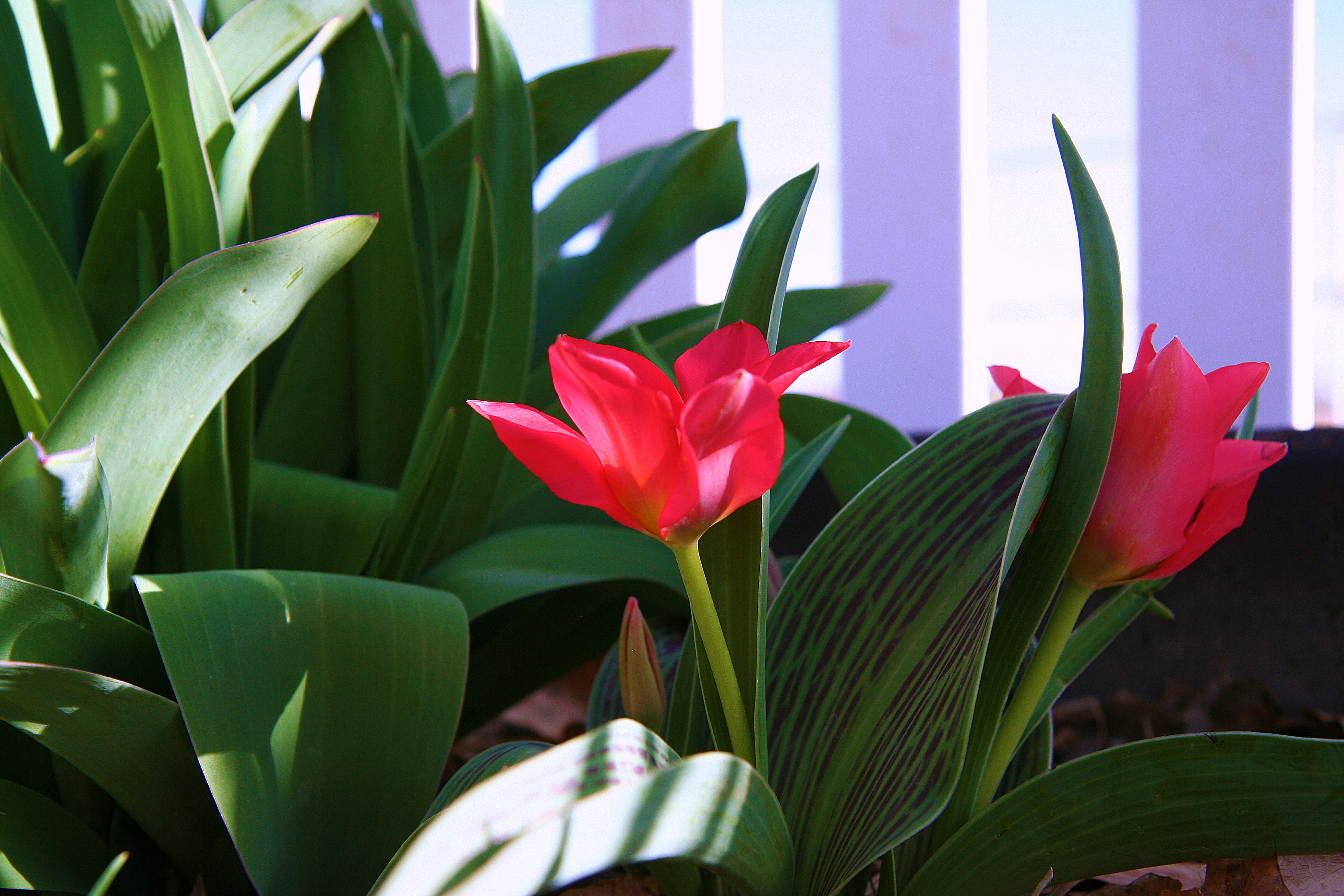
Flares – Such as tulips

Tarred – What happens when you work too hard

Warsh – What we do with dirty clothes

Warter – What we drink (can also be Wooter)

Brawl – Broil

Sem elem – Seven Eleven

Allanic – an ocean

Arnjuice – from the sunshine tree

Arouwn in all directions – norf, souf, ees, and wess

Aspern – what you take for headaches

Bald – some people like their eggs this way

Bawler – what the plumber calls your furnace

Beeno – a famous railroad

Calf Lick – bleevers are Protestant, Jewish, and .

Canny – a state gubmit division, such as Anne Arundel or Prince George’s

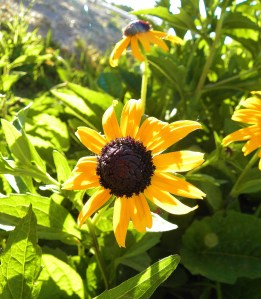
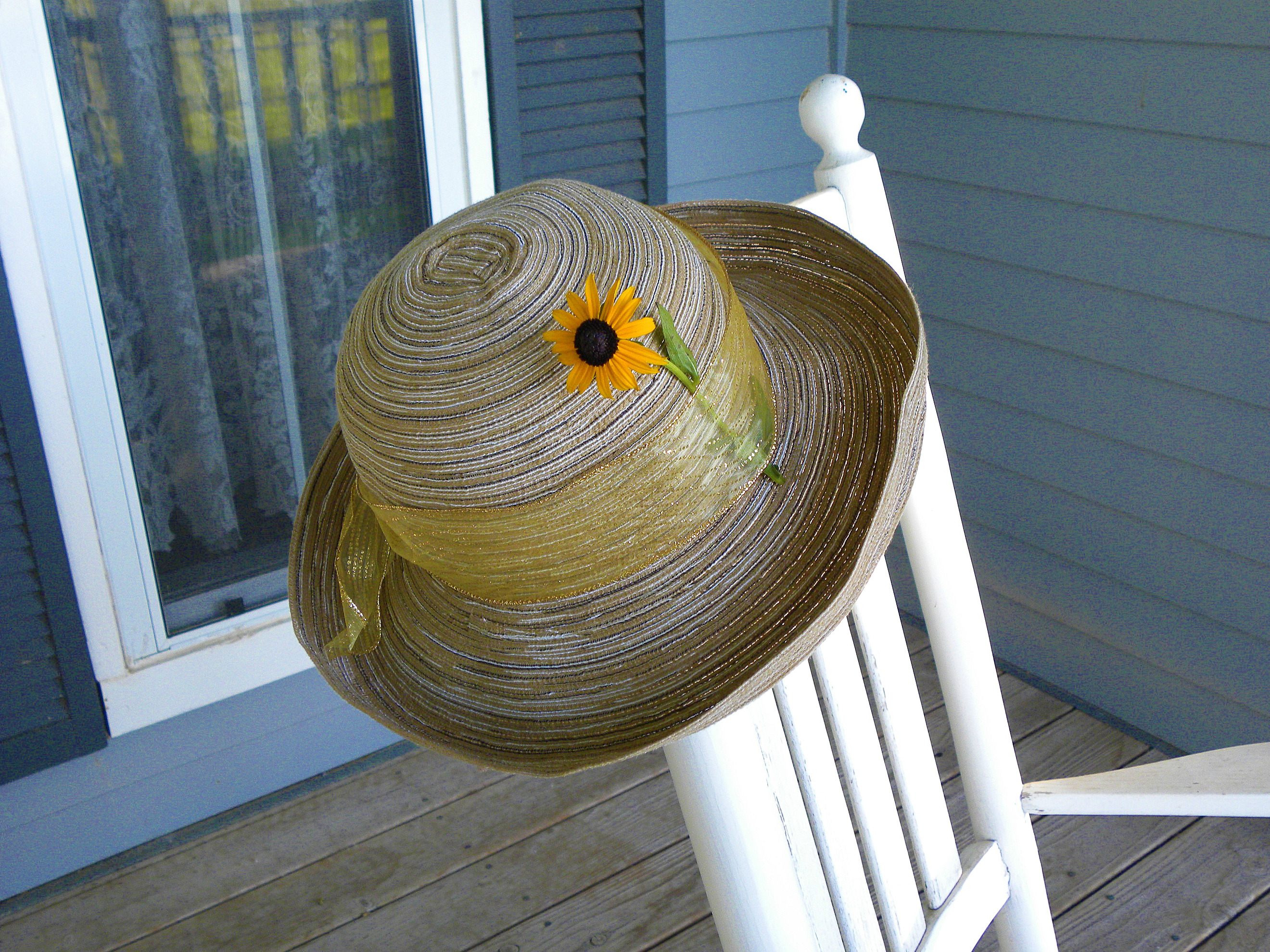
A few of you shared kind comments about my hat in yesterday’s post. A couple of you suggested that my hat needed a flower. Since it’s a Maryland kind of weekend here at Morning Bray, Don went out and picked one of our Black-eyed Susans and slipped it into the brim of my hat with a ribbon.
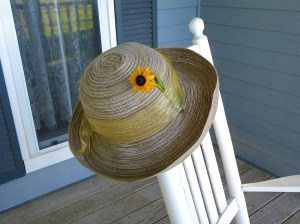
The Black-eyed Susan has been the official Maryland flower since 1918 when it was designated the “Floral Emblem” of Maryland by the General Assembly.

Living in Albuquerque is the first time I’ve ever had roses. I always thought they were too high maintenance. I’m happy to say I’ve been proven wrong.

The unedited photo:

I decided to have fun being artsy yesterday. Versions of the same photo:
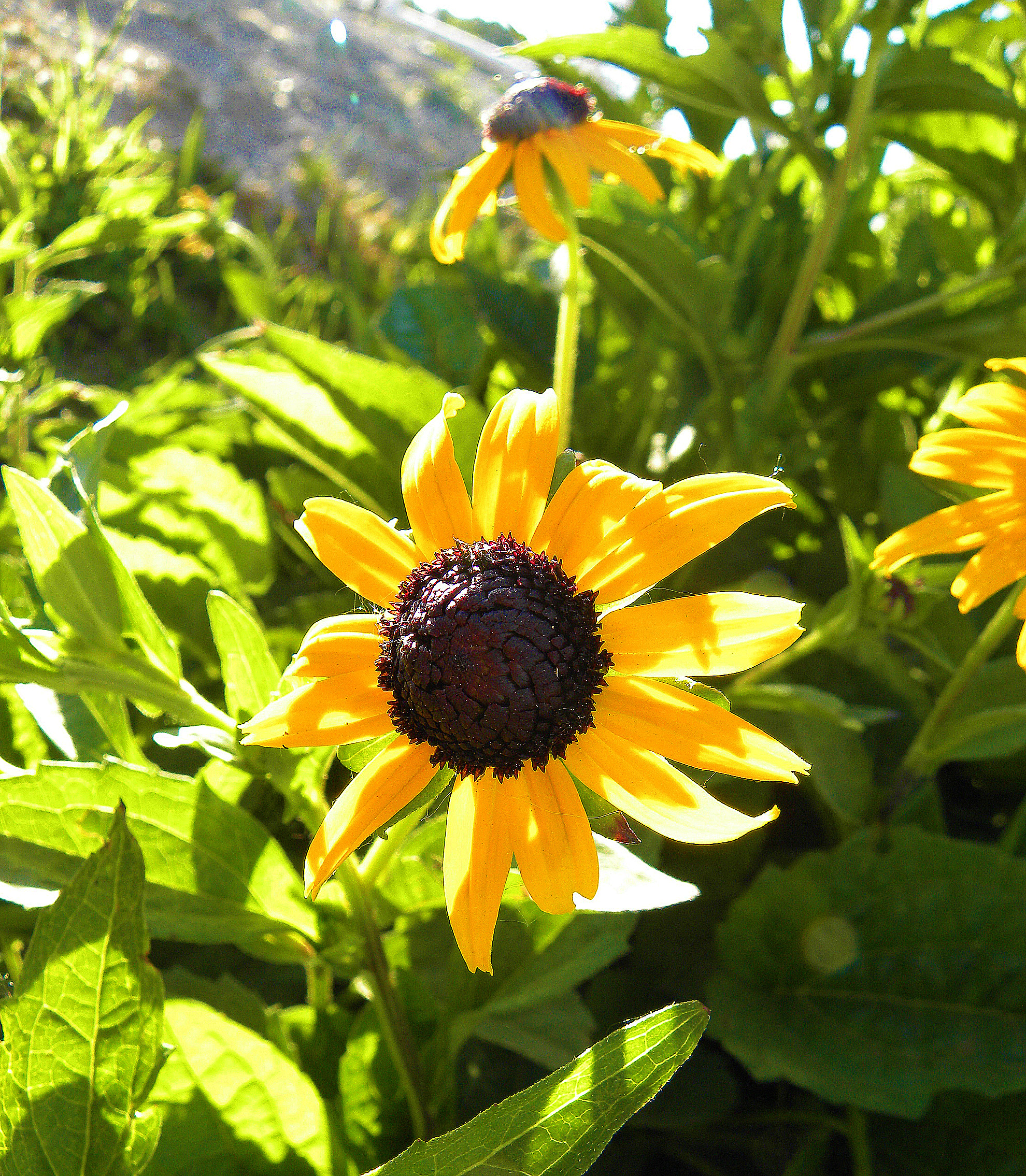
 

I’m from Maryland. I need green. I love flowers.
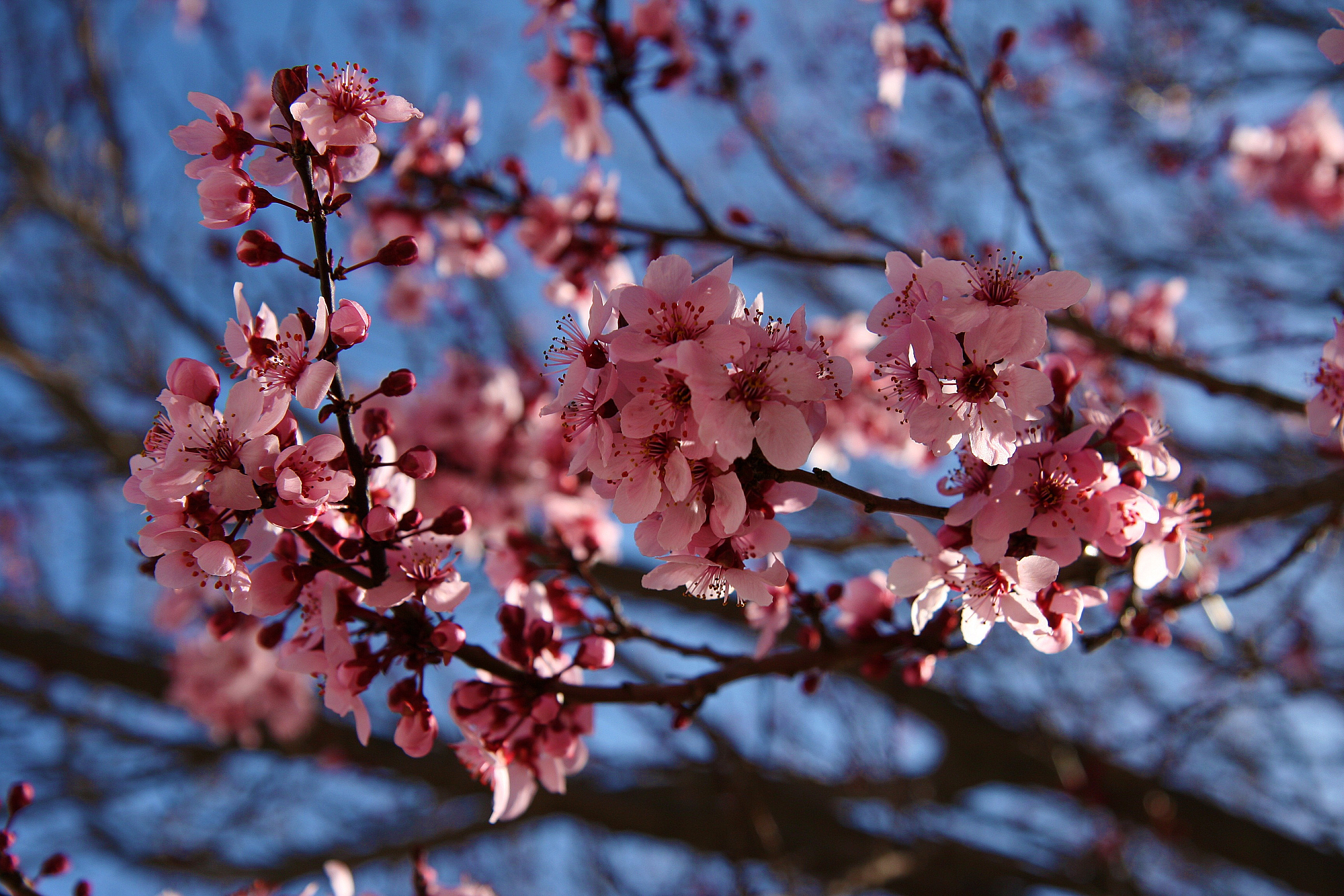
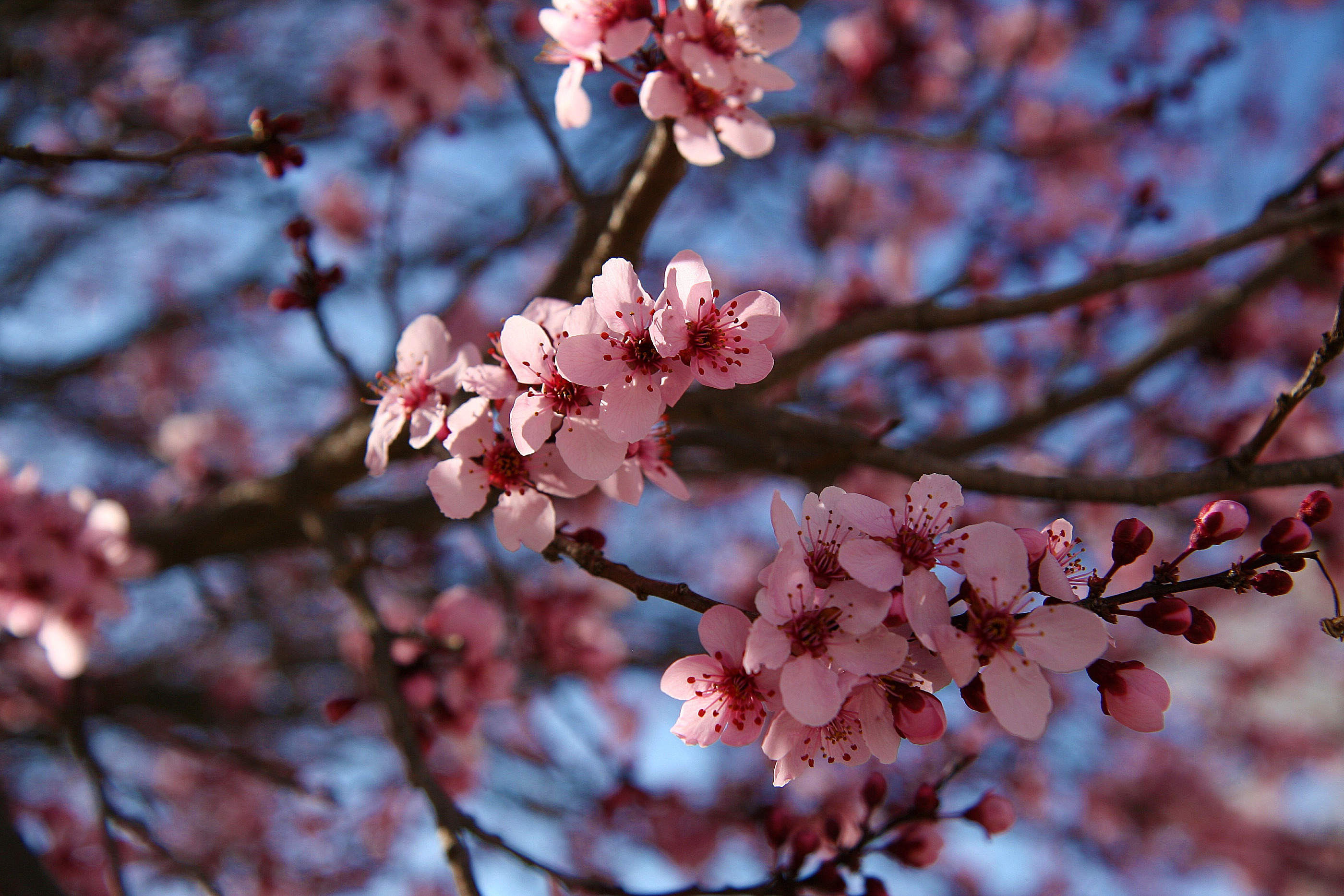
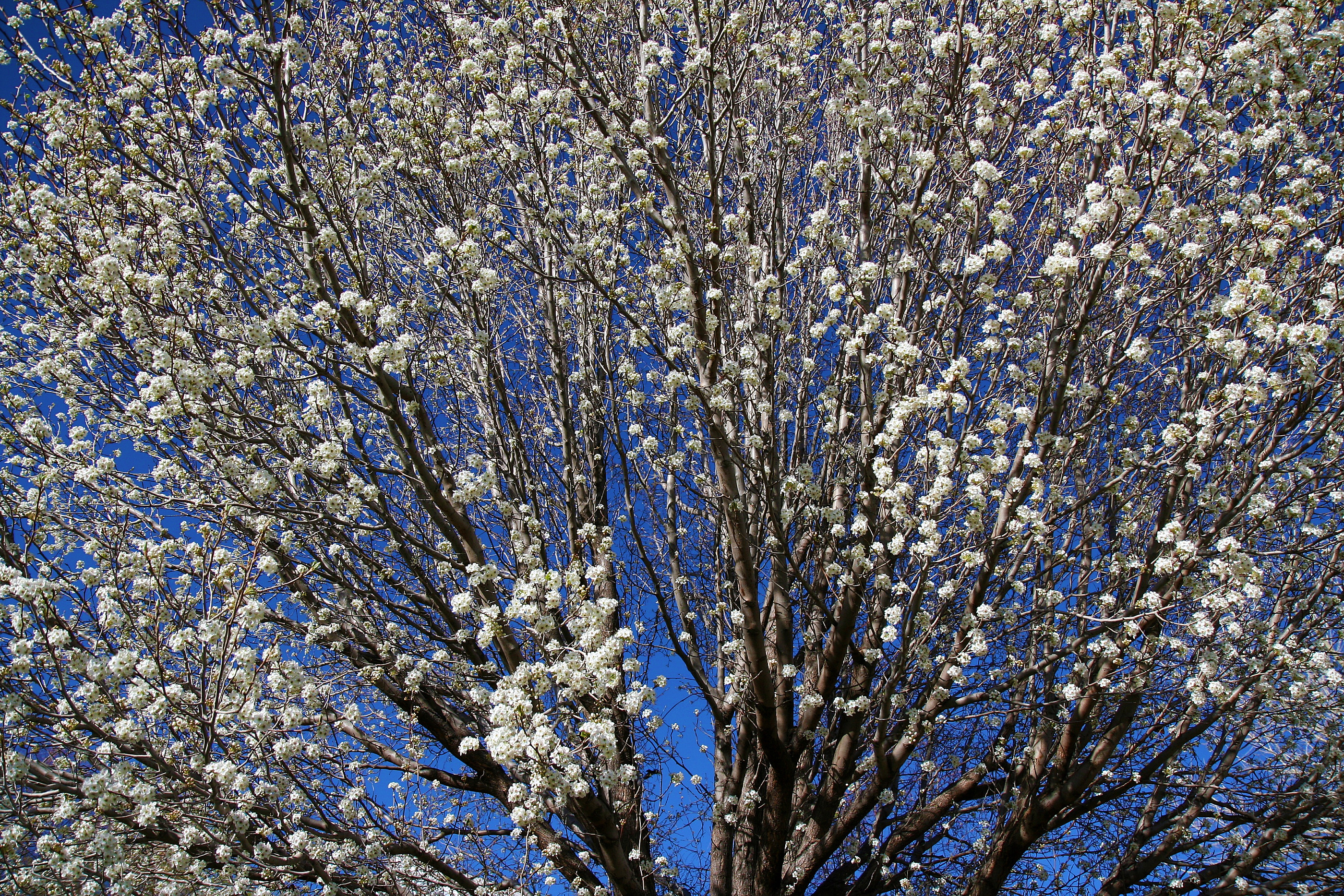
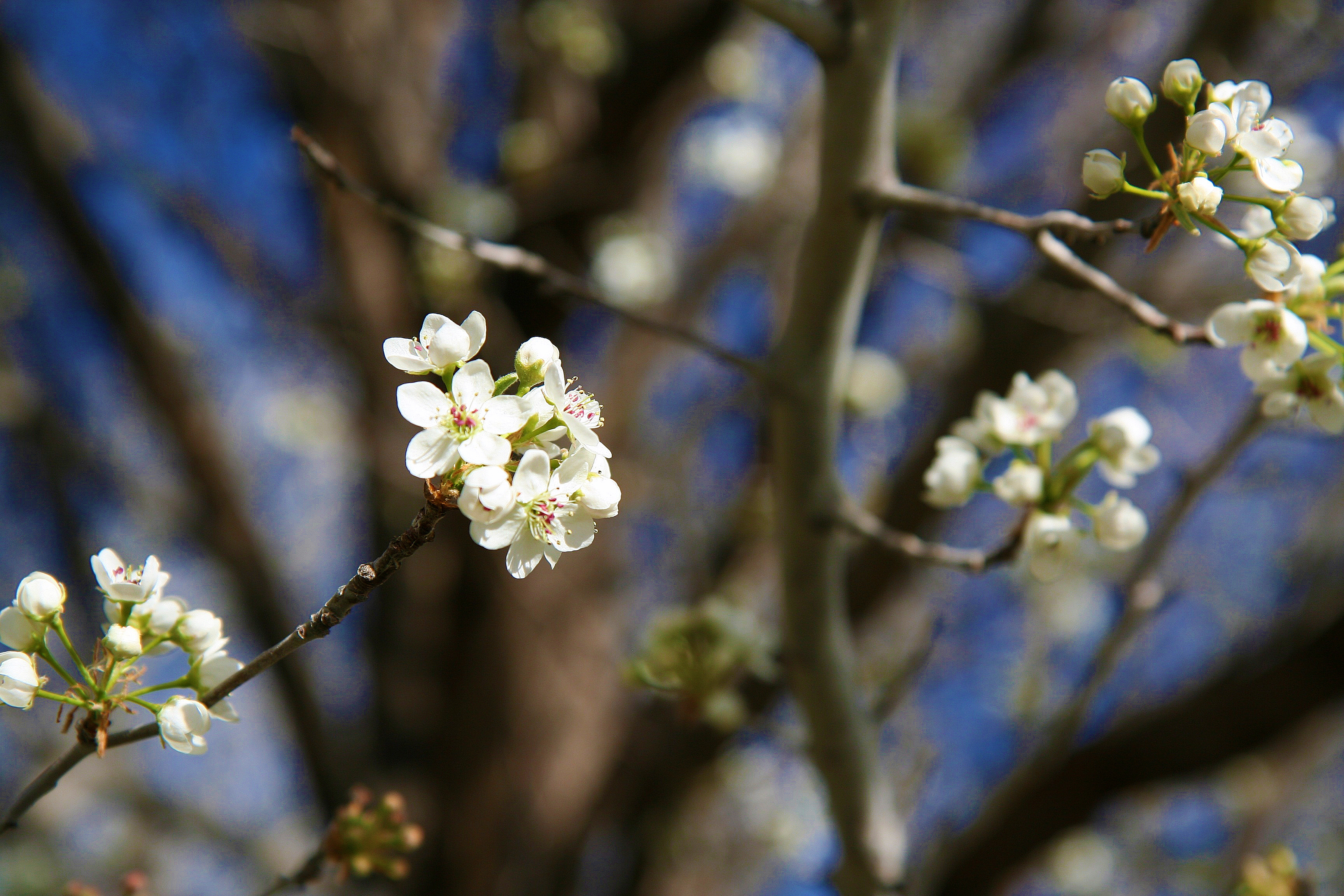
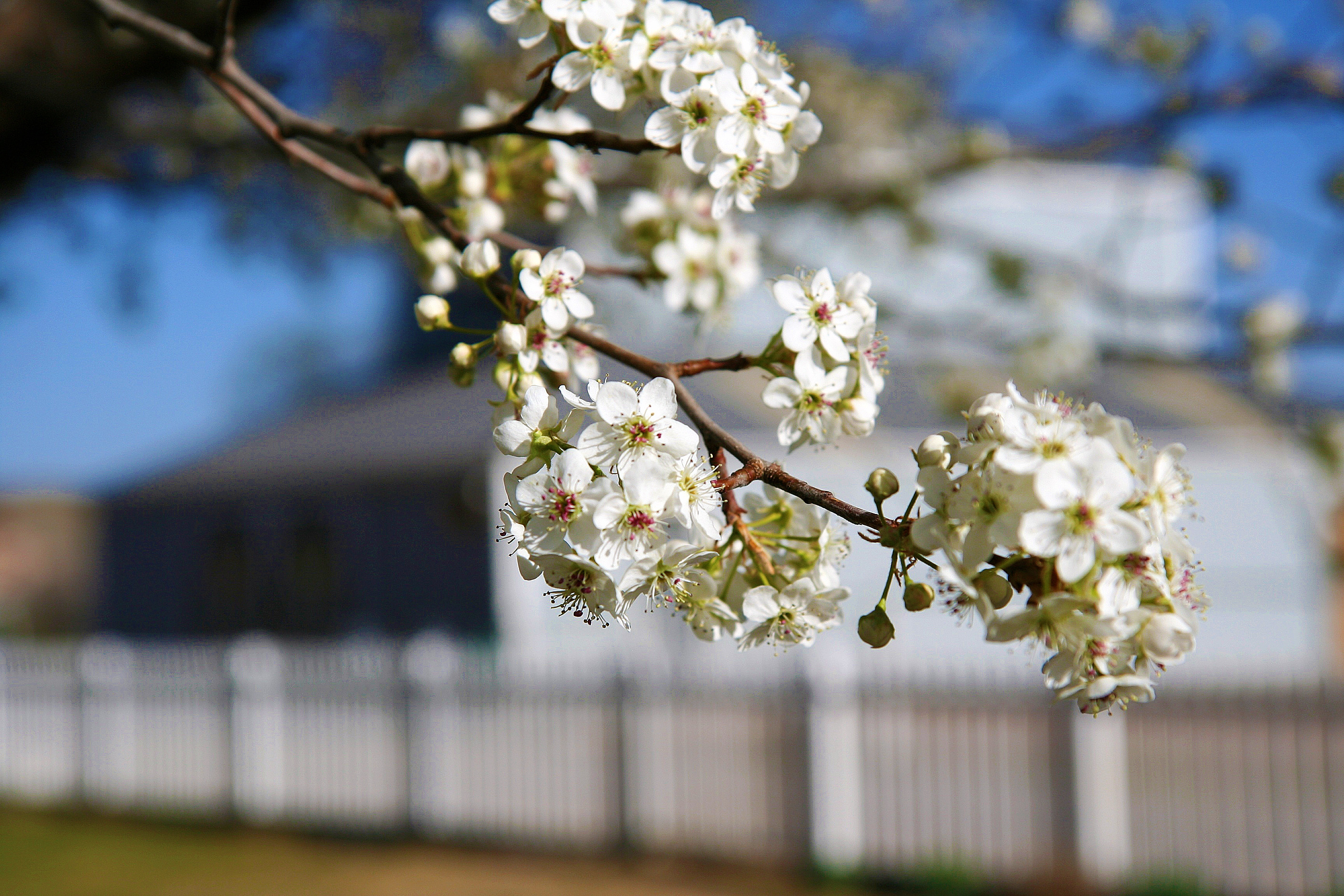
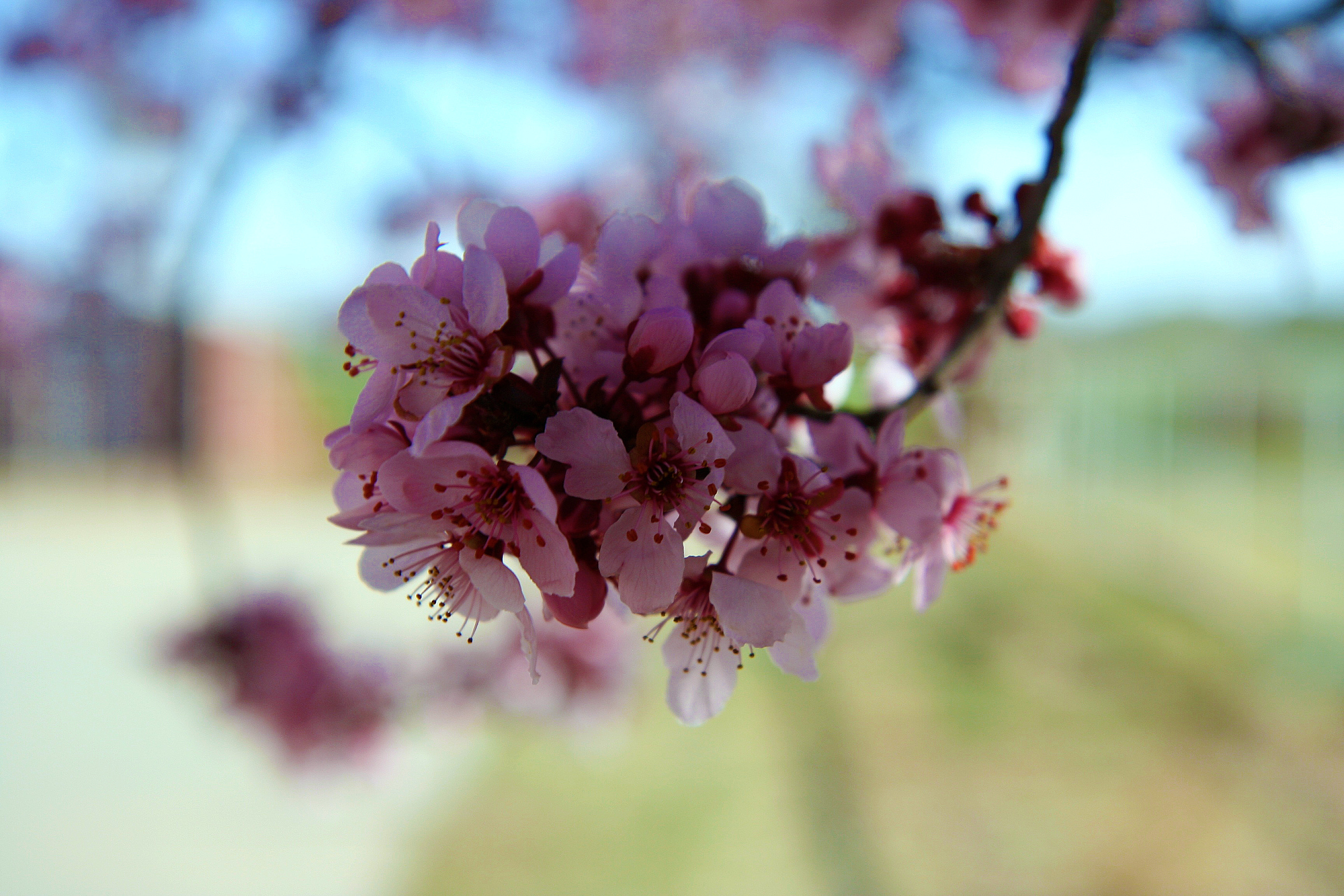
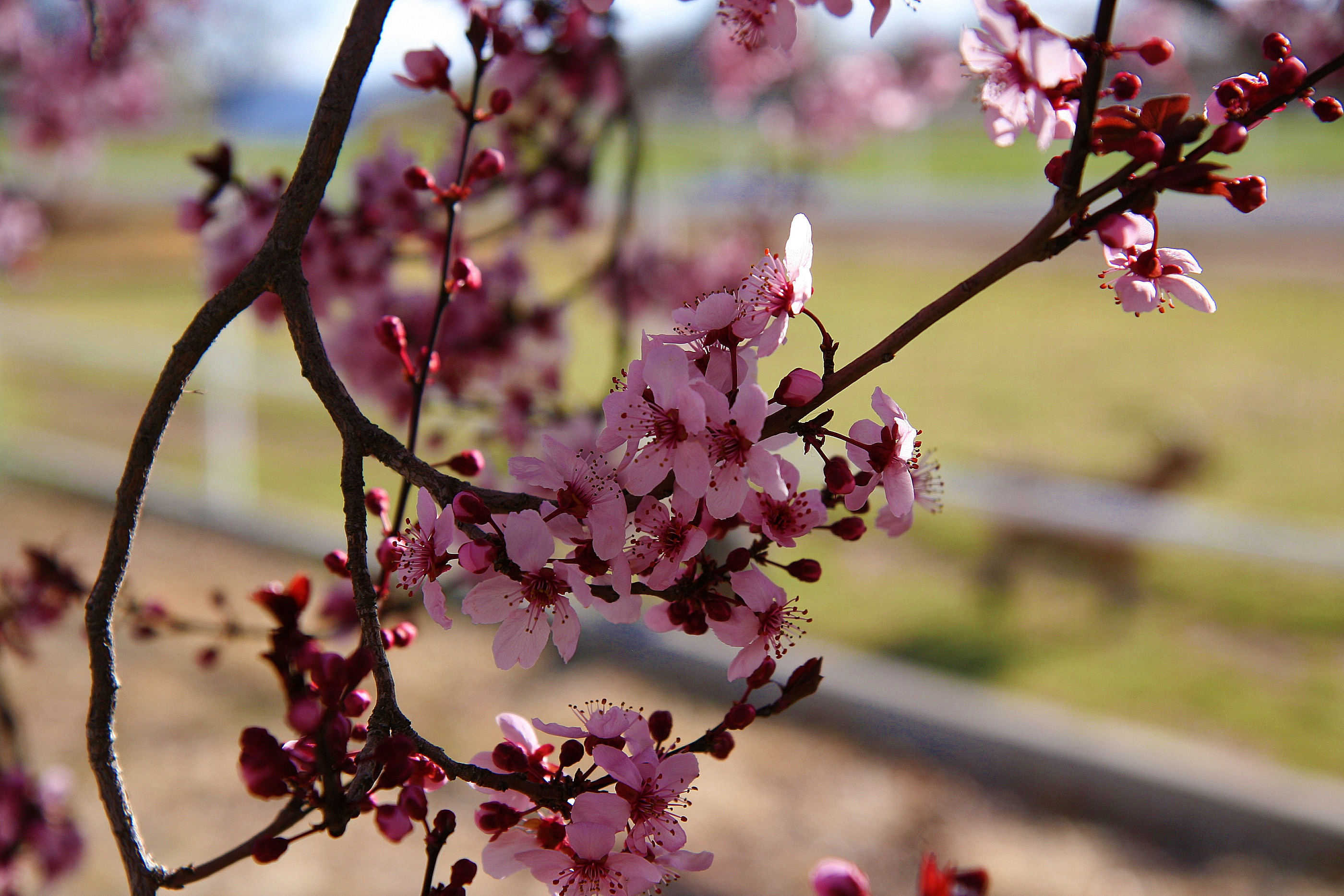
Spring flowers from Morning Bray Farm.

The first weekend in March is generally set aside for cleaning out flower beds and welcoming back our perennials.

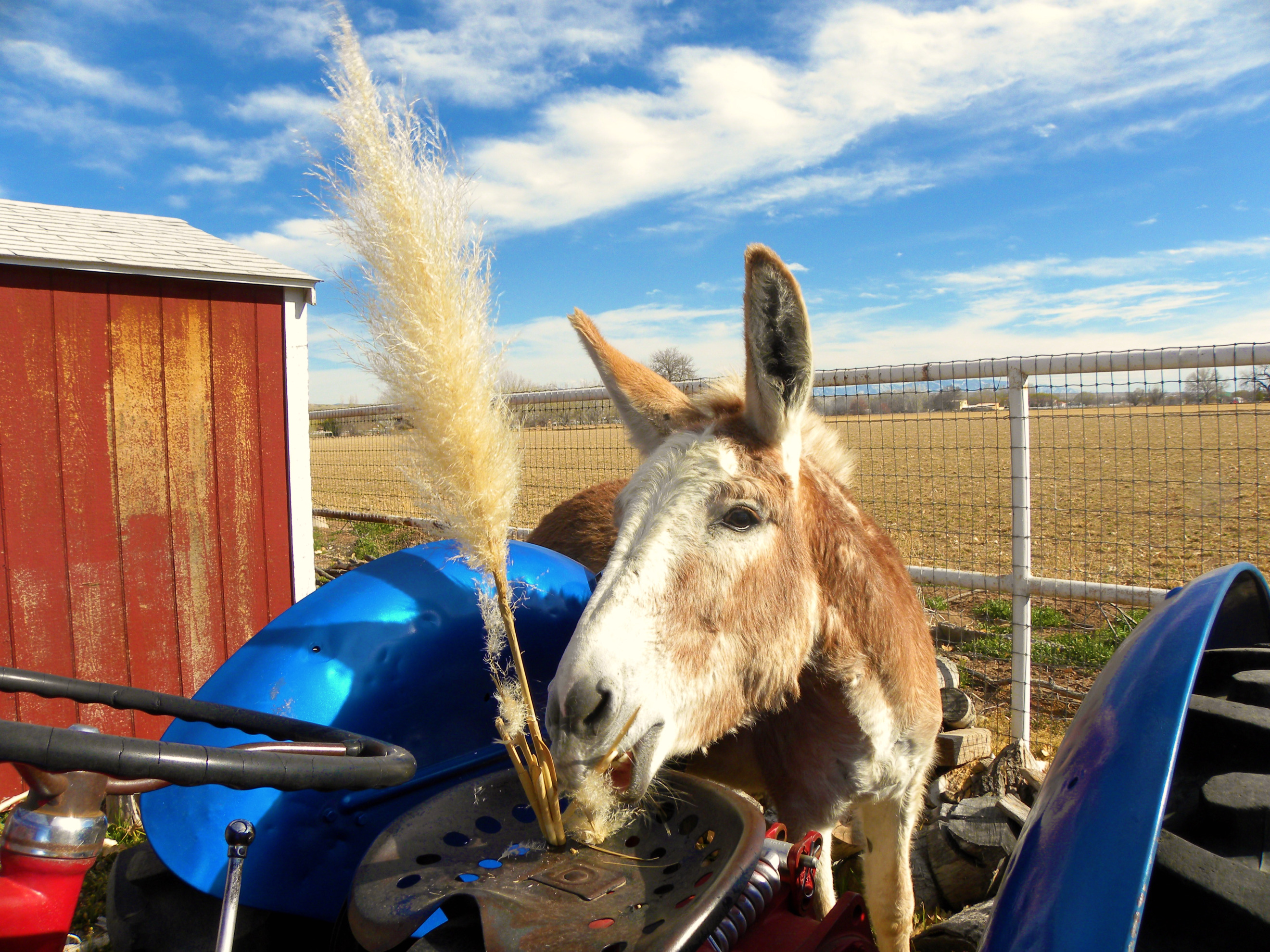
One of the things on our to-do list was cutting back the pampas grass.  The flower spikes are excellent for drying, so I propped them on Don’s tractor while I finished cleaning up.

When I turned back around, Ellsworth had decided there was a better use for the flower spikes. Oh well.  

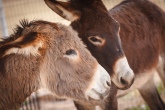
Bernard and Ellsworth happily did their part in our spring cleaning efforts by working on weeds. Great job boys!

Farmgirl, see the yellow hay twine? You inspired me to make a temporary fence for the boys. For those familiar with the layout of our farm, it looks strange to see the boys in that “void” between the corral and the pasture. Carson, not to worry. They’re not out there without supervision. Promise.

We had a fence company out yesterday afternoon to give us an estimate on a pipe fence to connect the pasture and the corral. It will run the same path as the existing yellow twine. I’m really excited about this because it will give the boys the freedom to move between the corral and the pasture as they please.

« Previous Page