August 2010
Monthly Archive
August 31, 2010
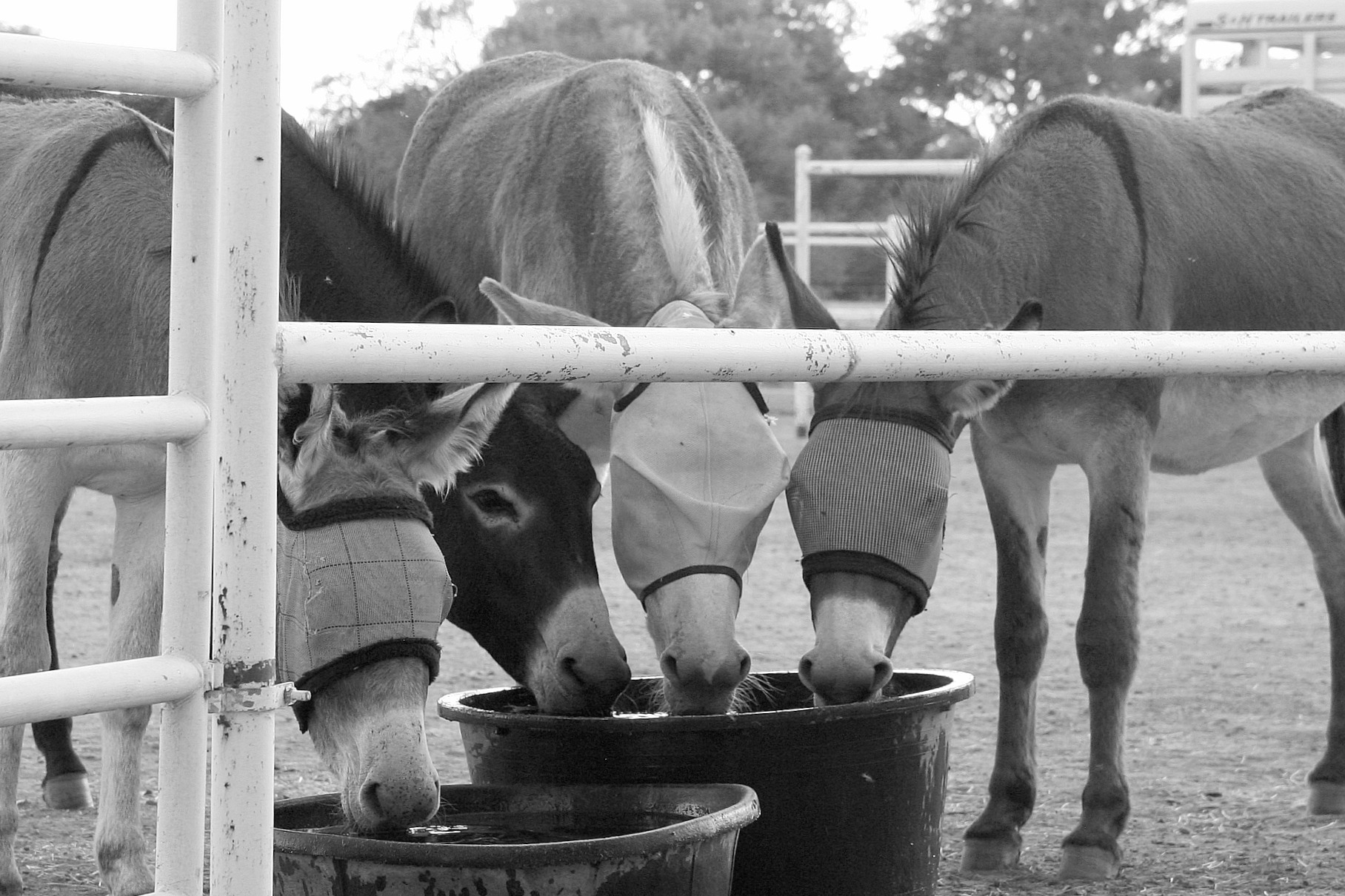
All together now
Posted by Morning Bray under Burros, Donkeys | Tags: burros, donkeys |[21] Comments

August 28, 2010
Ellsworth’s looking forward to meeting one of his biggest fans today
Posted by Morning Bray under Donkeys, Friends and Family | Tags: A Glowing Ember, Carolynn, donkey, Ellsworth |[11] Comments
I’ve told Ellsworth all week that one of his biggest fans is coming to visit. He can barely wait to meet her.
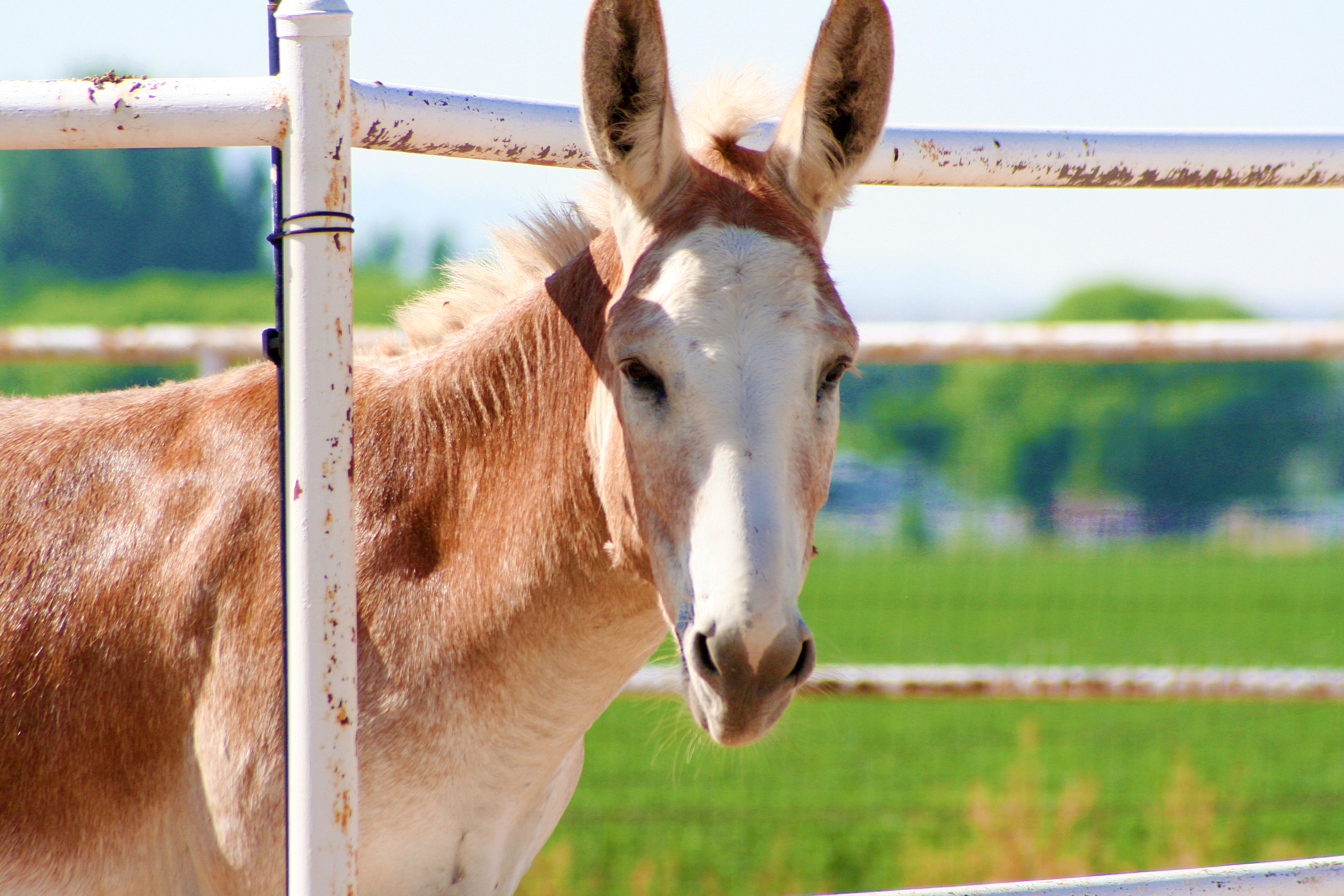
For those of you who follow Carson’s blog, you know that Carolynn from A Glowing Ember is visiting The 7MSN Ranch this weekend.
We’re so excited that today, they’re coming up to visit Morning Bray Farm. Carolynn, Ellsworth is sooooooo looking forward to hugs and scritches from you. ♥
Share this:

August 27, 2010
This baby’s come a long way.
While Momma remains quite feral, Baby Boy has been coming around a lot lately. He’s full of curiosity and will come right up and sniff my hands now, which makes me happy.

Yup, he’s another one I hope to kiss right on the nose someday. ♥
Share this:

August 26, 2010
For the love of donkeys – Keebler
Posted by Morning Bray under For the love of donkeys | Tags: donkey, Keebler |[10] Comments
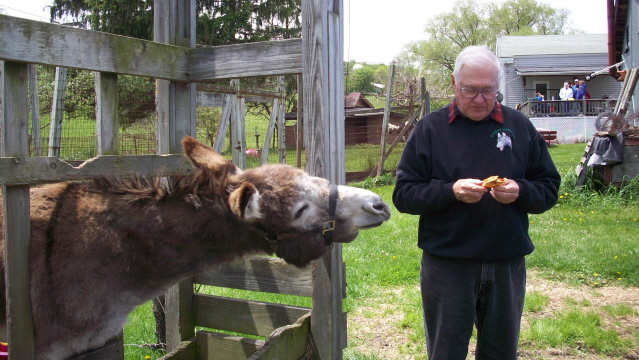
This week we get to meet Keebler, Mel in N.Y.’s jack.
Here’s Keebler begging for snacks. Hi, Mel!
In this picture, Keebler is showing off for the girls.
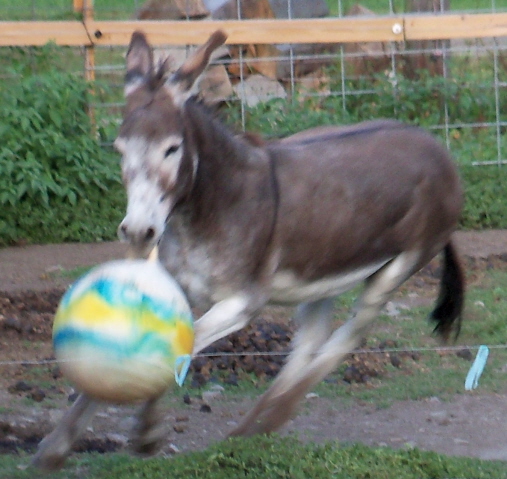
We’ve now officially met all of Mel’s donkeys. He has quite the beautiful herd, doesn’t he?
Share this:

August 25, 2010
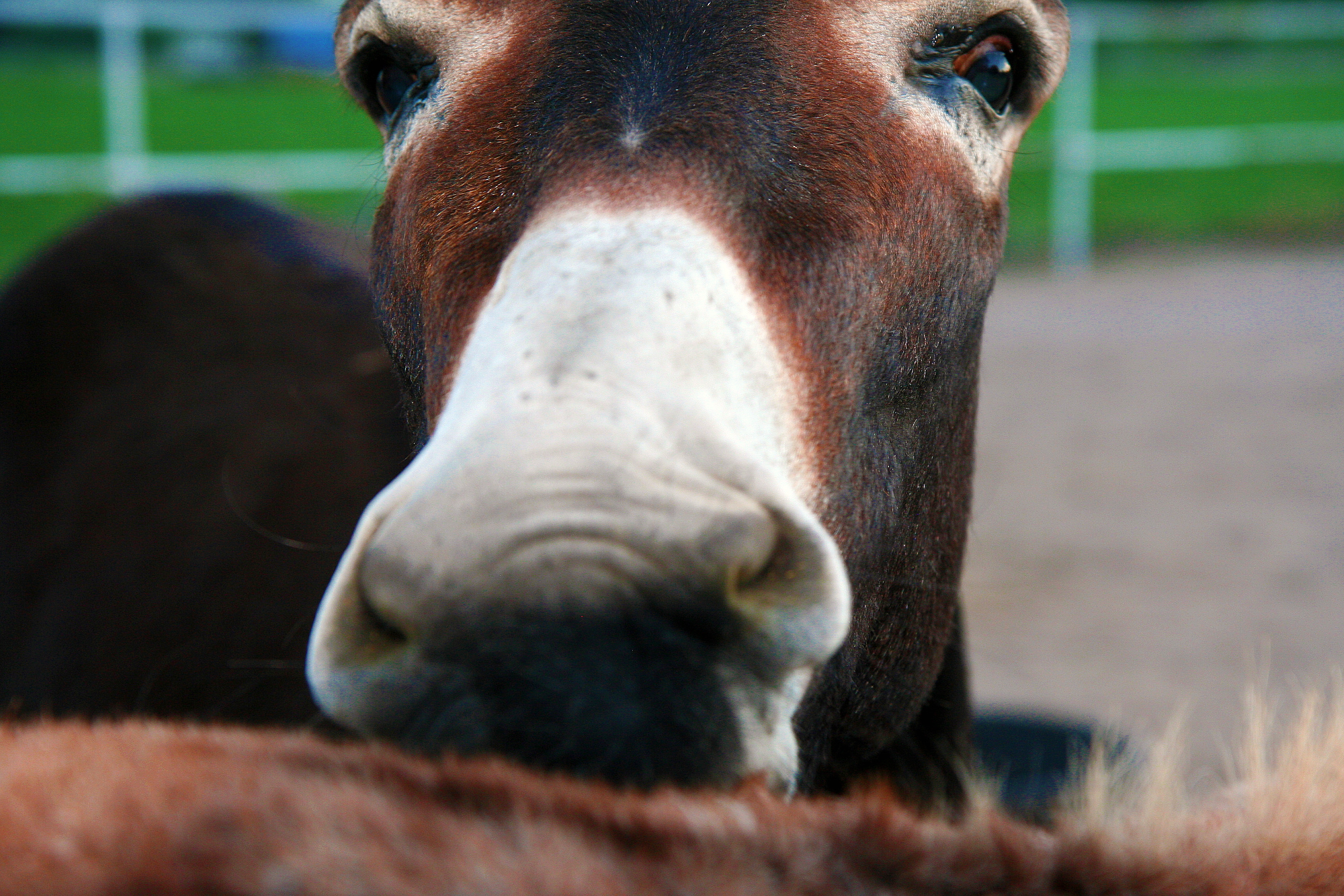
I had a conversation with Carson about Nigel yesterday.
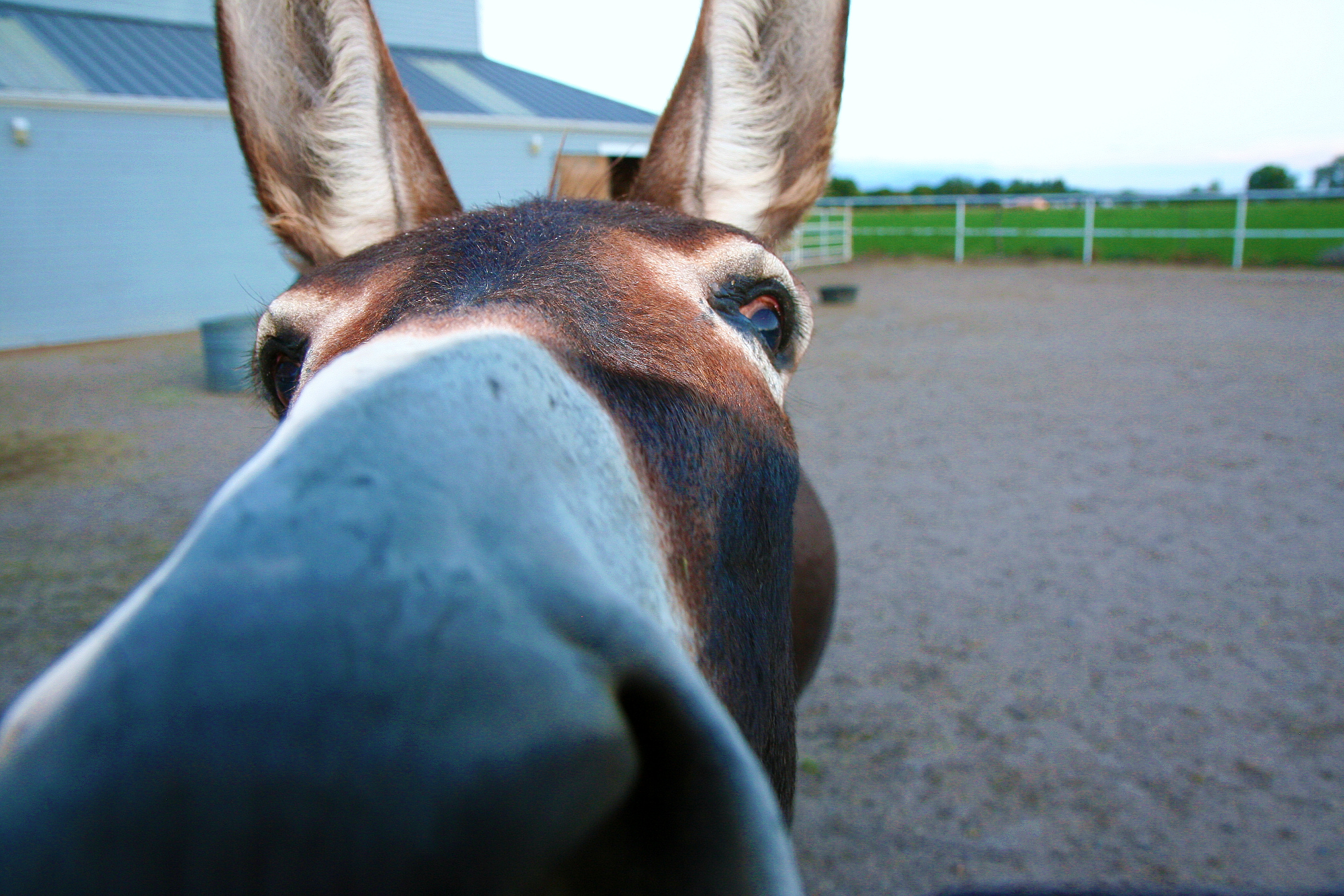
I shared my frustration with not being able to get over our last little speed bump. We’re so close, and I don’t know what to do to help get him over the bump.
Carson’s reply was that perhaps Nigel simply needs a little more time.
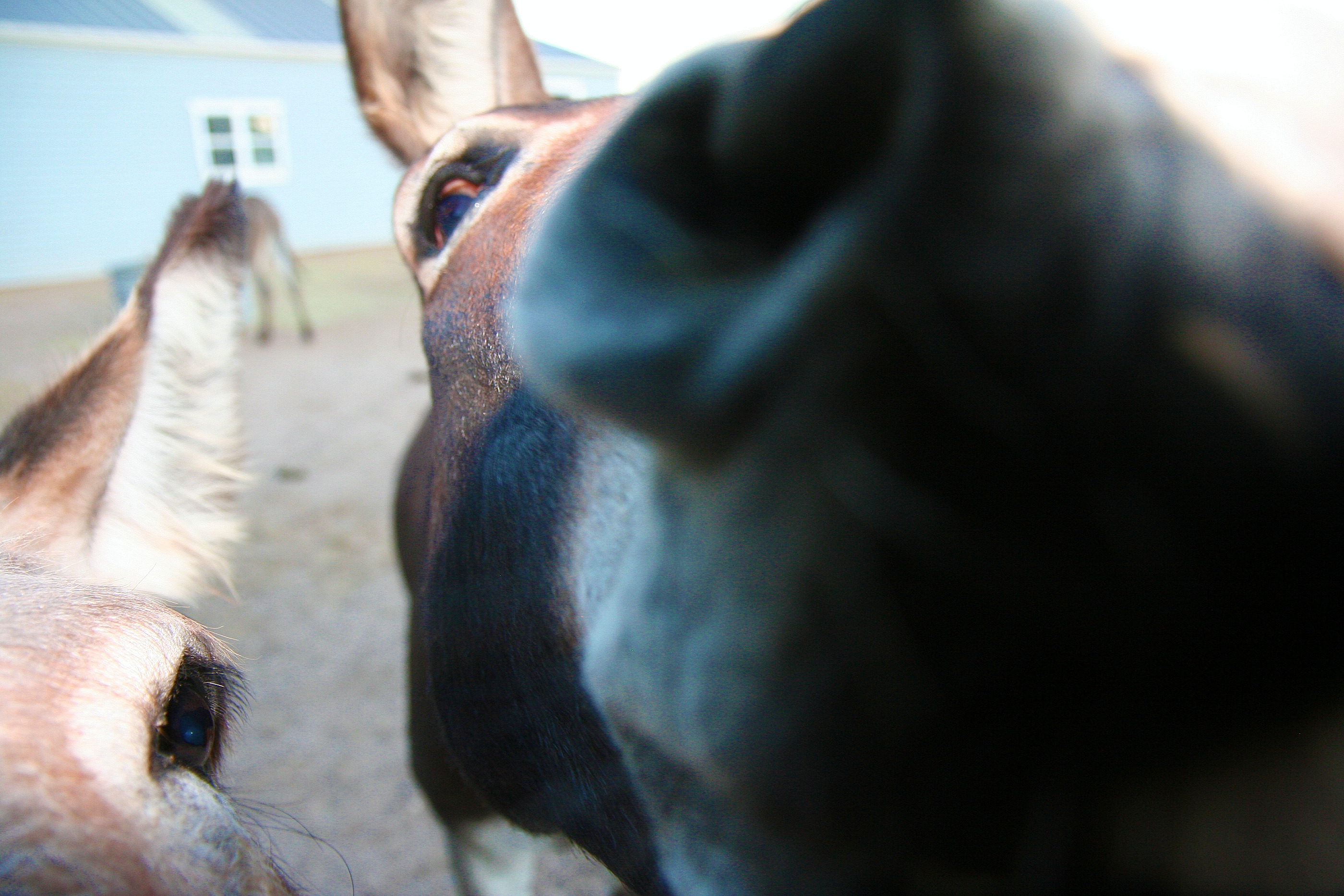
It’s as if he was trying to tell me exactly that last night when I went out to take off fly masks. It’s not at all like him to get so in my face, even if I have a camera in front of it… especially without a fence separating us.
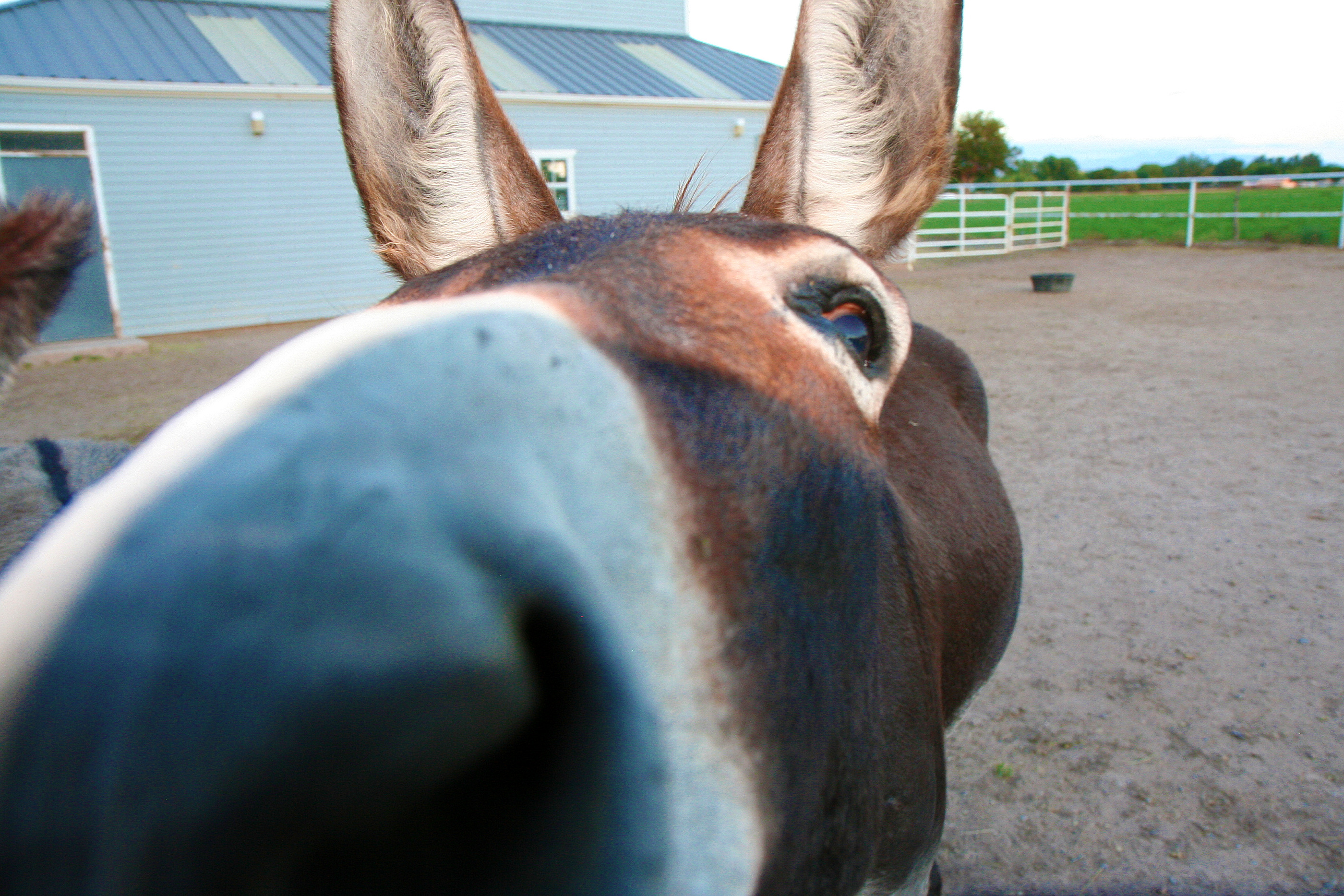
Needless to say, I loved it.
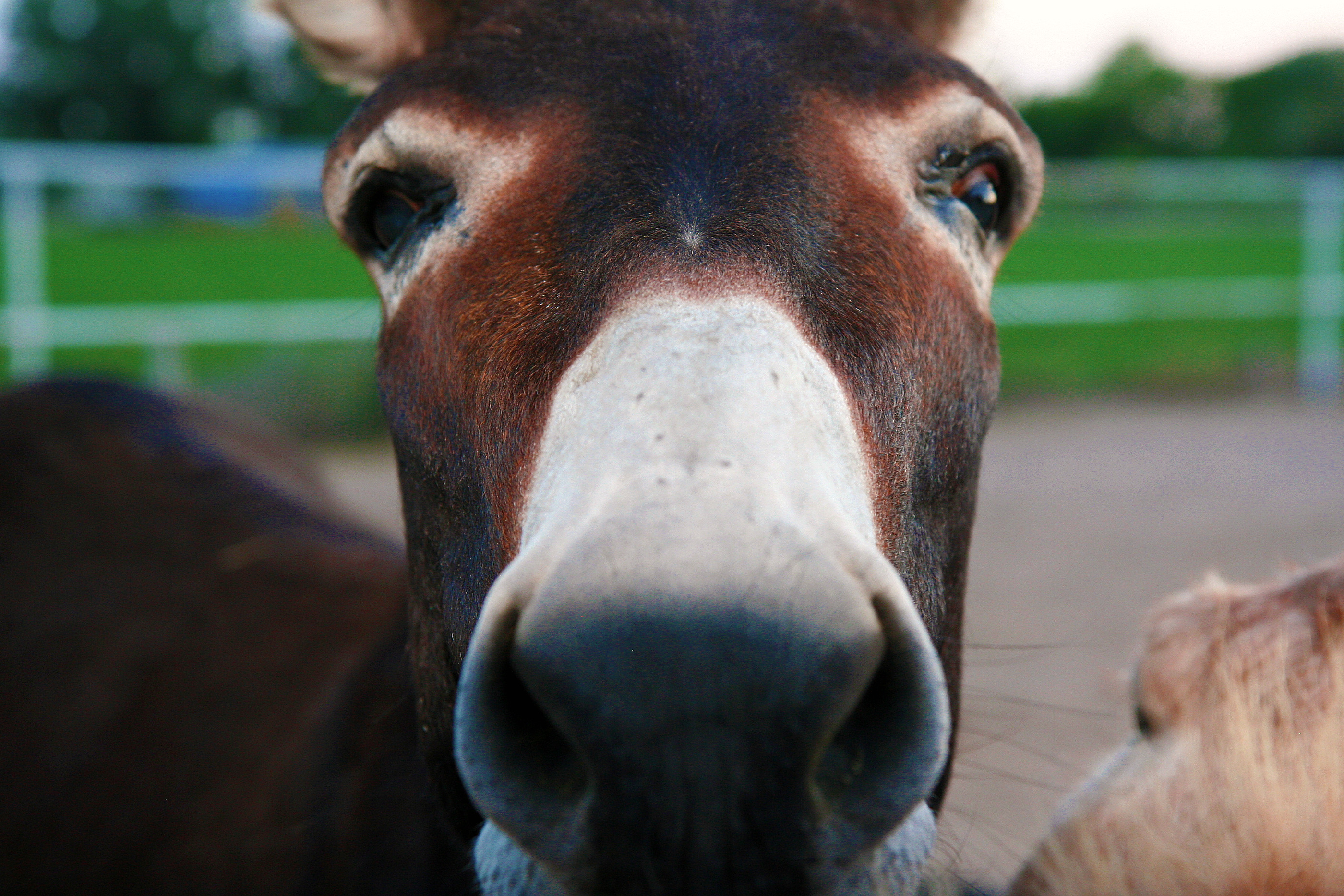
And I love Nigel. He’s going to be a pocket burro in no time at all. ♥
Share this:

August 24, 2010
Flying jewels
Posted by Morning Bray under Birds | Tags: bird, hummingbird, hummingbird facts, hummingbirds |[12] Comments
If you couldn’t already tell, there’s a lot of interest in hummingbirds at Morning Bray Farm this summer.
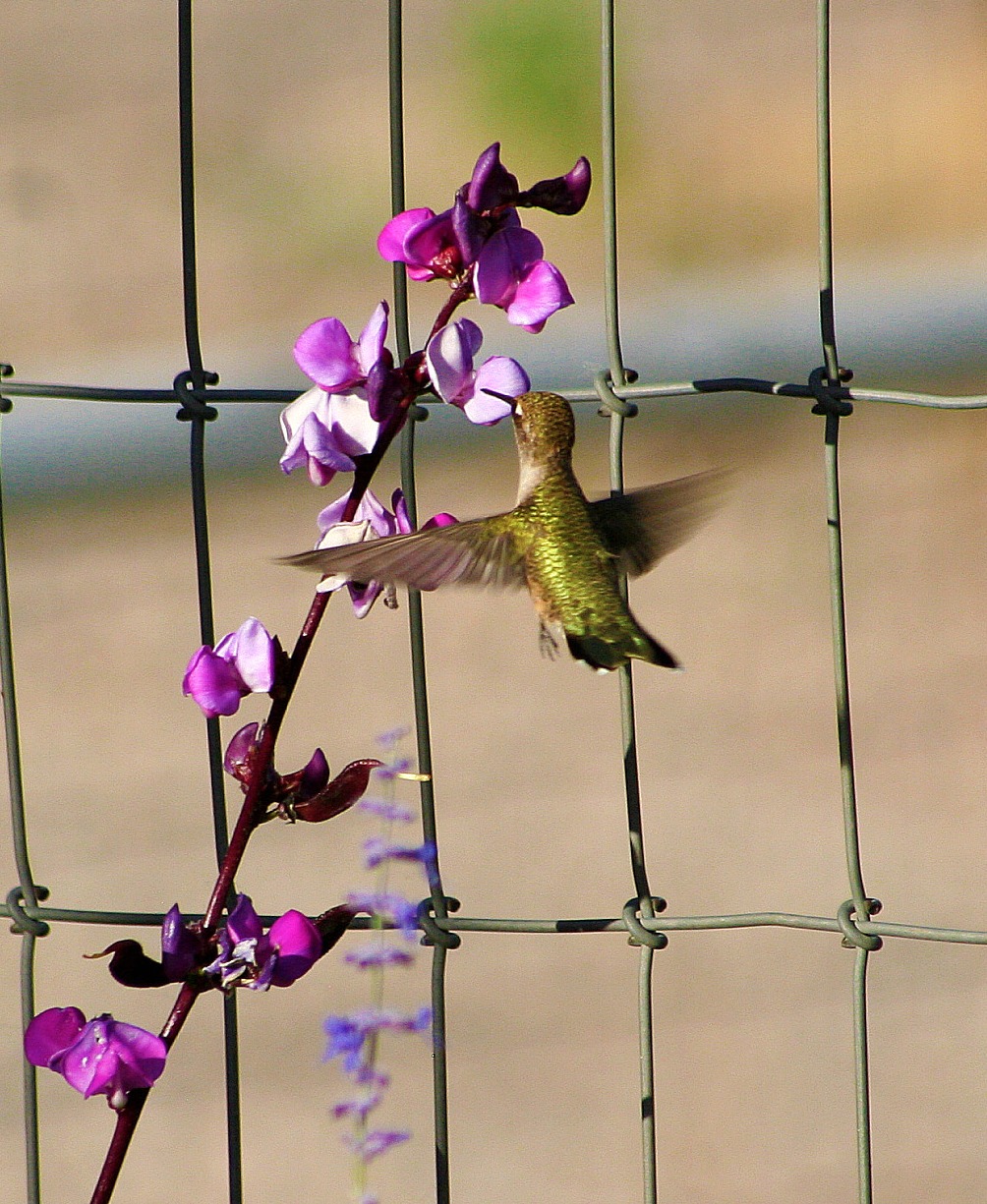
We realized we really didn’t know anything about them, so we went in search of facts. The following is from worldofhummingbirds.com and is absolutely fascinating.
It’s a lot of information, but well worth reading. I’ve bolded what I think are the particularly interesting bits.
- Hummingbirds are the tiniest birds in the world.
- Hummingbirds can flash their bright colors, as well as hide them when needed.
- The bright radiant color on hummingbirds comes from iridescent coloring like on a soap bubble or prism.
- A hummingbird’s brain is 4.2% of its body weight, the largest proportion in the bird kingdom.
- Hummingbirds are very smart and can remember every flower they have been to, and how long it will take a flower to refill.
- Hummingbirds can hear better than humans.
- Hummingbirds can see farther than humans.
- Hummingbirds can see ultraviolet light.
- Hummingbirds have no sense of smell.
- A hummingbird will use its tongue to lap up nectar from flowers and feeders.
- A hummingbird’s tongue is grooved like the shape of a “W”.
- Hummingbirds have tiny hairs on the tip of the tongue to help lap up nectar.
- A hummingbird’s beak is generally shaped like any other bird beak, just longer in proportion to its body.
- A hummingbird’s bottom beak is slightly flexible.
- Hummingbirds do not drink though their beaks like a straw. They lap up nectar with their tongues.
- A hummingbird’s heart beats up to 1,260 times per minute.
- A hummingbird’s heart beats about 250 times per minute at rest.
- A hummingbird’s heart is 2.5% of the total body weight.
- A hummingbird will take about 250 breaths per minute while at rest.
- A hummingbird’s metabolism is roughly 100 times that of an elephant.
- Hummingbirds have very weak feet and can barely walk. They prefer to fly.
- Hummingbirds like to perch.
- Hummingbirds spend most of their life perching.
- The hummingbird’s body temperature is about 107 degrees Fahrenheit (40 degrees Celsius).
- A hummingbird can weigh anywhere between 2 and 20 grams. A penny weighs 2.5 grams.
- 30% of a hummingbird’s weight consists of flight muscles. Human pectoral muscles are about 5% of body weight.
- Female hummingbirds are usually larger than male hummingbirds.
- An average sized hummingbird will have about 940 feathers.
- Females find iridescent feathers attractive.
- Hummingbirds do not mate for life.
- Male hummingbirds do not help raise the young.
- Female hummingbirds do all the nest building.
- A hummingbird baby is about the size of a penny.
- Females will lay a clutch of two eggs.
- Baby hummingbirds cannot fly.
- Baby hummingbirds will remain in a nest for three (3) weeks.
- Most hummingbirds die in the first year of life.
- Hummingbirds have an average life span of about 5 years.
- Hummingbirds can live for more than 10 years.
- Male hummingbirds are very aggressive and will chase another male hummingbird out of its territory.
- A hummingbird’s wings will beat about 70 times per second.
- Hummingbird’s wings will beat up to 200 times per second when diving.
- Hummingbirds are the only birds that can fly both forward and backwards.
- Hummingbirds can also hover in mid-air, fly sideways and even upside-down.
- A hummingbird can fly an average of 25-30 miles per hour.
- A hummingbird can dive up to 60 miles per hour.
- A hummingbird’s wings will rotate in a full circle.
- Ruby-Throated Hummingbirds have been known to travel 500 miles over the Gulf of Mexico to breeding grounds.
- It is estimated that a Ruby-Throated Hummingbird takes about twenty (20) hours to fly across the Gulf of Mexico.
- Some hummingbirds will travel over two-thousand (2,000) miles twice a year during migration times.
- The Rufous Hummingbird travels the farthest north of any other hummingbird to migrate. All the way from Mexico to Alaska.
- A hummingbird can eat anywhere from half (1/2) to eight (8) times its body weight a day.
- A hummingbird will visit an average of 1,000 flowers per day for nectar.
- Hummingbirds eat small soft bugs for protein.
- A hummingbird will lap up nectar at a rate of about 13 licks per second.
- Hummingbirds can double his/her weight before migration.
- There are more than 300 types or species of hummingbirds.
- Hummingbirds don’t really sing, they chirp.
- A hummingbird’s favorite color is red.
- Hummingbirds like tubular type flowers the most.
- Hummingbirds pollinate flowers by rubbing their forehead and face in each flower as they get the nectar.
- Many plants depend on hummingbirds for pollination.
- Hummingbirds get their name from the humming sound produced by their wings when flying.
- Early Spanish explorers called hummingbirds flying jewels. ♥
Share this:

August 23, 2010
Such conflict.
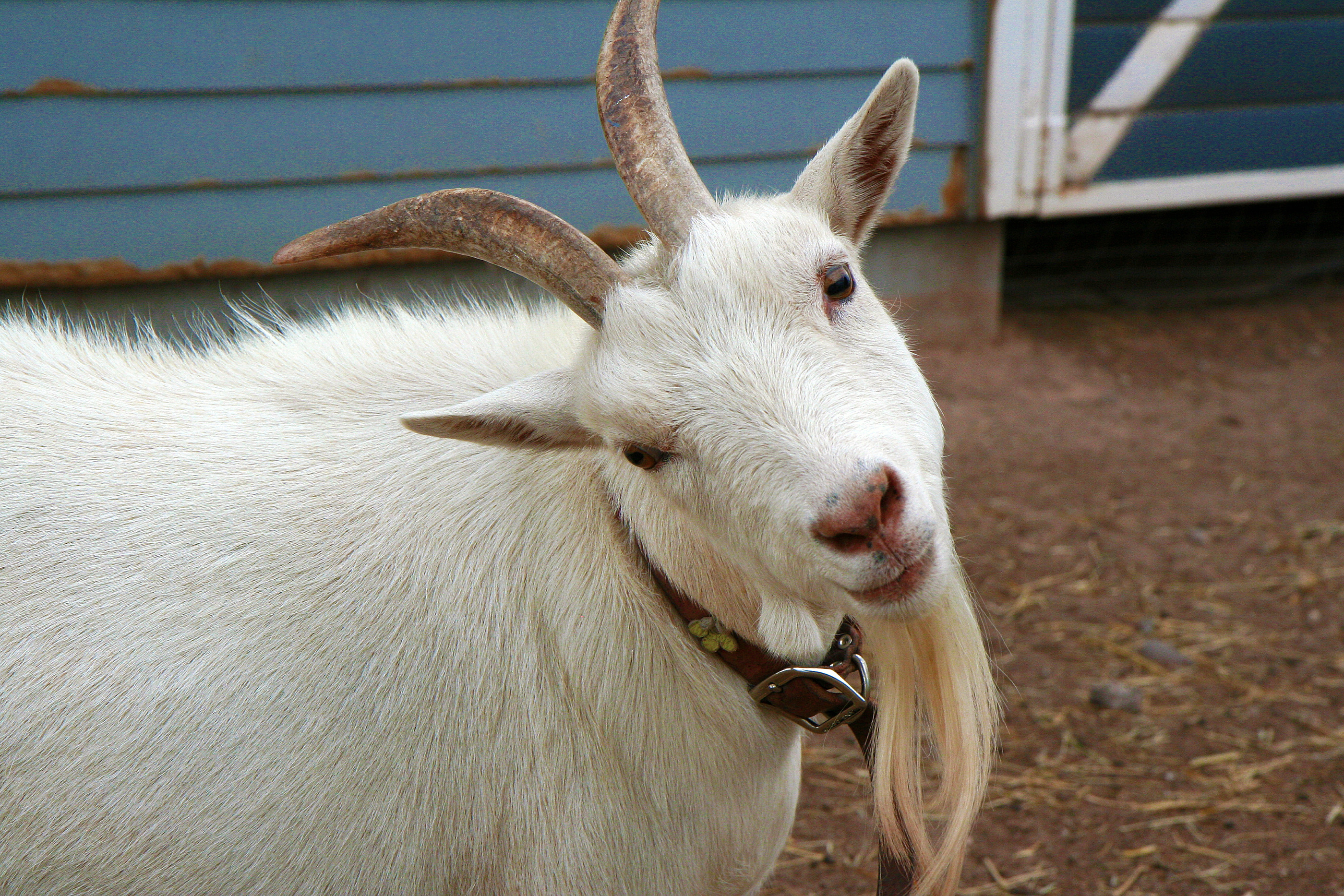
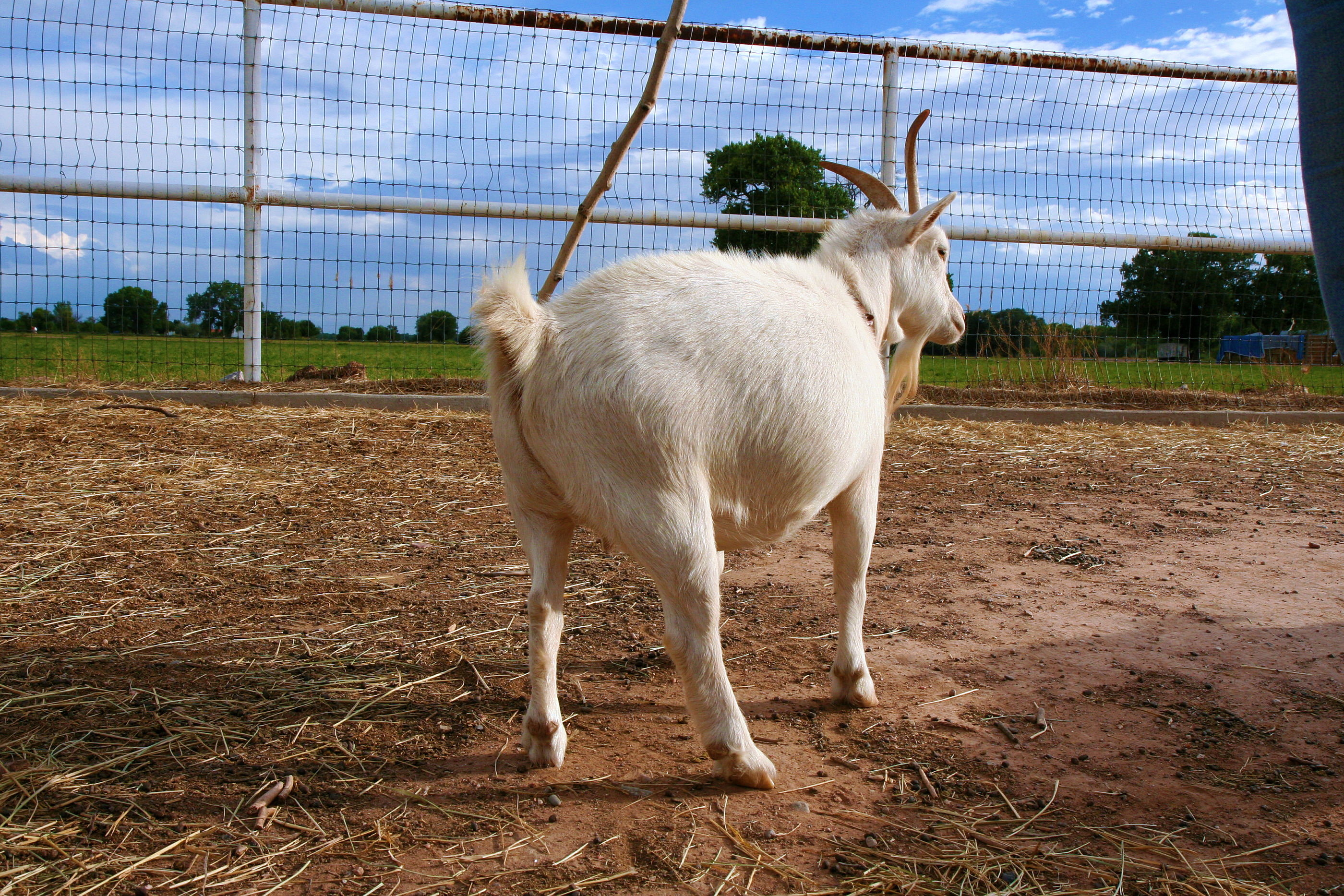
Meggie hates being touched, yet loves to be scratched.
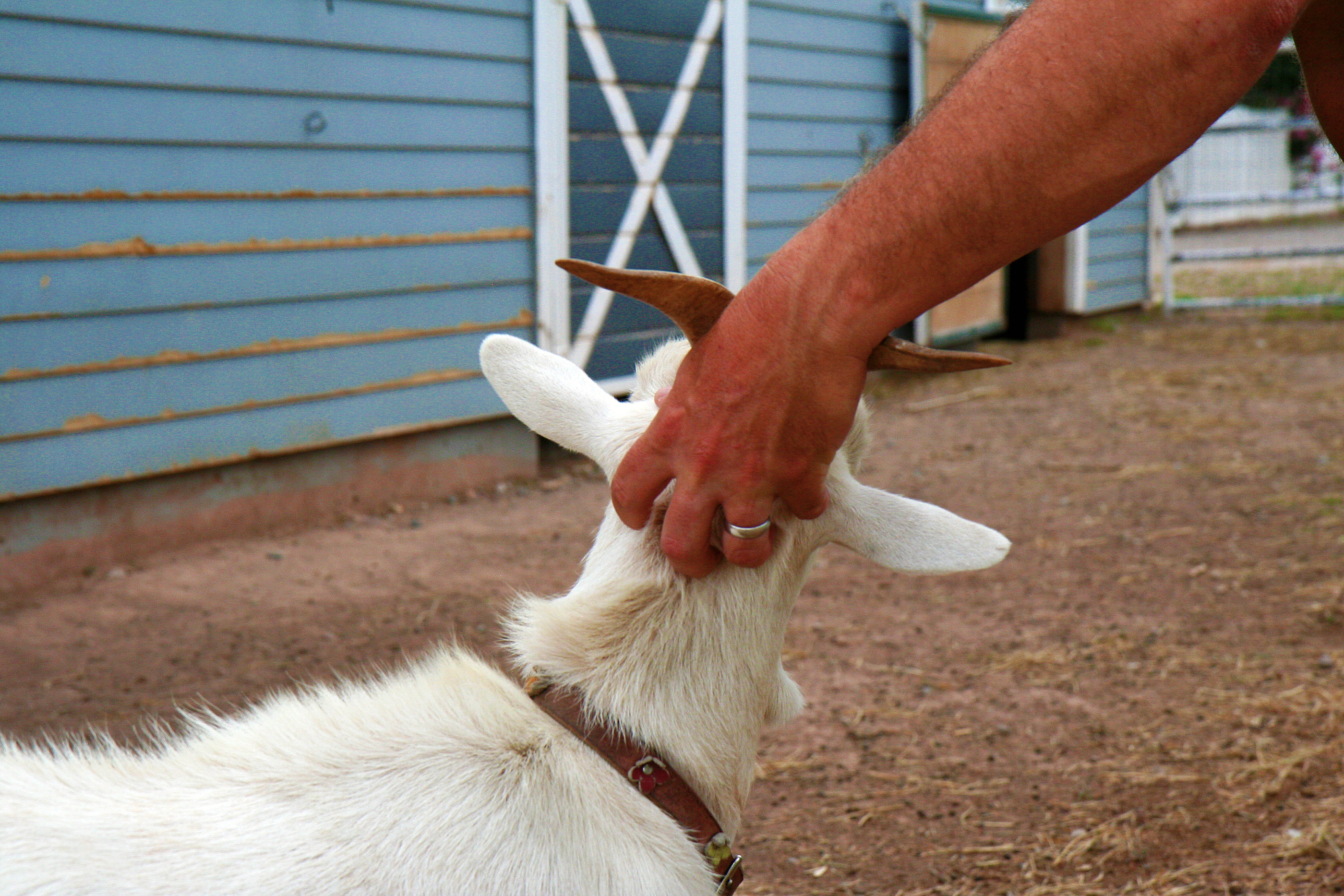
Thankfully, we’ve worked out an arrangement that suits her just fine.
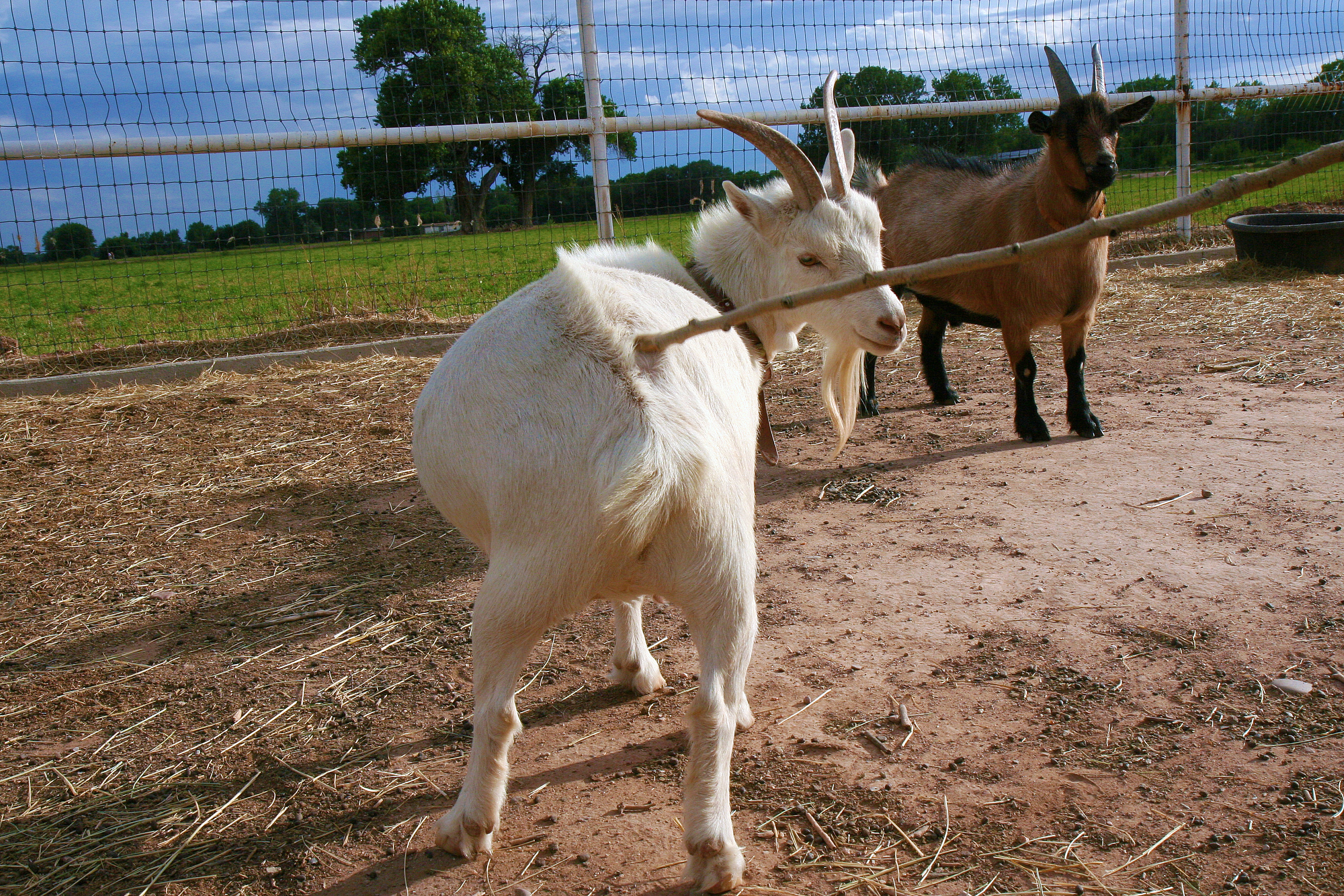
She really digs a good stick scratch.
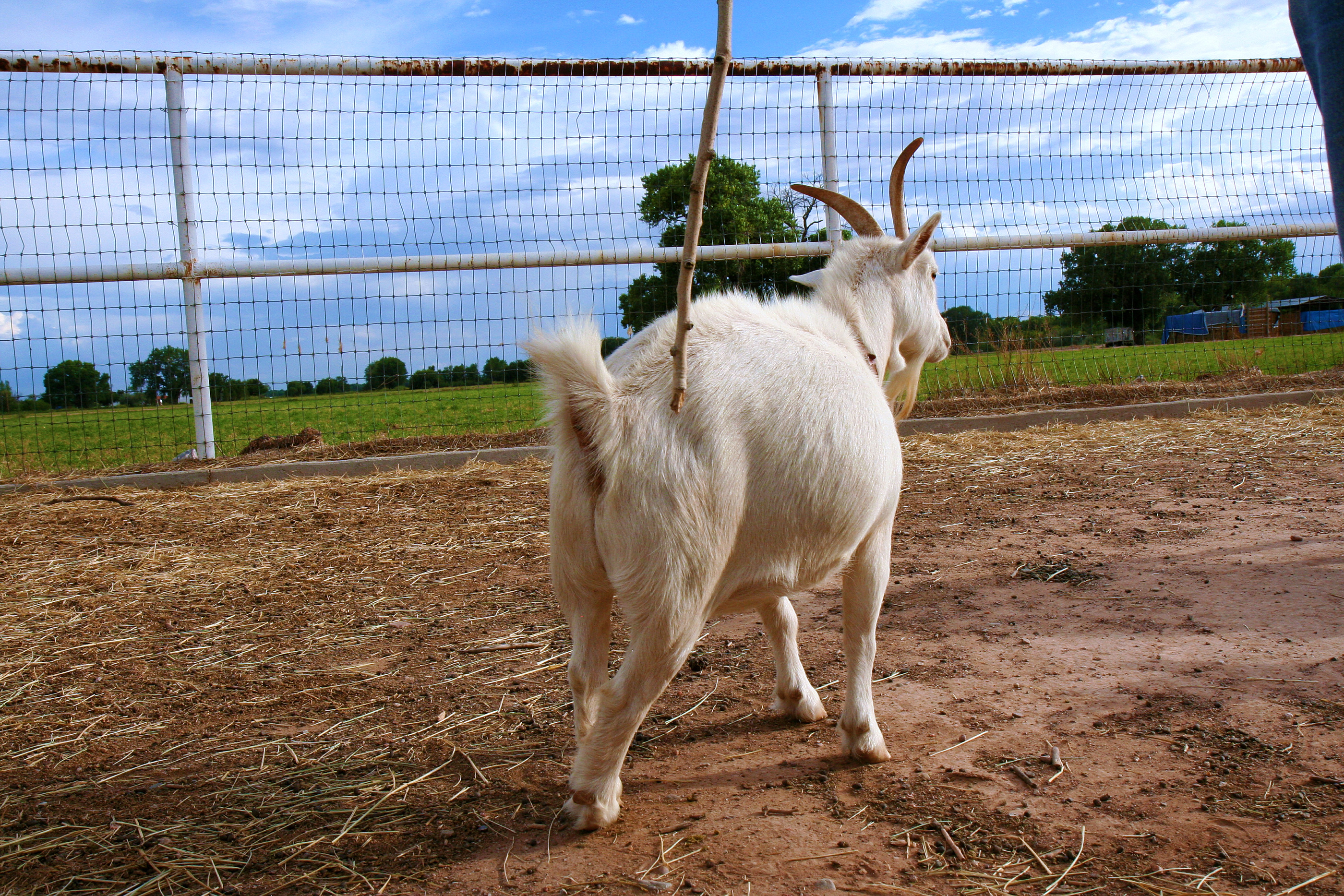
But Heavens to Murgatroyd, you gotta lean into it.
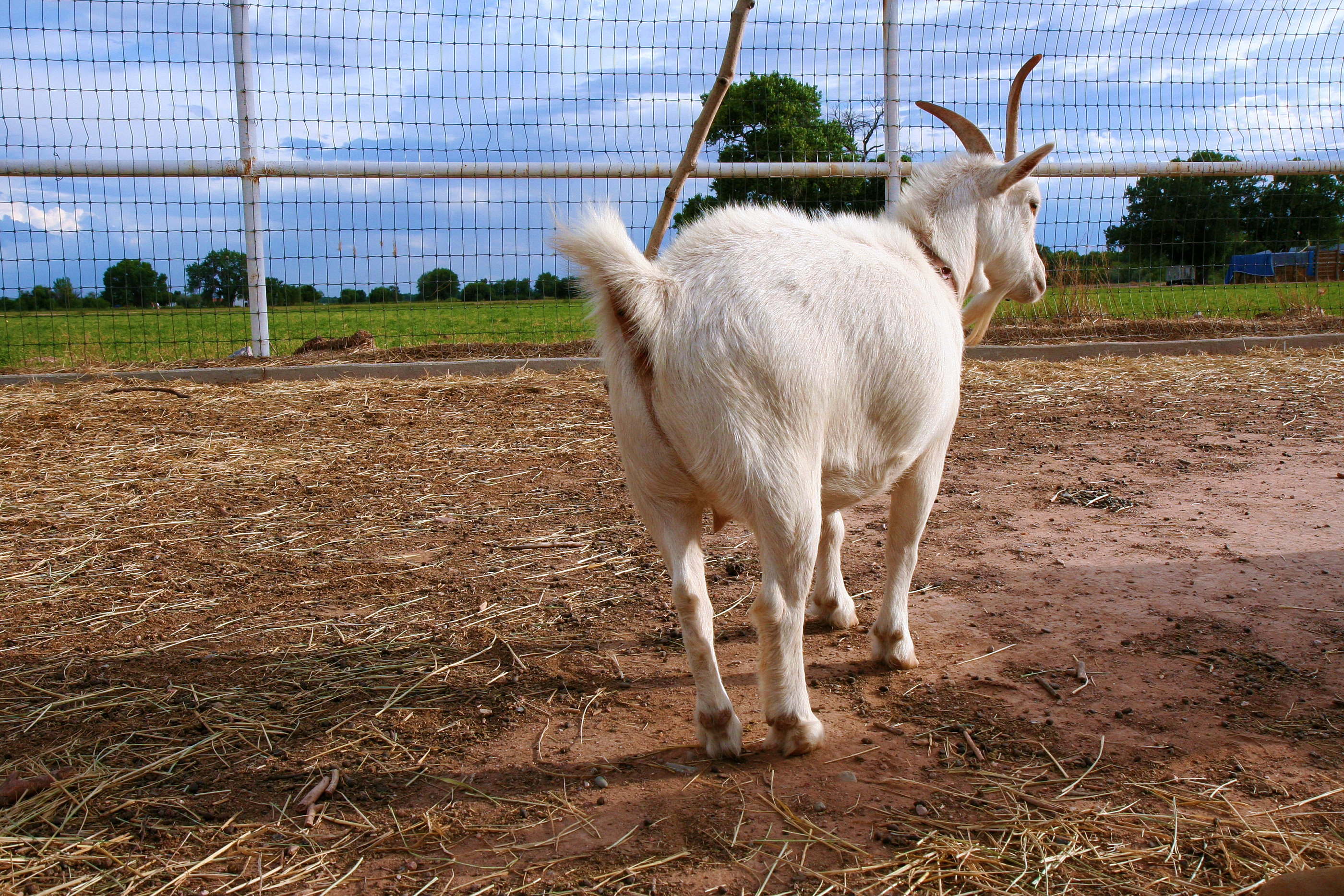
Reeeeely lean into it.
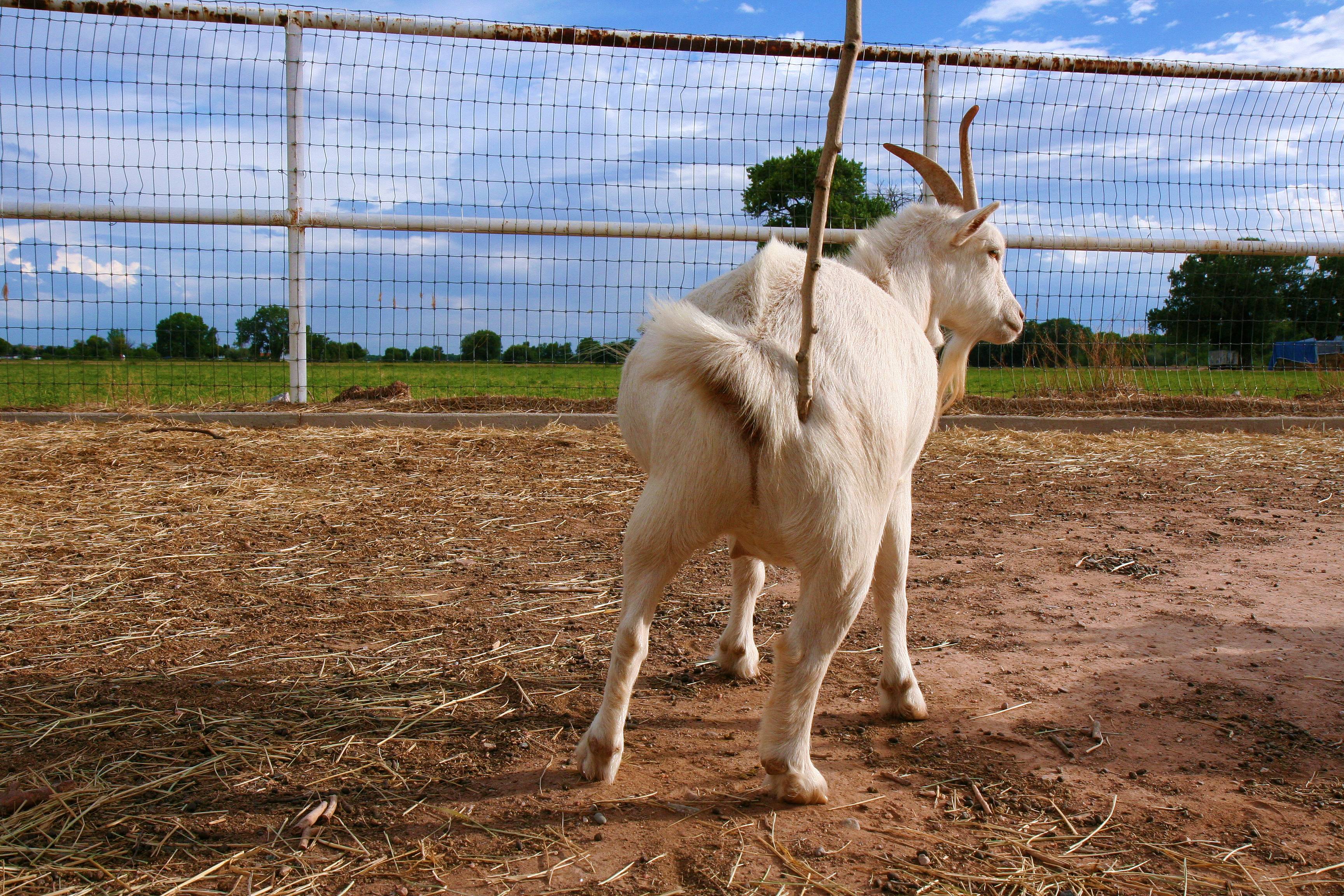
And don’t we all know, there’s nothing wrong with a girl gettin’ what she wants the way she wants it. ♥
Share this:

August 22, 2010
Sunday Stills – Metal
Posted by Morning Bray under Horses, Sunday Stills | Tags: Arabian, cinch buckle, Egyptian Arabian, Foxy, horse, riding lesson |[24] Comments
This cinch buckle is pretty significant for me this week.
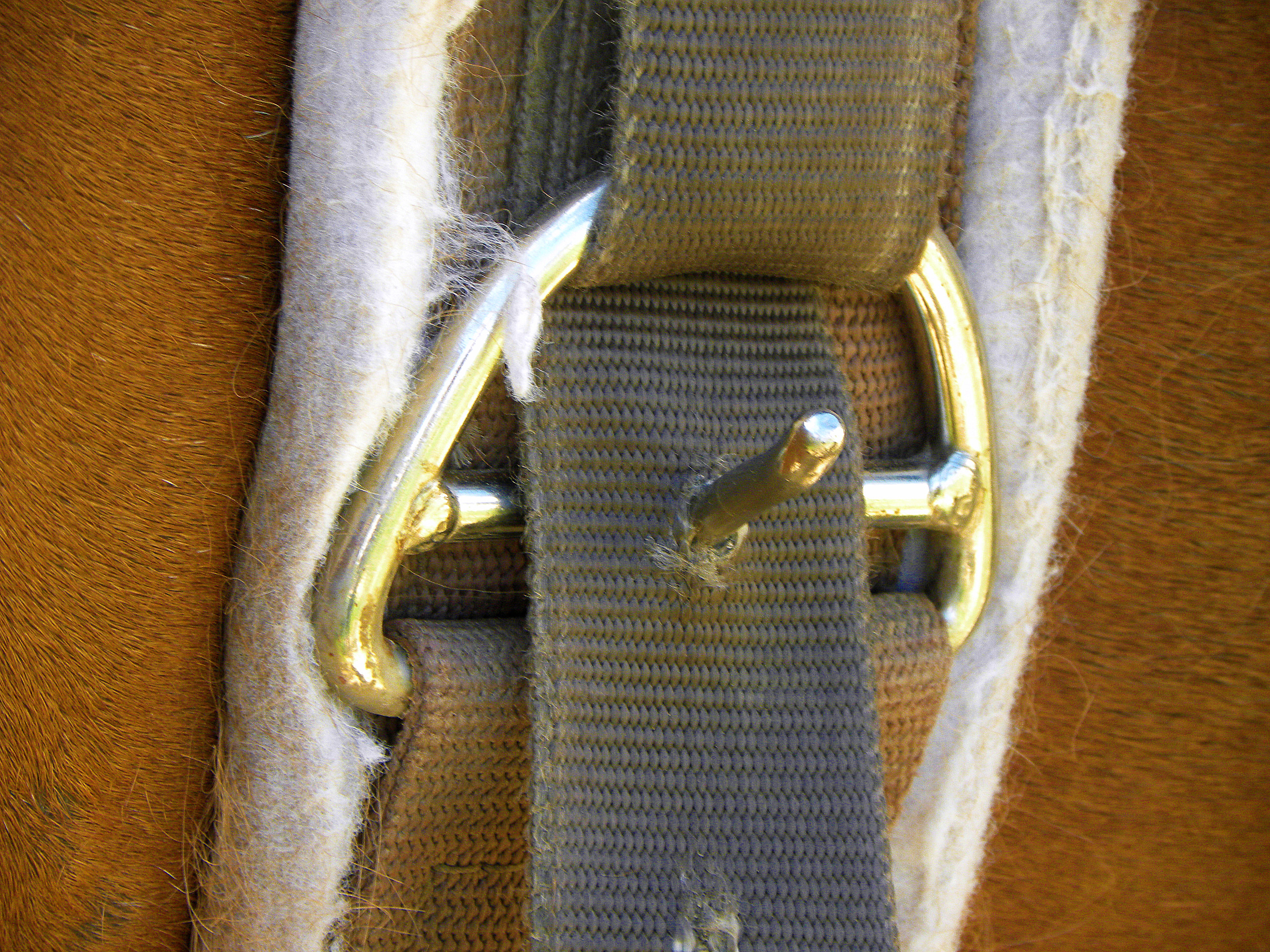
I took my first riding lesson – EVER in my whole life! – yesterday. SO amazing. I felt like I really and truly rode a horse for the first time.
It wasn’t at all like my previous experiences, which for the most part, have been on horses that simply followed the rear end of the horse in front of them. Even if I had fun pretending I was, I know I was never the one in control on any of those horses.
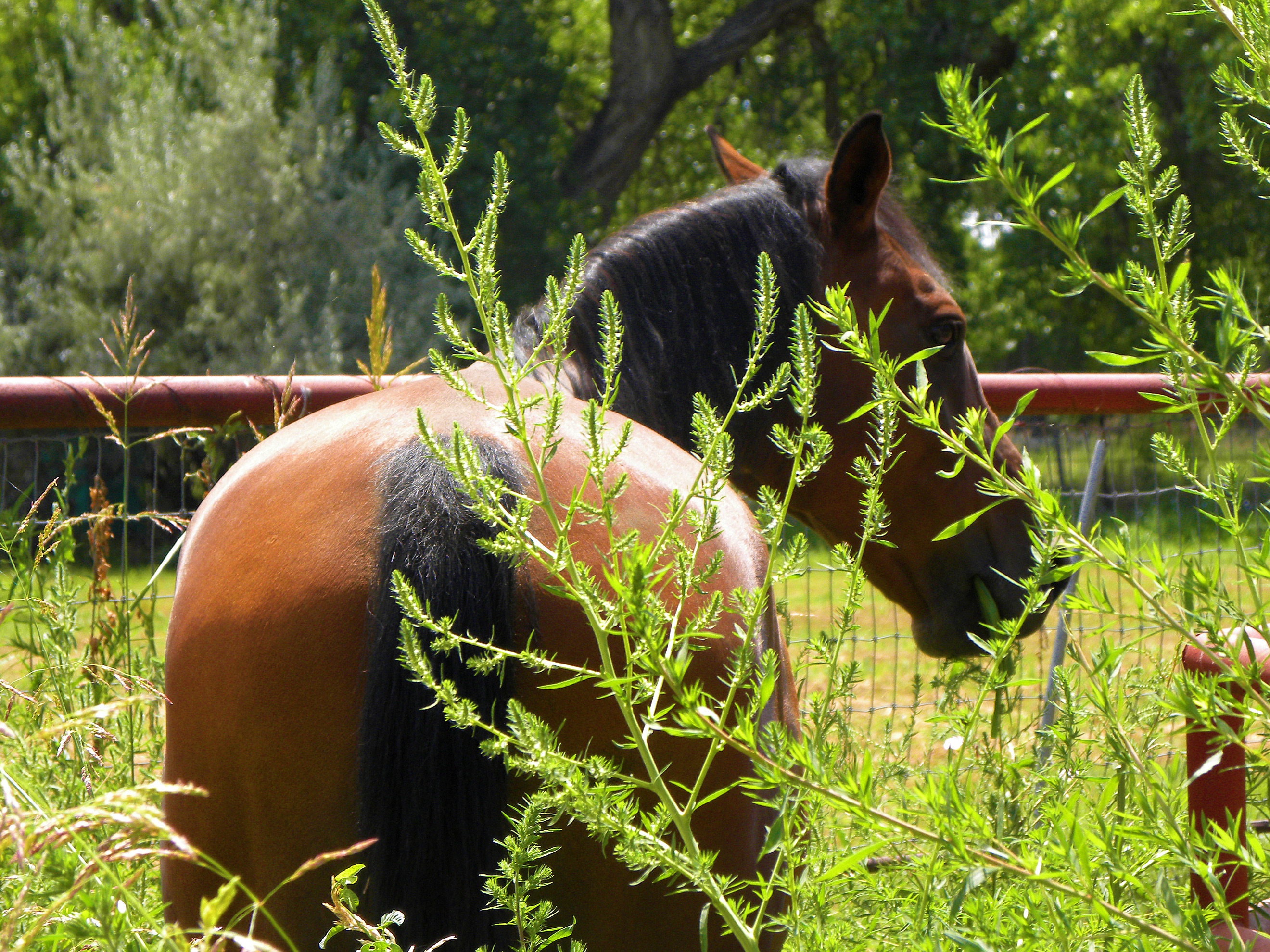
My horse yesterday was Miracle Foxy Czar, a.k.a. Foxy; an Egyptian Arabian. Gorgeous. Gentle. Smart. Responsive. Who knew? Foxy responded to my legs, my posture, my balance. I hardly had to use the reins. Who knew a horse could respond to every single – even minute – change in me and what I was doing?
Linda, my instructor, must have thought I was maniacal. She kept showing me things, and I think I kept saying, “This is so cool!” And, “Oh my gosh!” And, “This is amazing!” I mean, seriously? How cool was it that all I had to do was lean forward a bit and Foxy’s pace picked up in response? How cool was it that all I had to do was push one leg or the other into him and he’d move for me? How cool was it that my balance determined whether he went left or right?
I told Don I felt as if I had been plugged into Foxy. A whole new world opened up for me… I never knew horses could read a person like Foxy read me. And it felt so good. So amazing! So real!
Here’s Foxy. Did I mention he’s gorgeous?
I can barely wait for our next lesson. ♥
Share this:

August 21, 2010
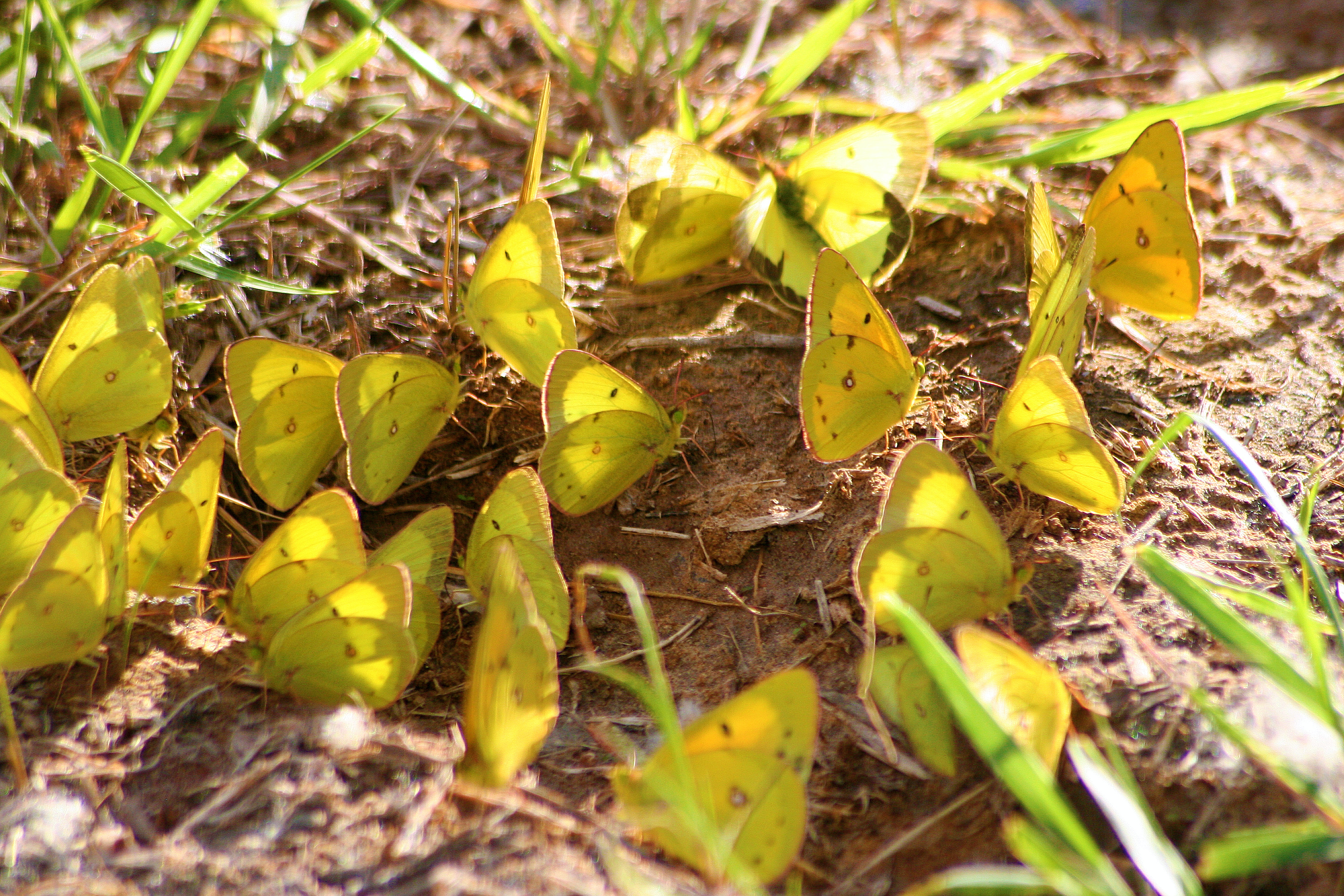
Saturday Stuff – Sulphur butterflies
Posted by Morning Bray under Farm, Insects, Saturday Parts & Stuff | Tags: alfalfa, butterflies, Butterfly, sulphur butterflies |[10] Comments
Up until last week when it was cut, the alfalfa field behind us was vibrant and alive with beautiful blue flowers.
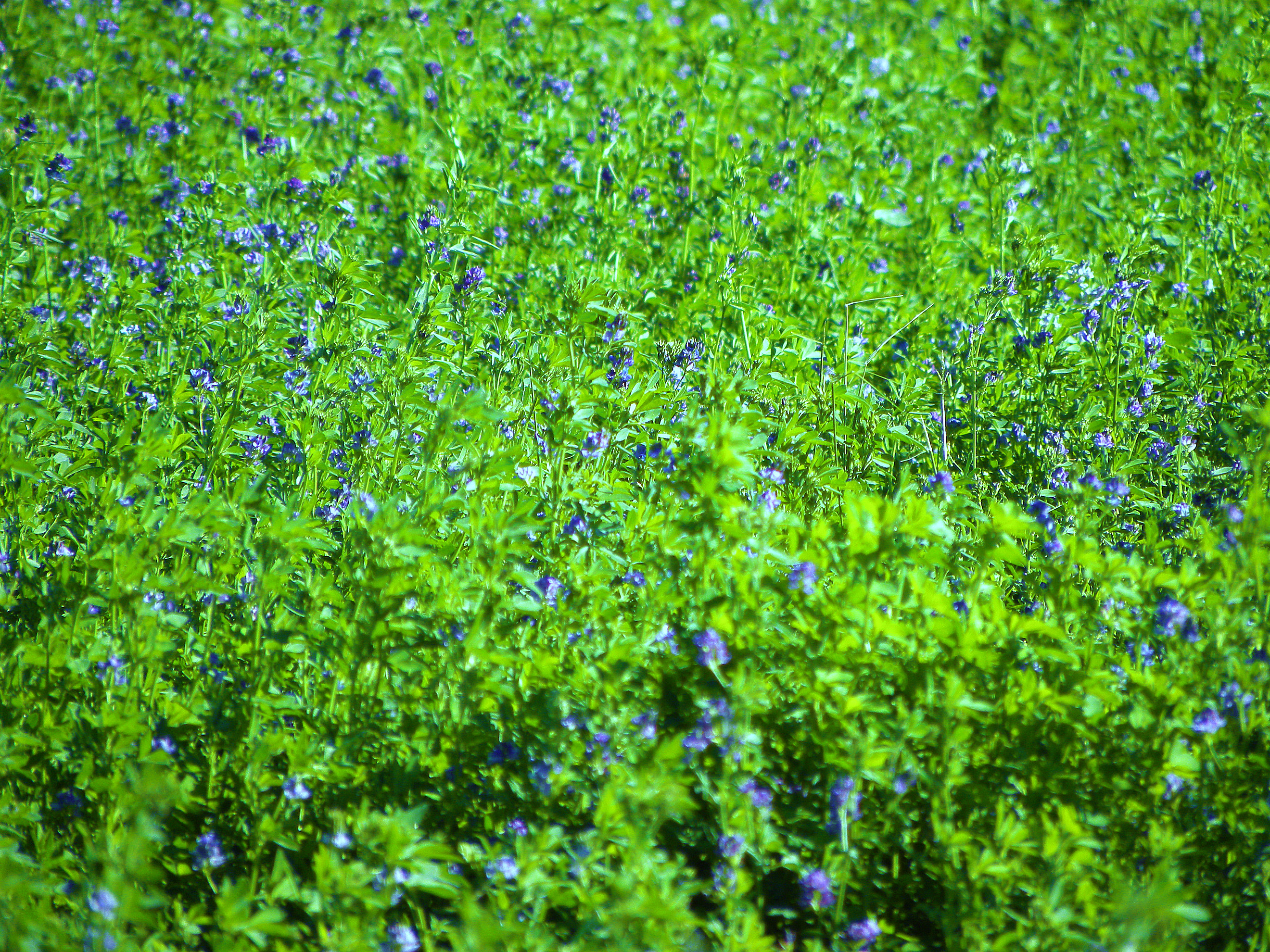
And what seemed like tens of thousands of small, yellow butterflies.
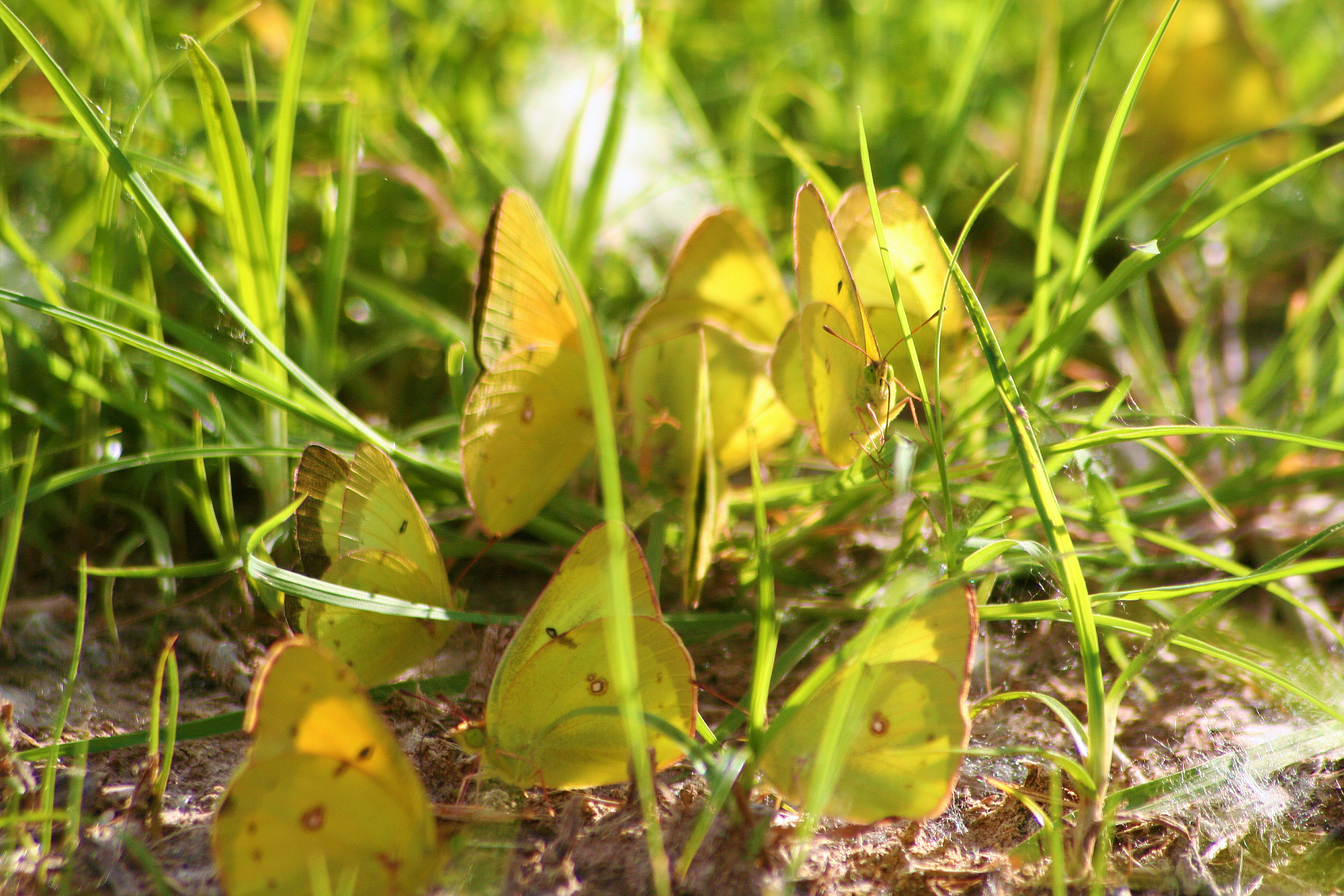
Turns out, they’re sulphur butterflies. Caterpillars of these butterflies feed on plants in the legume family. This includes beans, alfalfa, sweet clover and red clover. Because their caterpillars are readily found on alfalfa, the butterfly is sometimes called “alfalfa butterfly.”
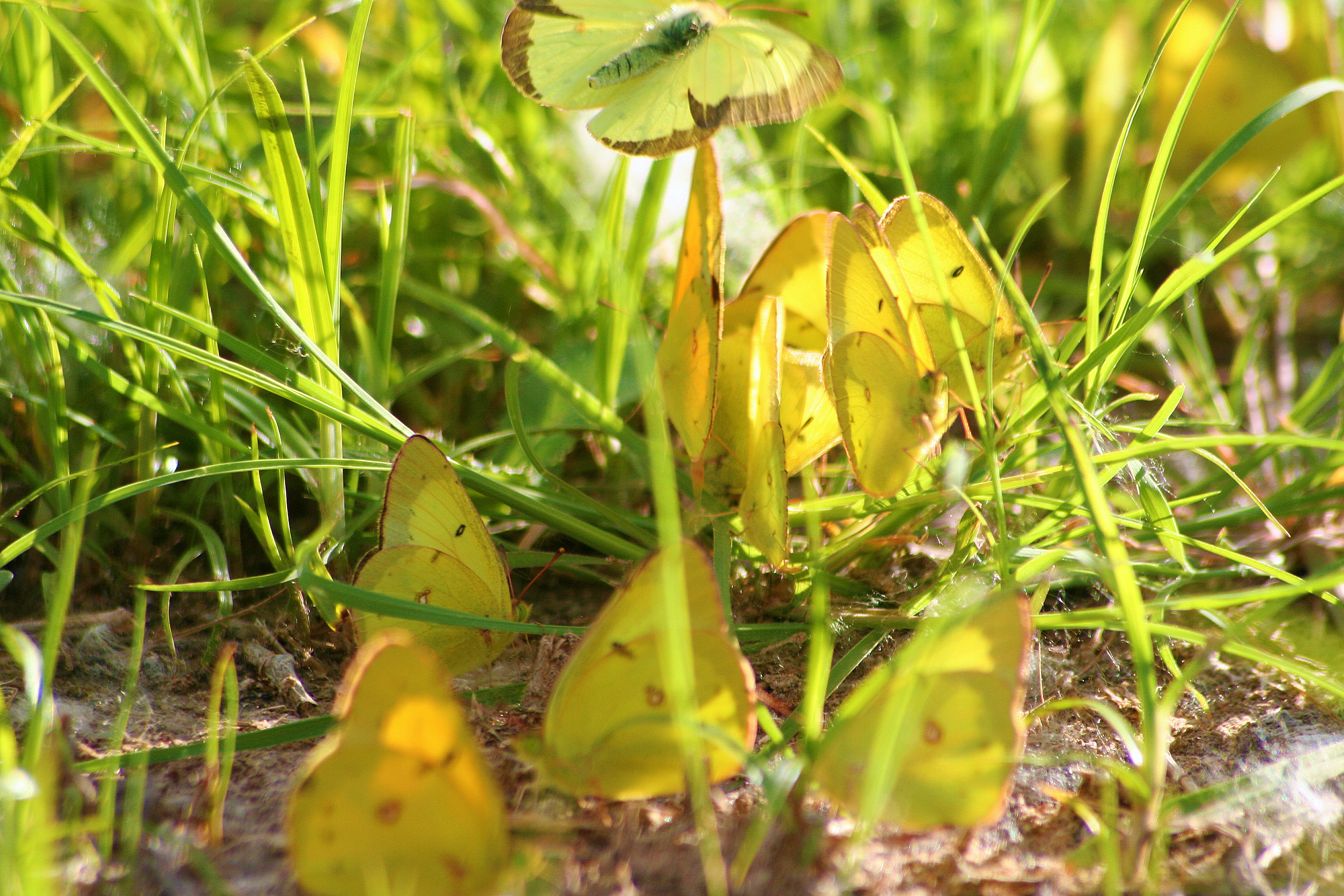
From what I’ve read, the butterflies pose little to no threat and aren’t likely to be a serious pest of agricultural crops.
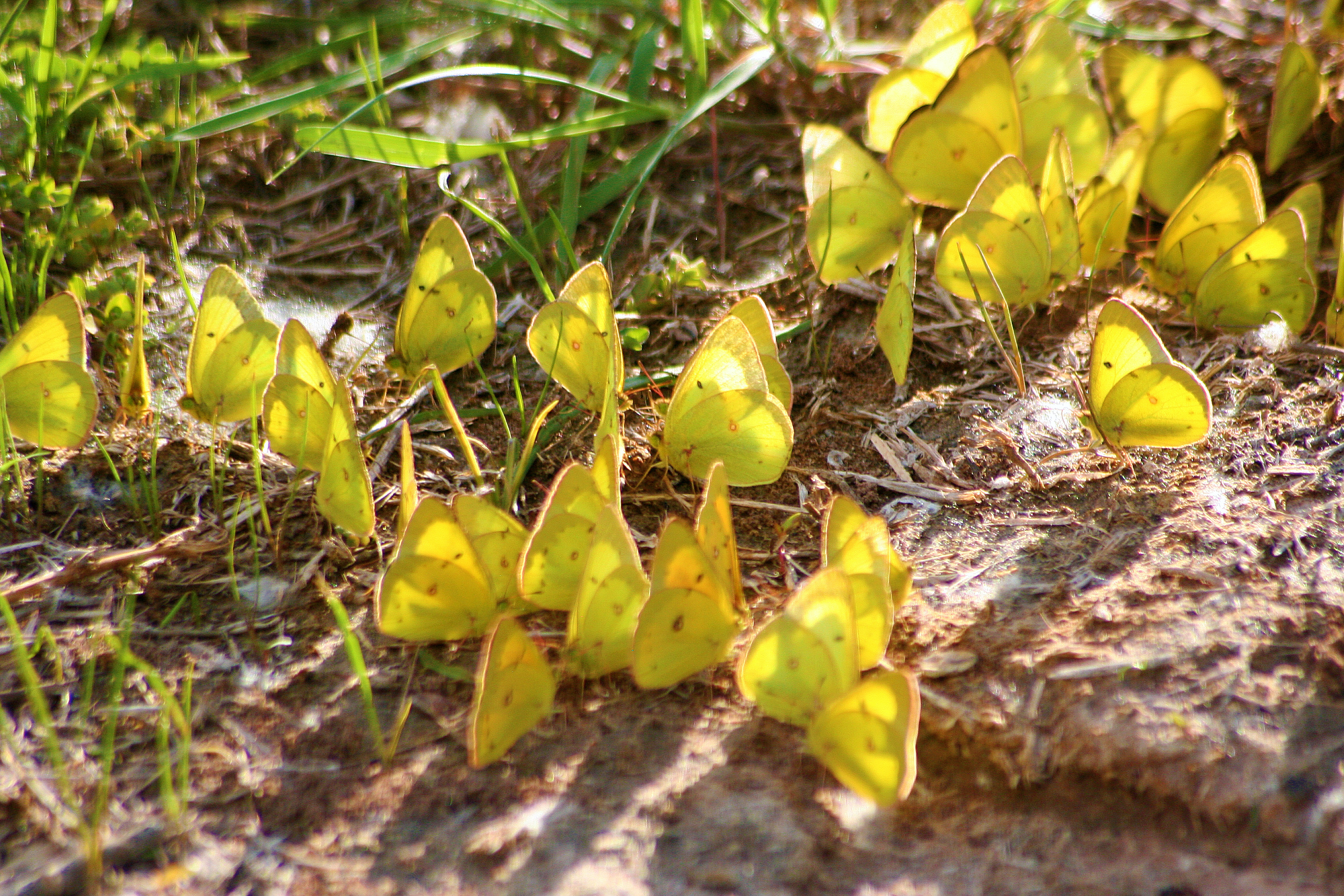
That made us all too happy to sit back, relax and enjoy the show.
Share this:

August 19, 2010
Perfect character
Posted by Morning Bray under Donkeys, Friends and Family | Tags: Don, Ellsworth, Mark Twain |[14] Comments
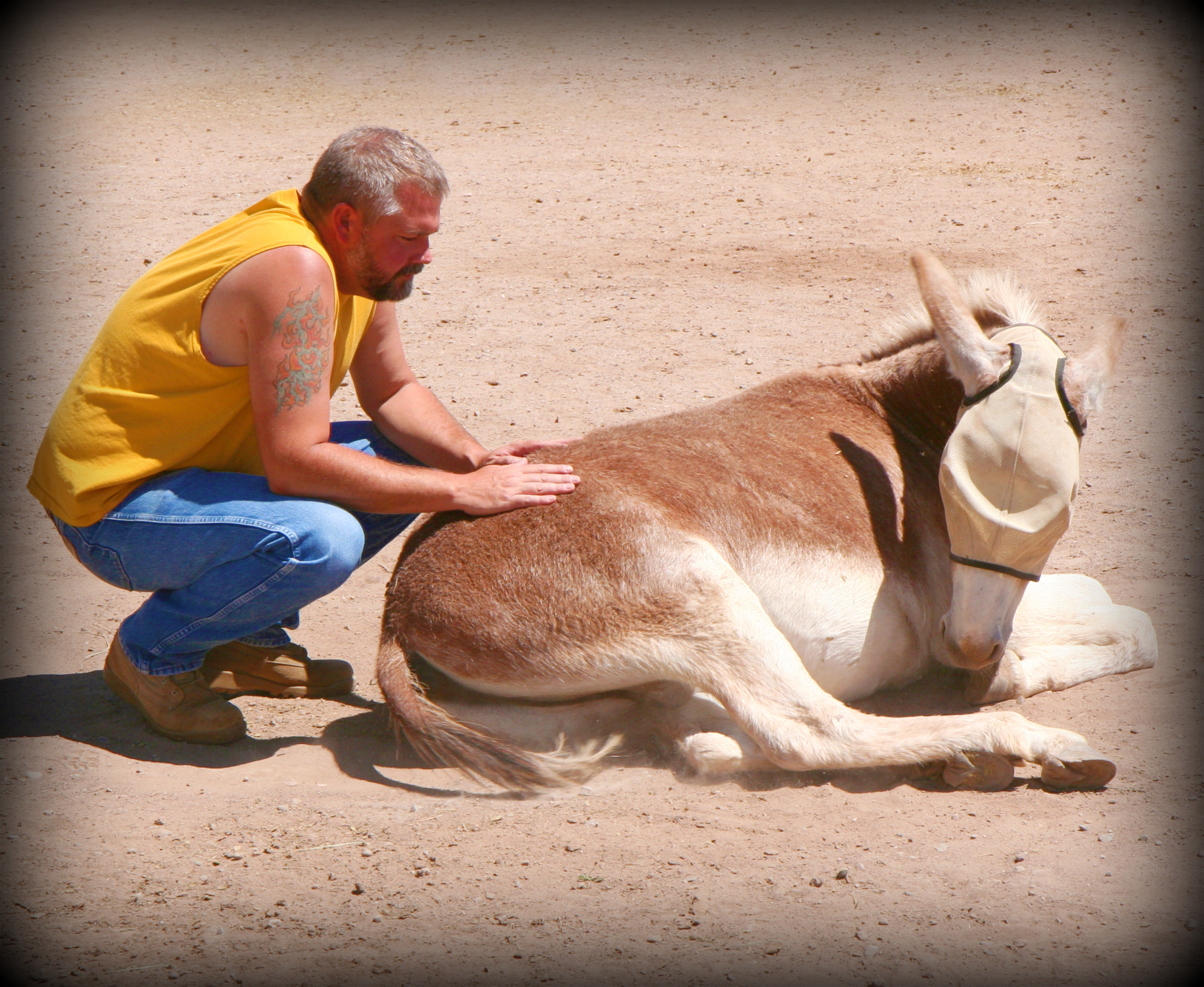
There is no character, howsoever good and fine, but it can be destroyed by ridicule, howsoever poor and witless. Observe the ass, for instance; his character is about perfect, he is the choicest spirit among all the humbler animals, yet see what ridicule has brought him to. Instead of feeling complimented when we are called an ass, we are left in doubt.
– Mark Twain, Pudd’nhead Wilson









 Morning Bray Farm