Birds
Archived Posts from this Category
January 18, 2012
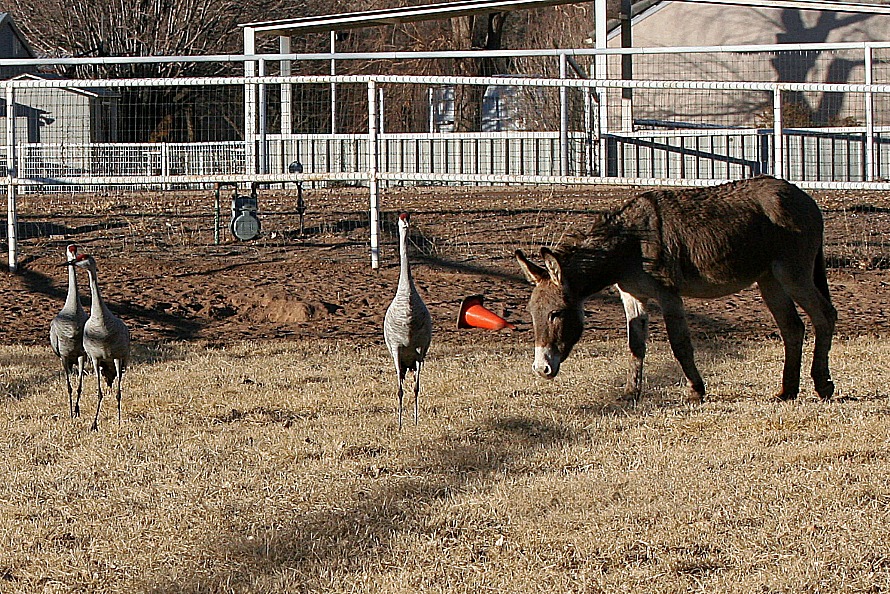
Wordless Wednesday
Posted by Morning Bray under Birds, Burros | Tags: burro, Gracie Belle, herding cranes, sandhill cranes |[28] Comments

January 14, 2012
Saturday Stuff – In flight
Posted by Morning Bray under Birds, Saturday Parts & Stuff | Tags: Canada Goose |[23] Comments


December 27, 2011
Looking back at 2011 – January and February
Posted by Morning Bray under Birds, Donkeys | Tags: 2011, birds, donkeys, Eurasian Collared-Dove, sandhill crane |[13] Comments
A lot happened at Morning Bray Farm this year. When I sat down yesterday to reminisce by looking through blog posts, the magnitude of the changes here really hit me.
The blessing of Patrick came to us in March, followed by our beautiful Muscovy ducklings in April. Fergus left us in July, we adopted our BLM beauty Gracie Belle in August, and Buck arrived in October.
Whoa. It all happened so fast.
Last night, Don and I went through and picked our favorite blog photos/moments from 2011. We’ll share our picks this week. If you click on any of the photos, you’ll be taken to the original blog posts.
January 2011
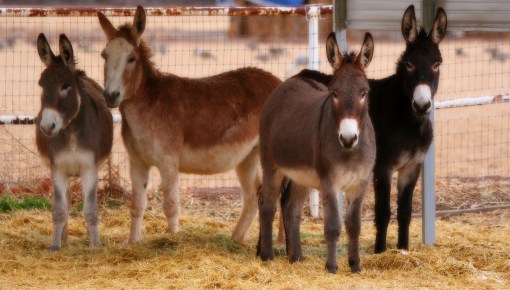
The fabulous four:
Fergus was such a character:
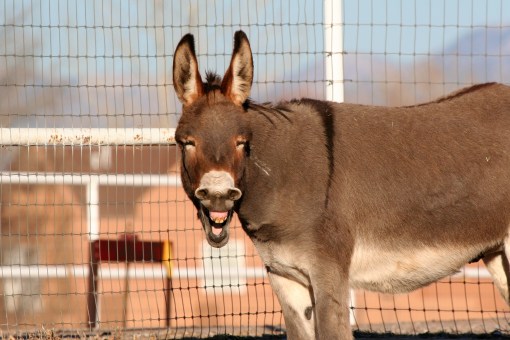
He did an excellent James Cagney impersonation:
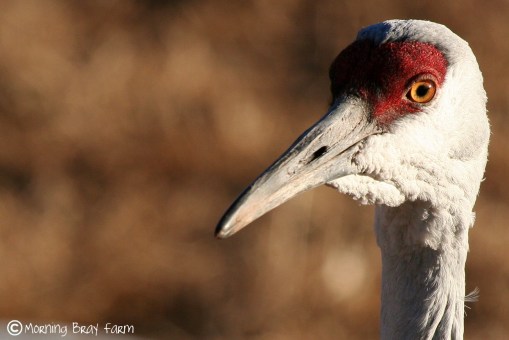
Sandhill crane:
February 2011
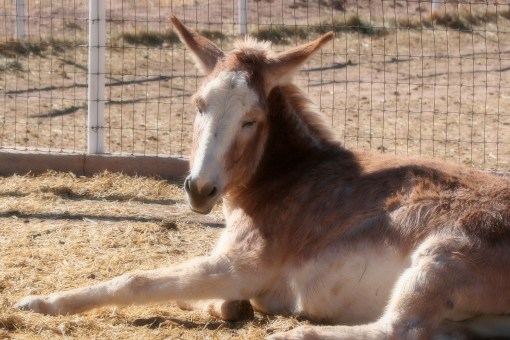
Our sleeping beauty:
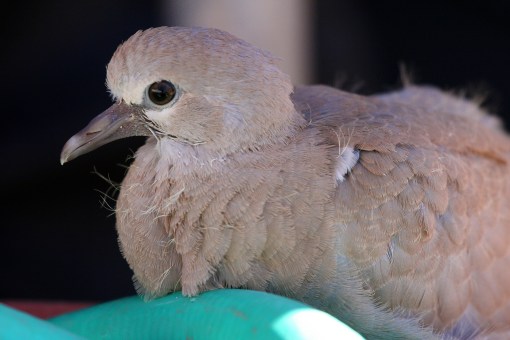
Our first baby of 2011:
Share this:

October 21, 2011
The cacophony is back
Posted by Morning Bray under Birds | Tags: birds, sandhill cranes |[32] Comments
We’re excited. They’ve been returning in waves over the last few days.
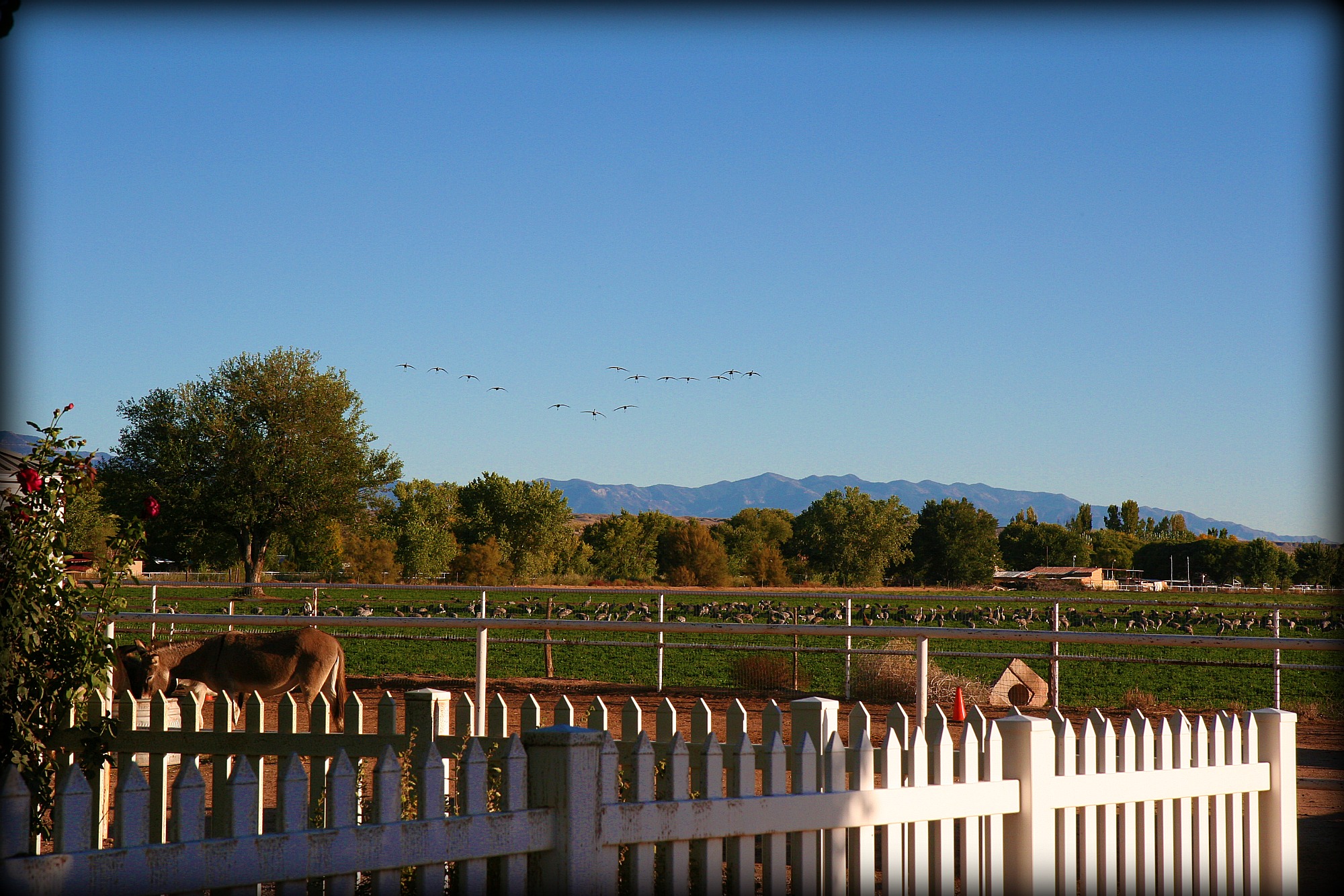
The sandhill cranes are back.
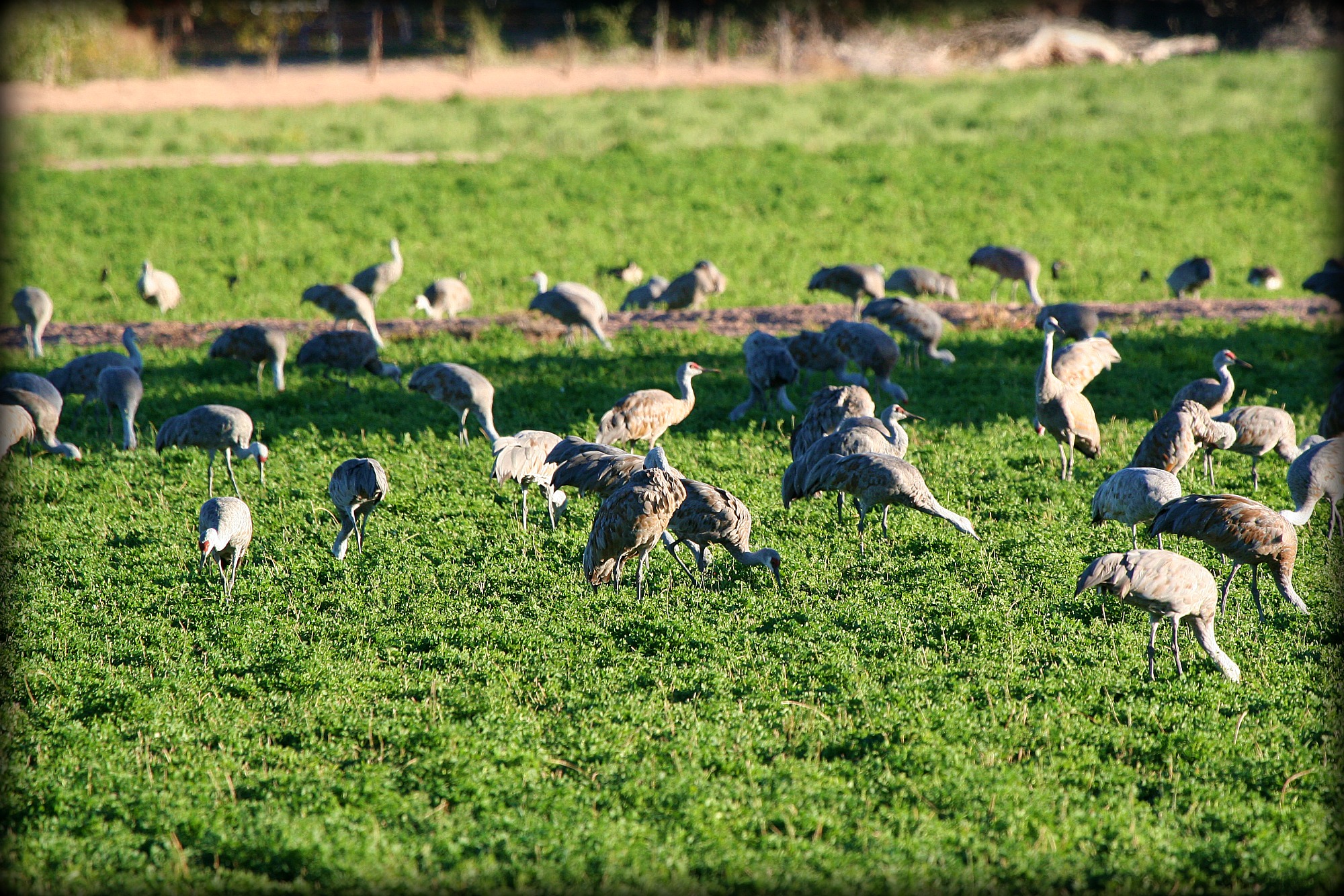
I remember reading somewhere that they are one of the loudest, if not the loudest bird species.
Here’s what we’ve been listening to:  |
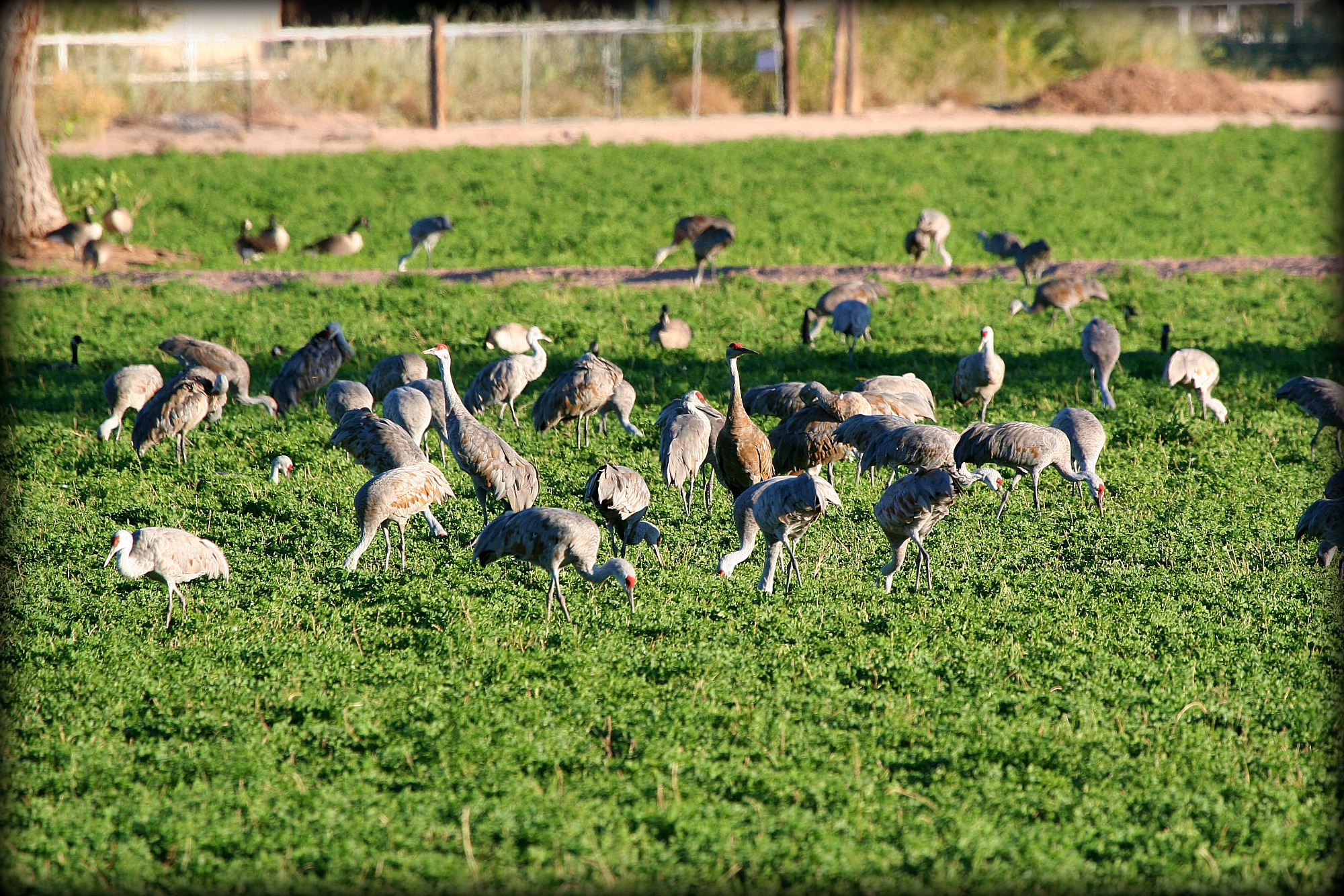
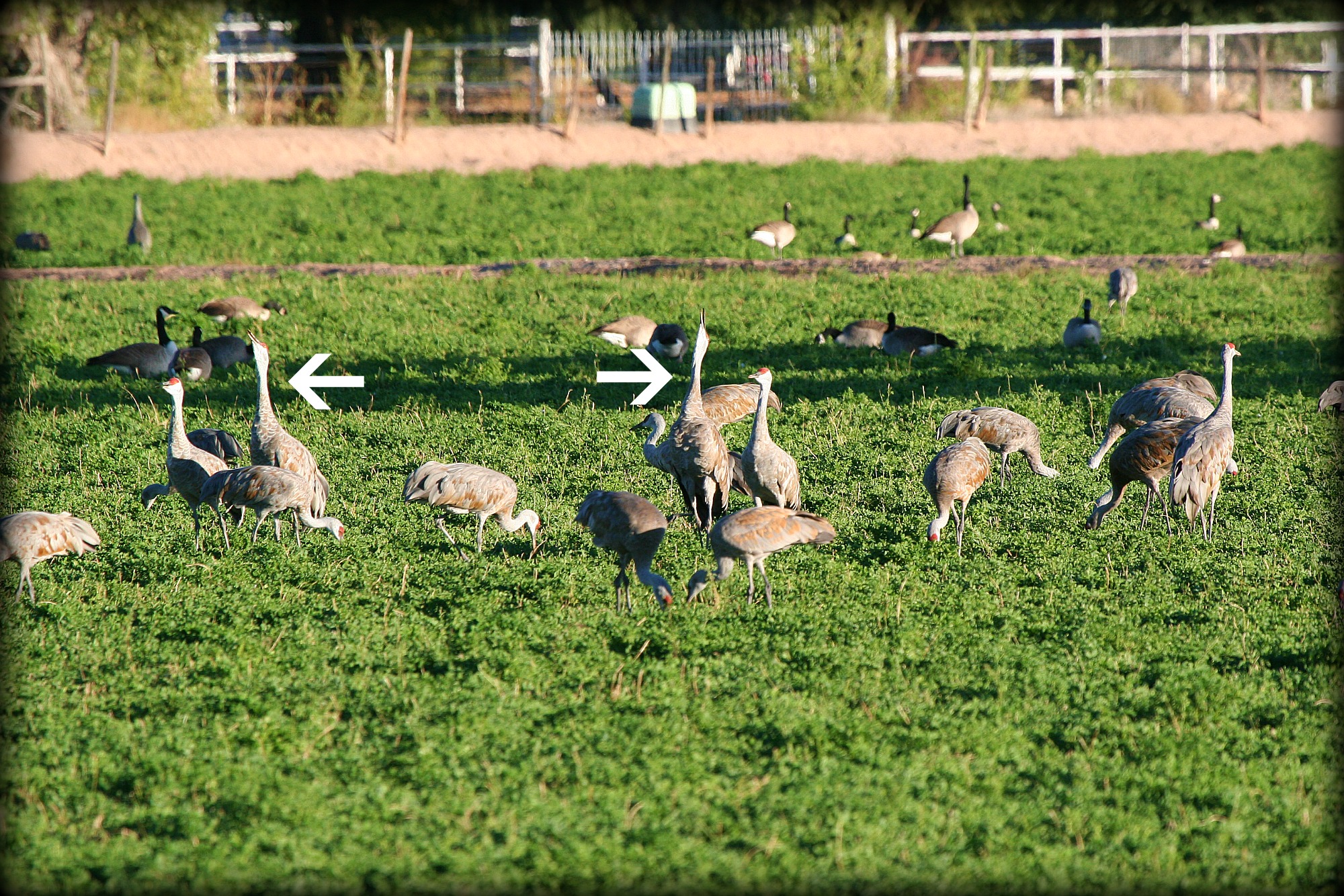
This is their unison call. Unison calls are produced by a pair of birds. This call, performed with the birds standing close to each other and in a synchronized duet, is a way of reinforcing the pair bond between a female and a male bird. It may also be used by a pair to threaten predators or other cranes.
Share this:

August 1, 2011
On par with Octomom
Posted by Morning Bray under Birds | Tags: Gladys, guinea, guinea hen, keets, Octomom |[25] Comments
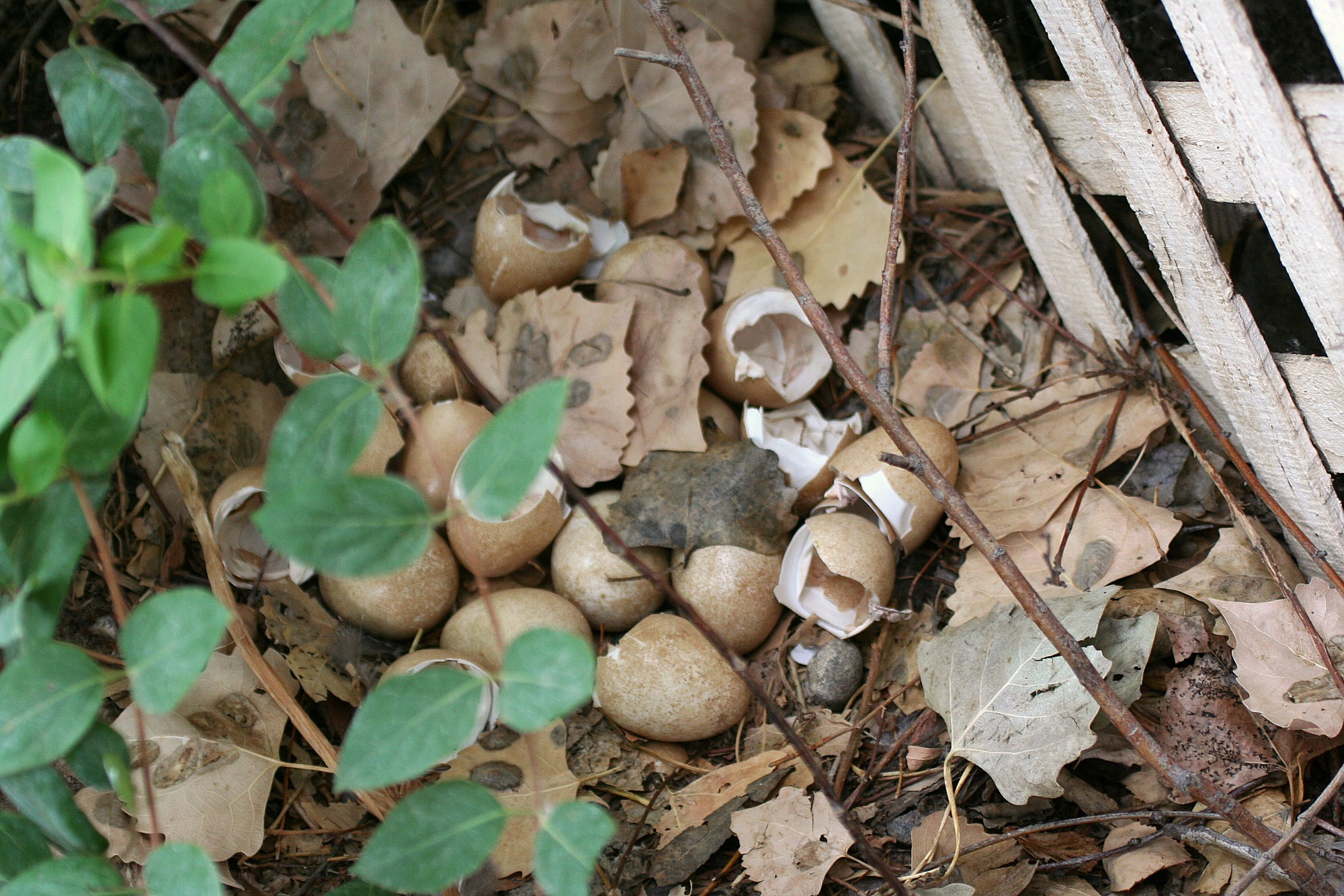
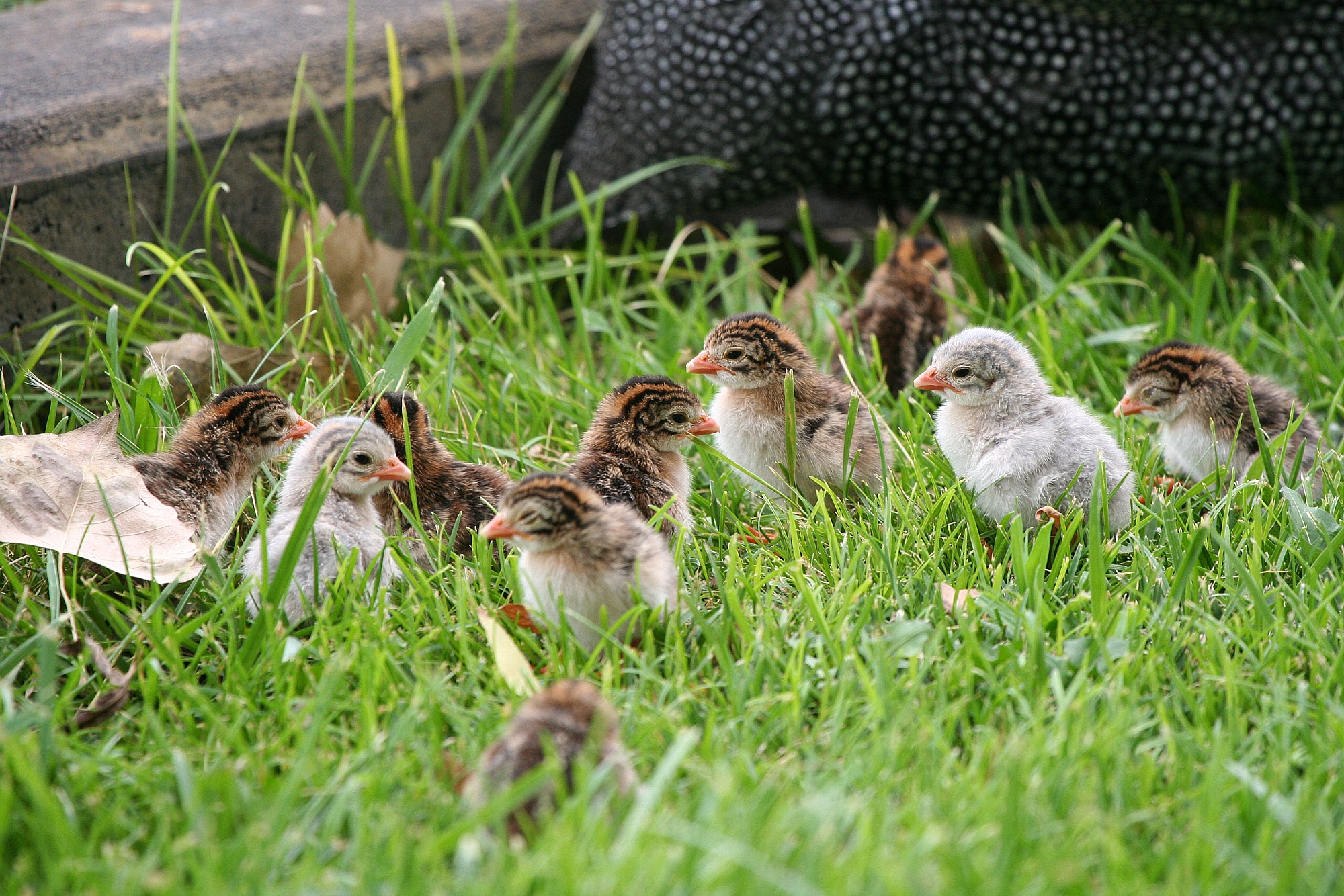
Even though I only count 13 in this picture, we counted a total of 14 keets on Friday afternoon, which puts Gladys on par with Octomom.

We don’t know that she’s the same Gladys that got broody in our barn last fall, but this time, she hatched her babies.
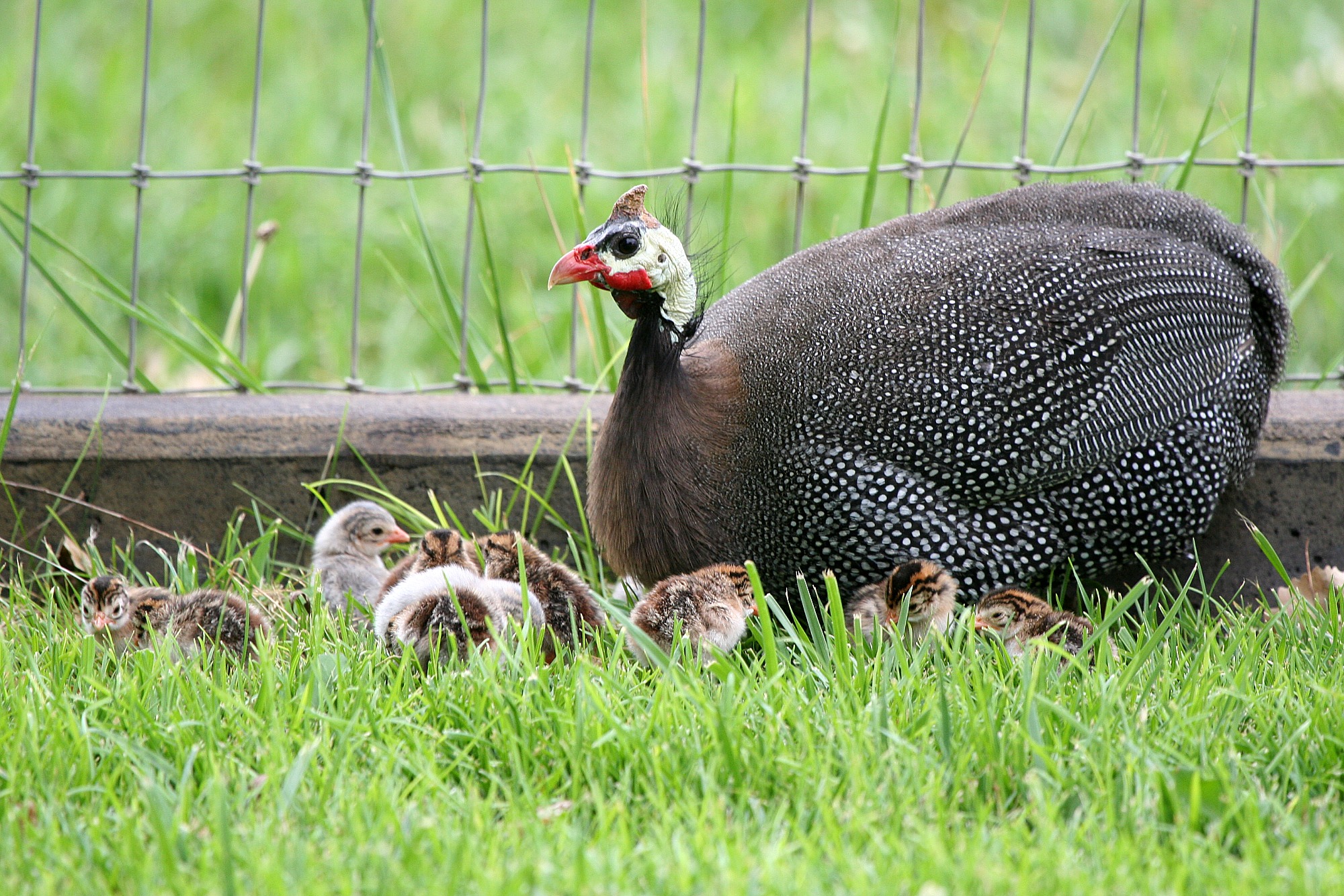
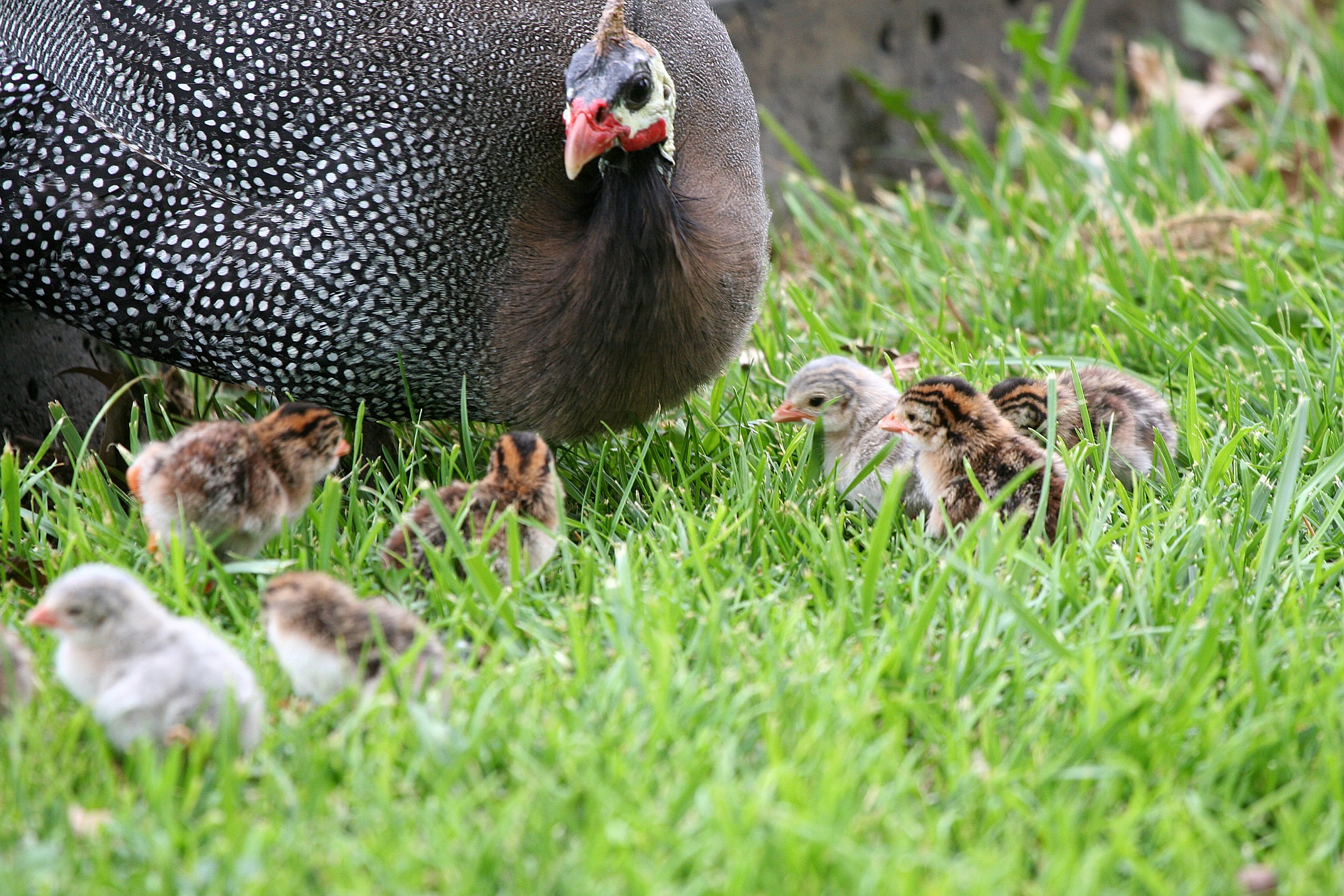
I tend to think this is the same Gladys. She’s very attentive to her babies.

And protective. Just as she was to her nest.
Guinea keets are incredibly cute.
Gladys spent Friday night here with her babies. On Saturday, she returned to Mr. Gladys and the rest of her guinea family in our neighbor’s pasture.
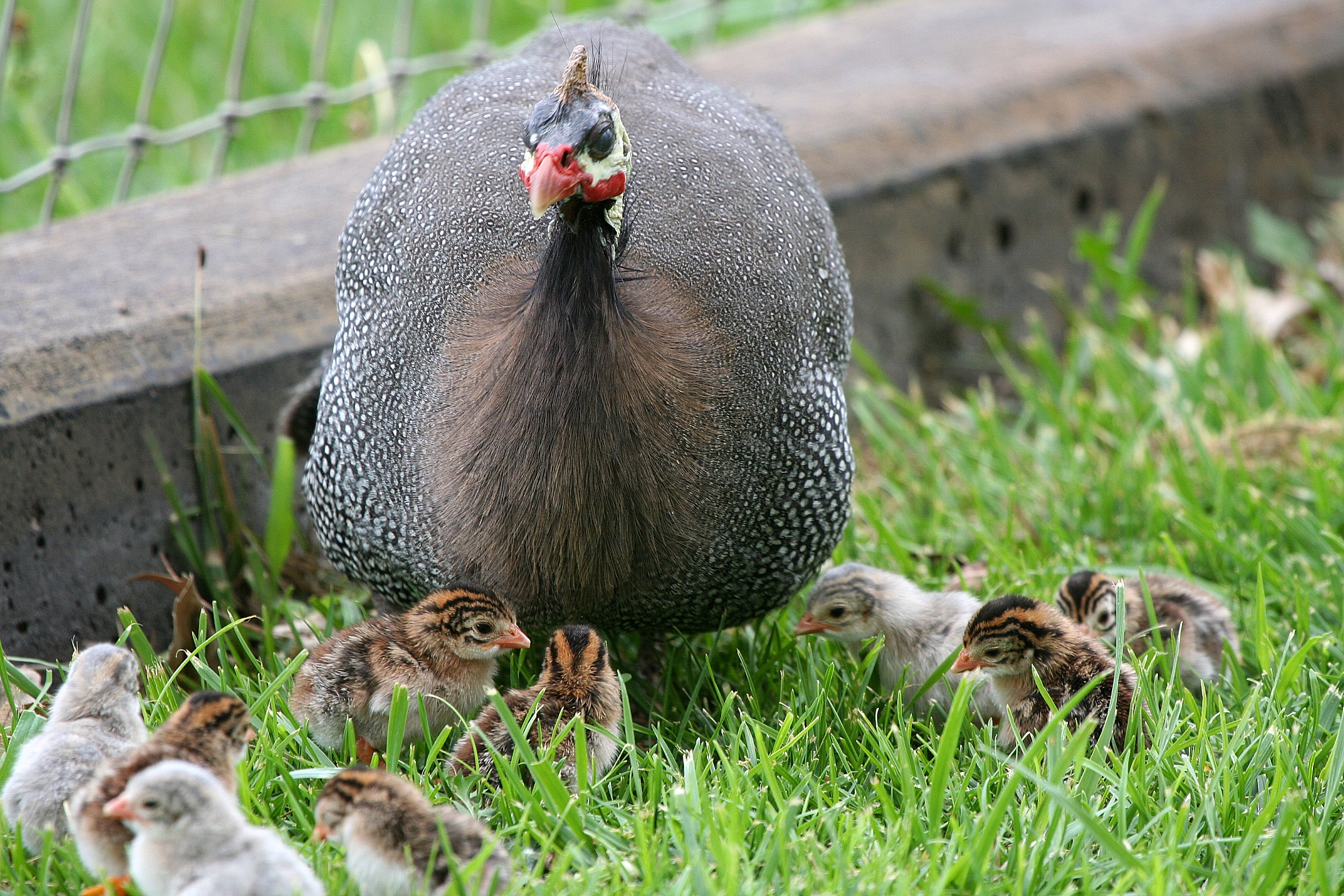
Take good care of those babies, Gladys. We’re glad you were here. ♥
Share this:

July 27, 2011
Wordless Wednesday
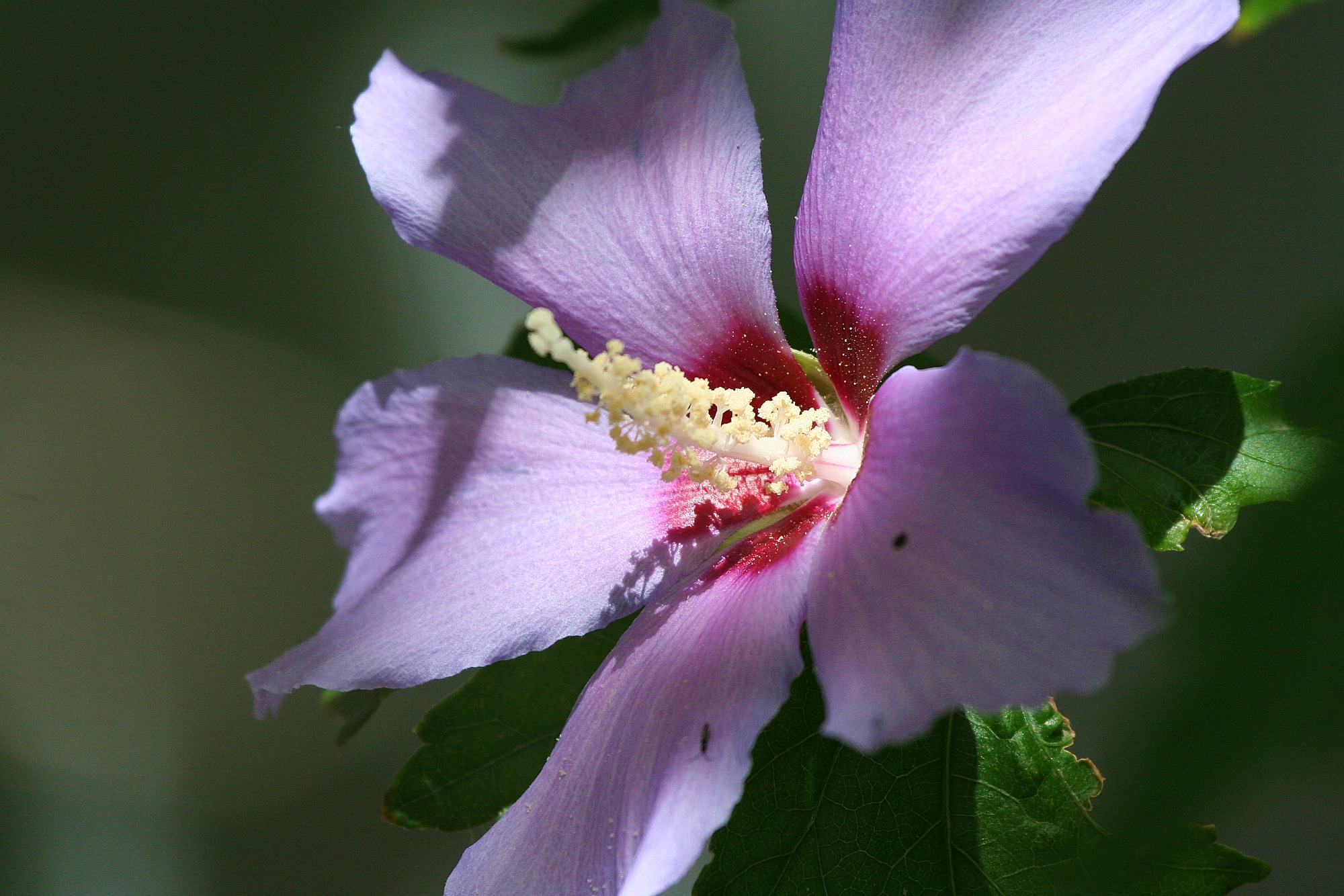
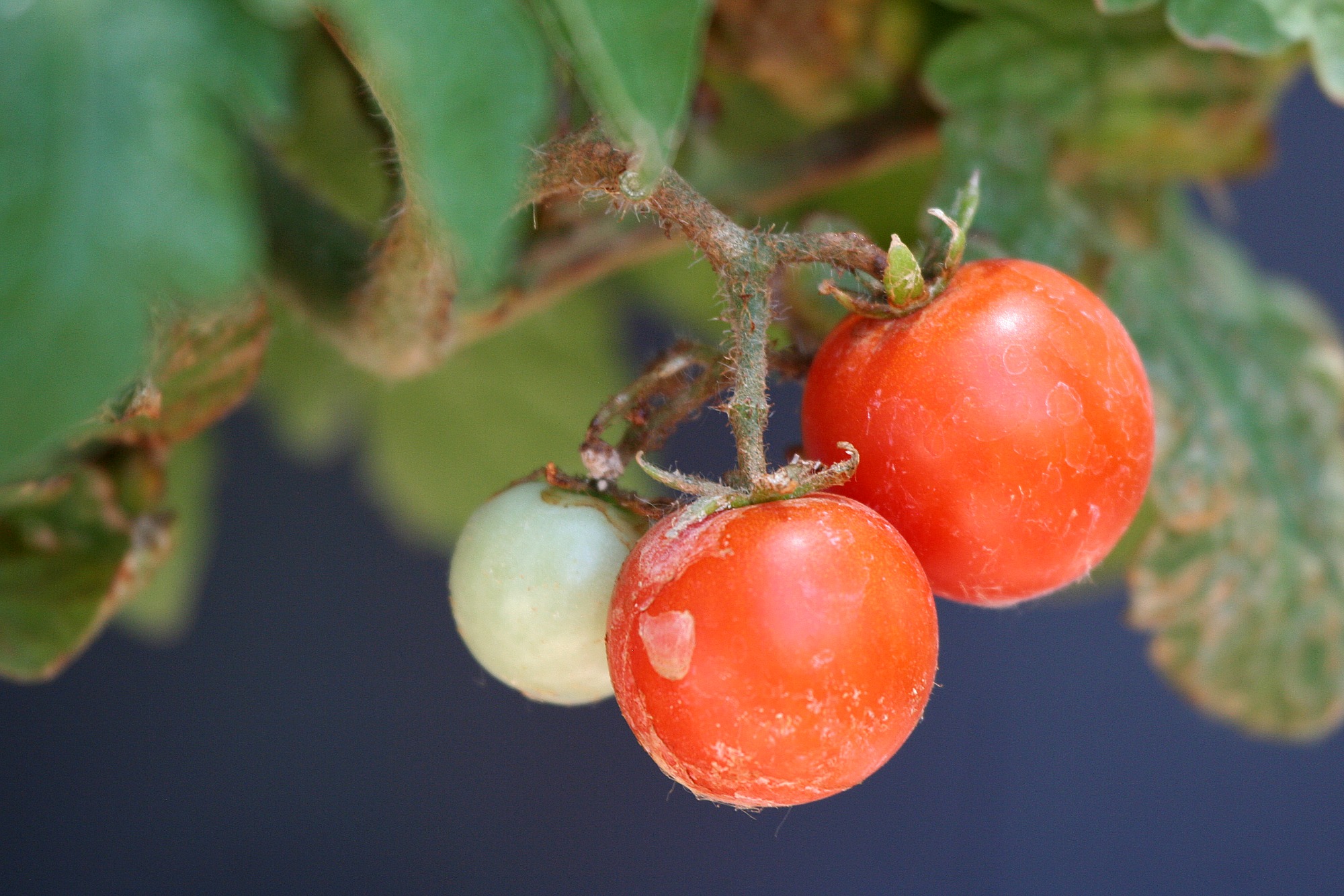
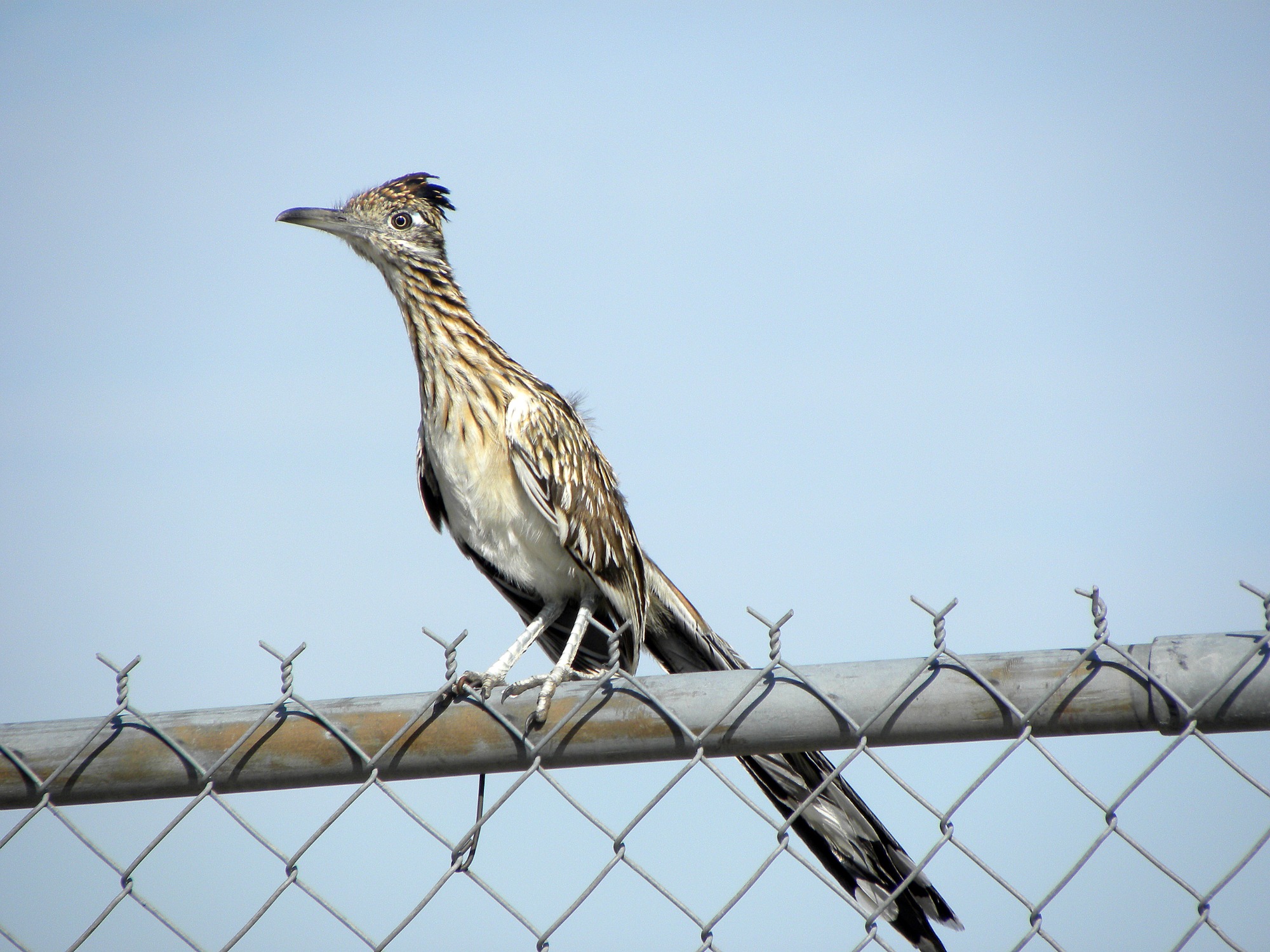
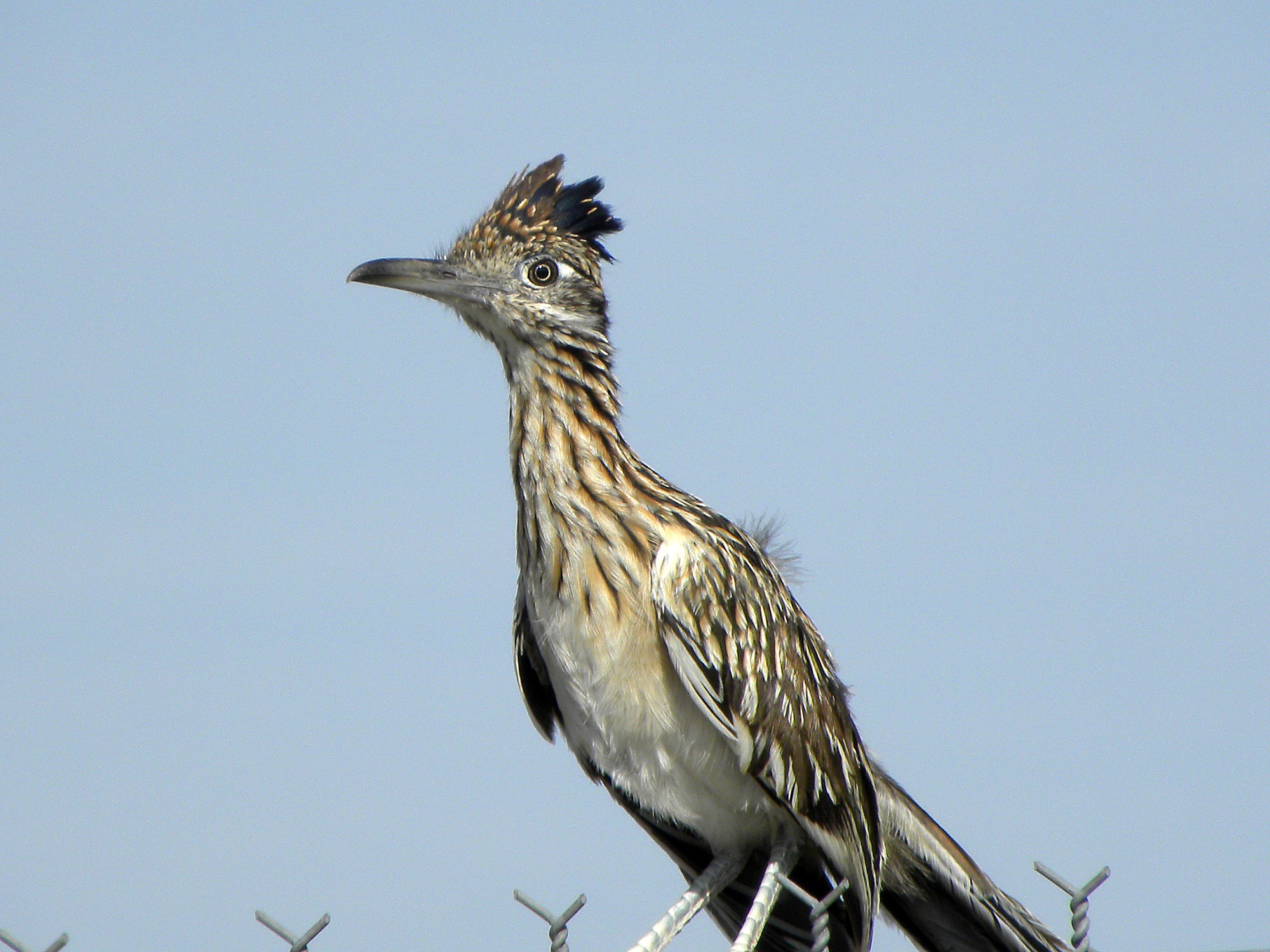
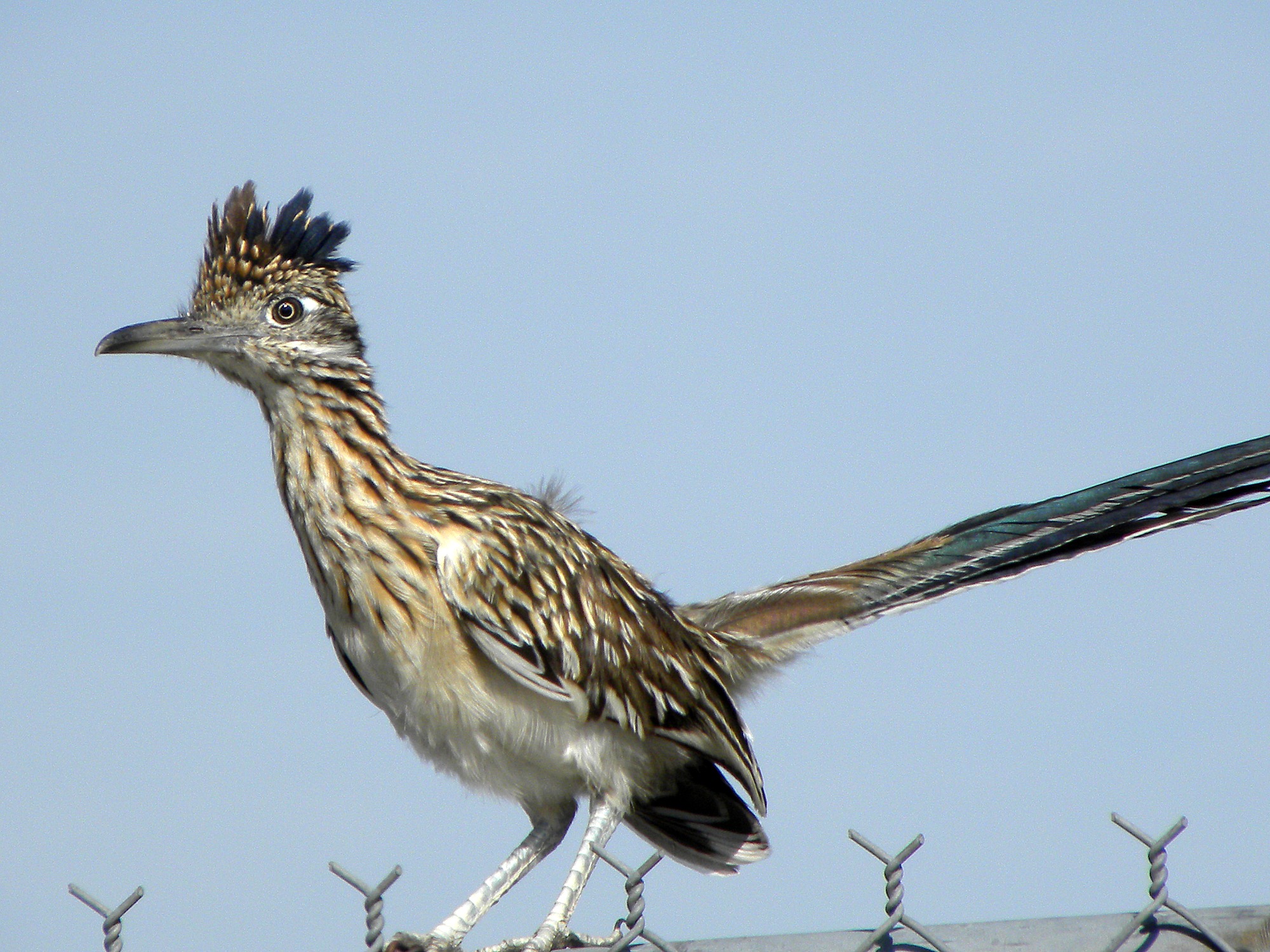
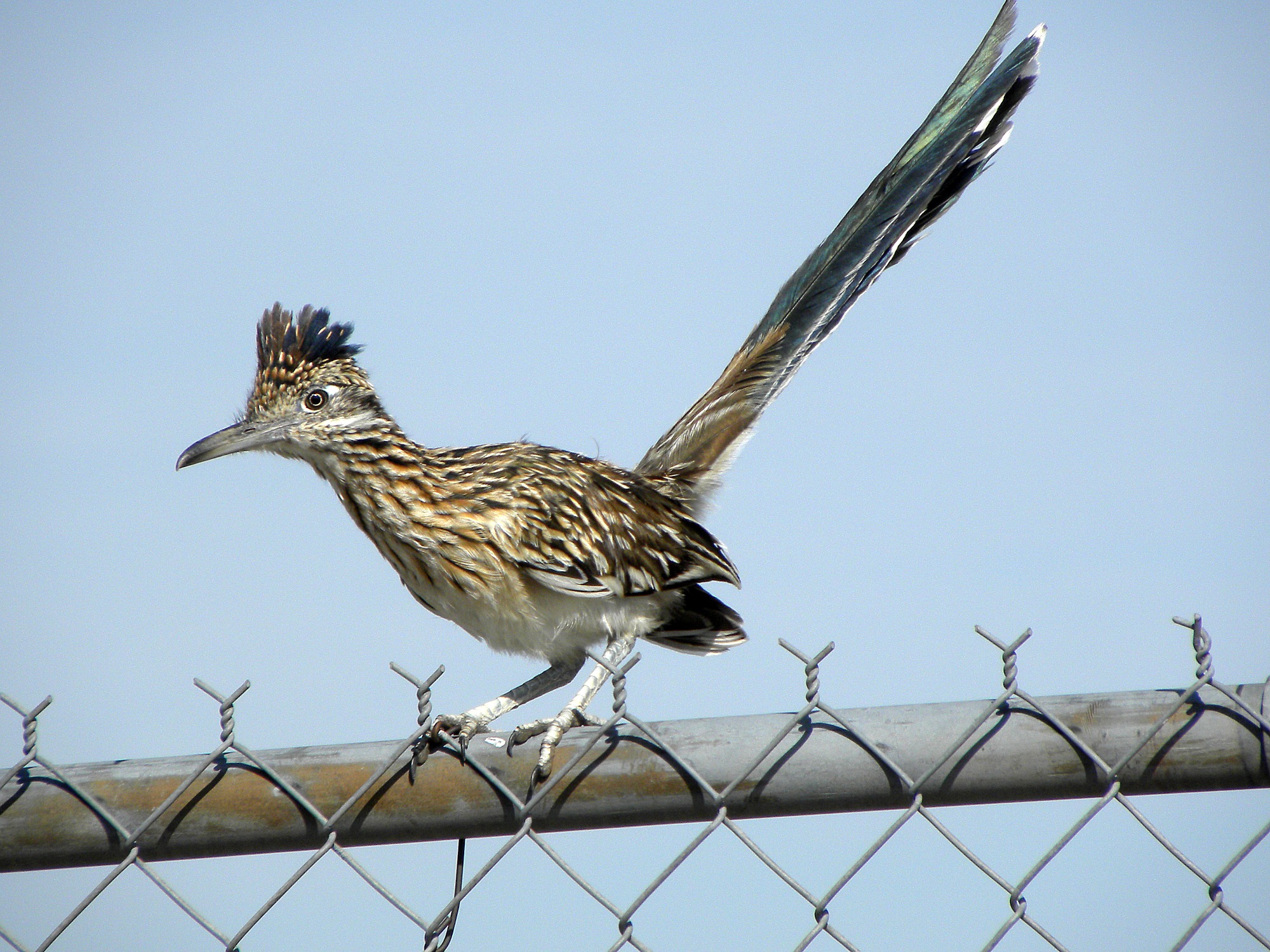
Posted by Morning Bray under Birds, New Mexico, Plants and Flowers | Tags: hibiscus, New Mexico state bird, roadrunner, tomatoes |[24] Comments

July 14, 2011
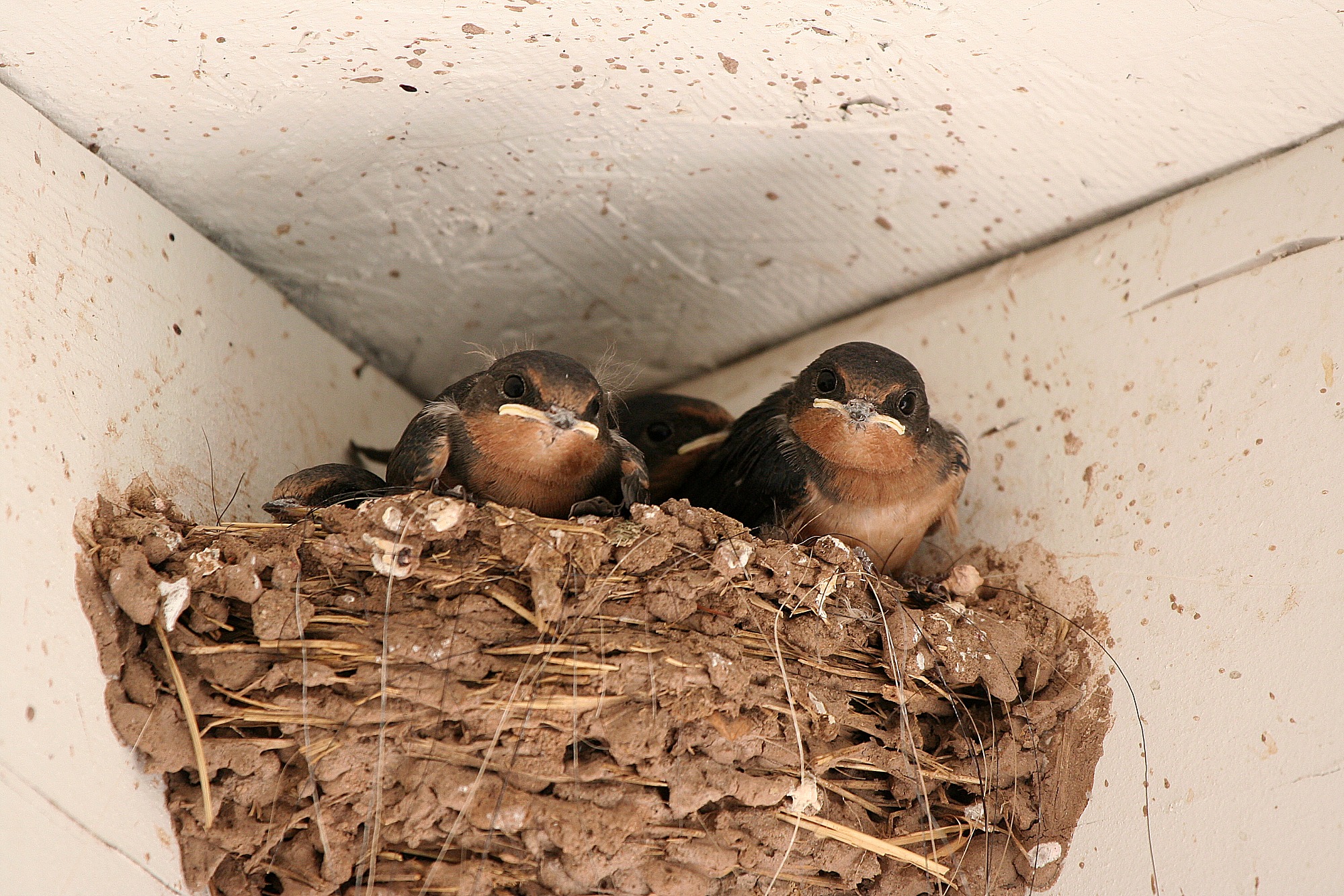
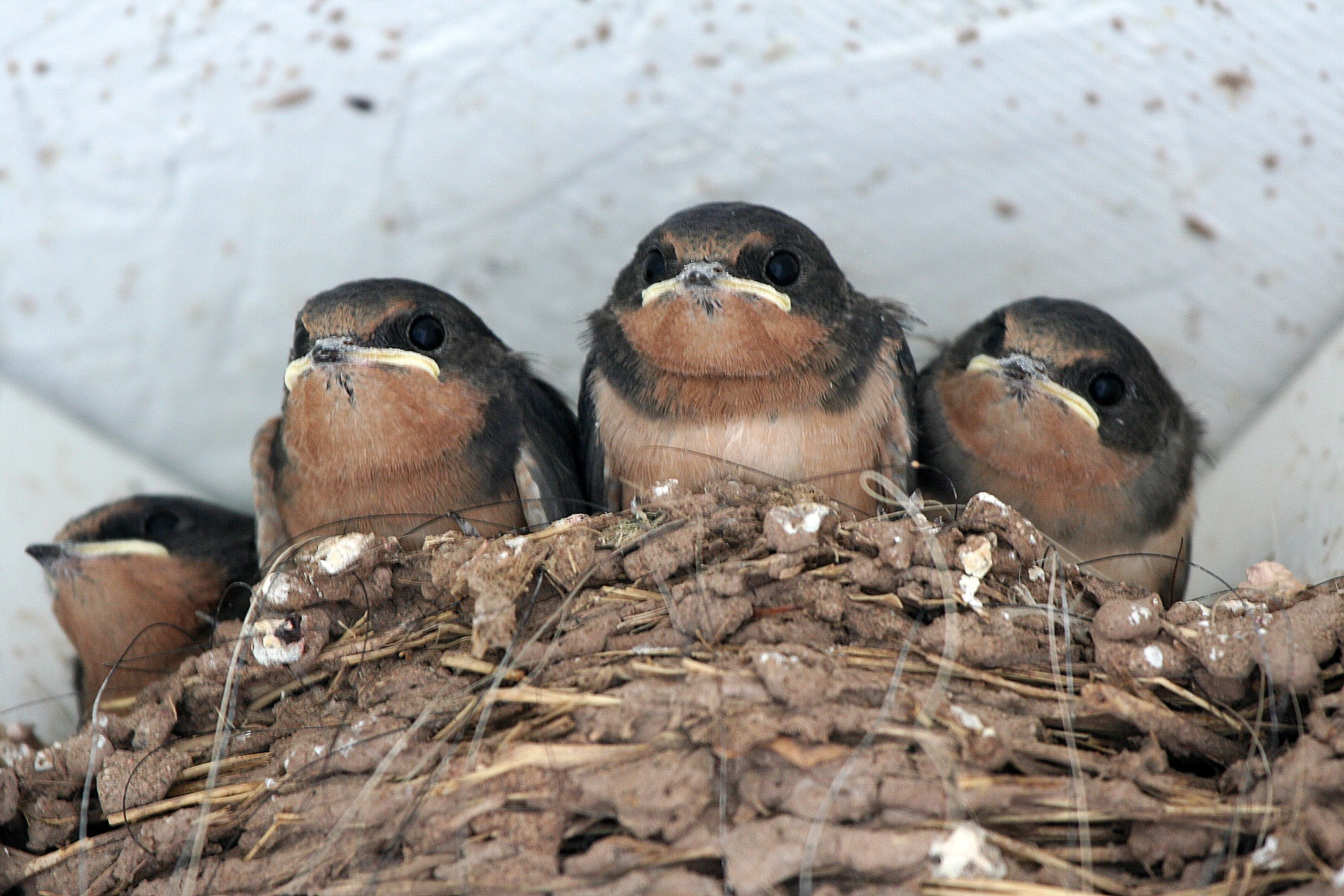
Sons of Cecil
Posted by Morning Bray under Birds | Tags: baby birds, barn swallows, Cecil, Sons of Cecil |[25] Comments


July 9, 2011
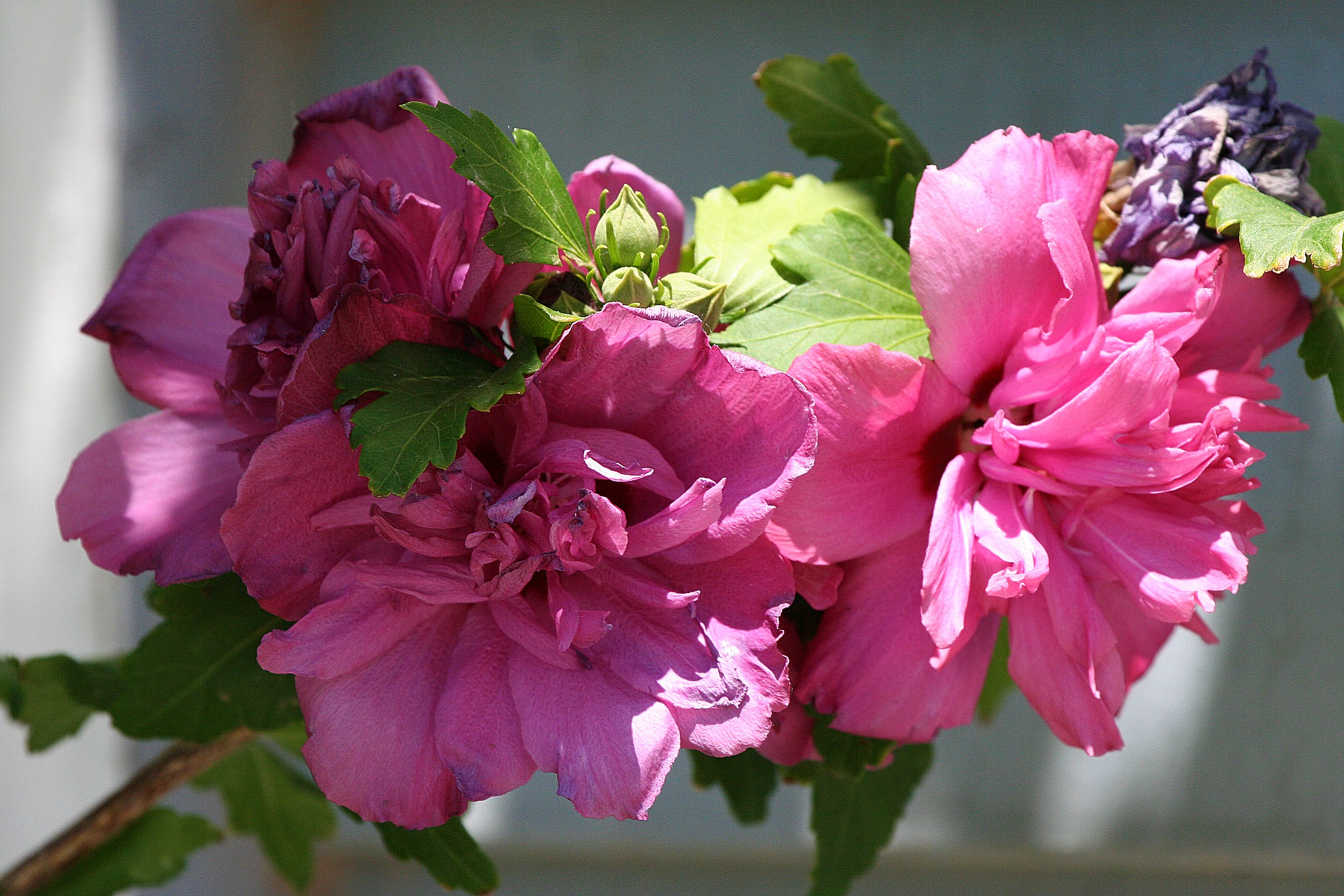
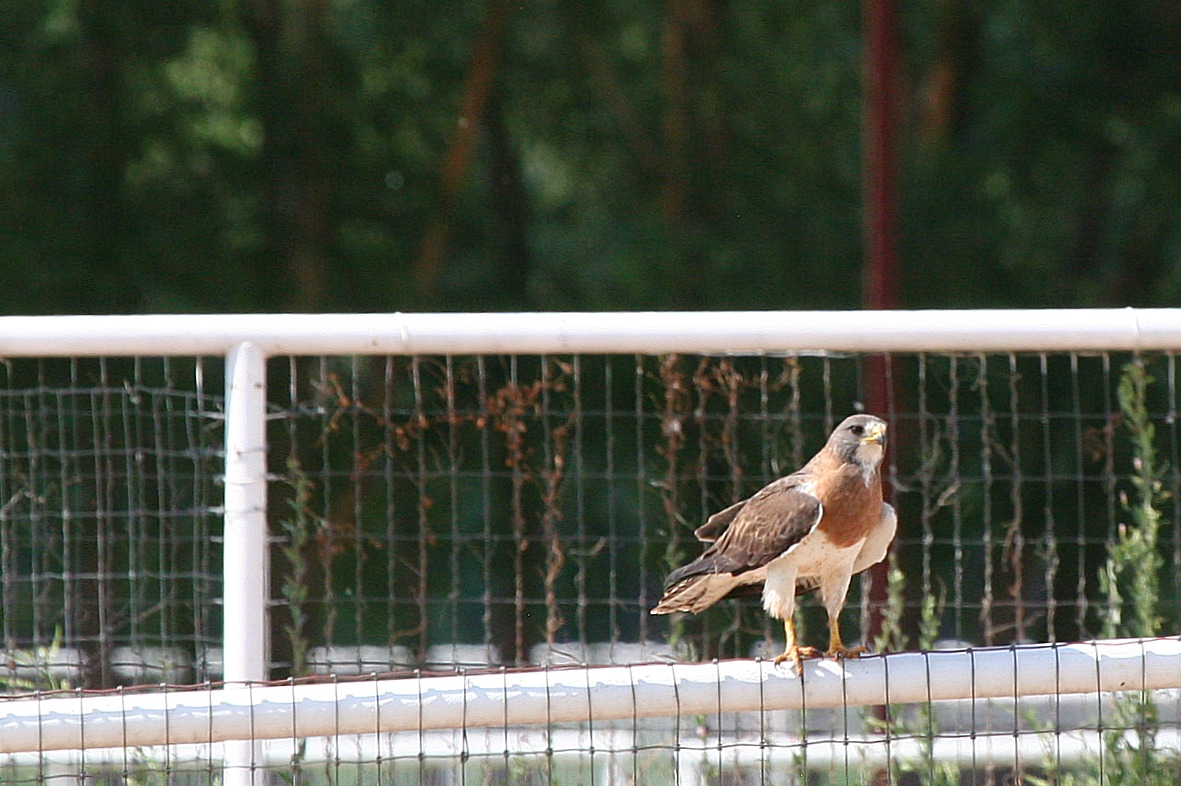
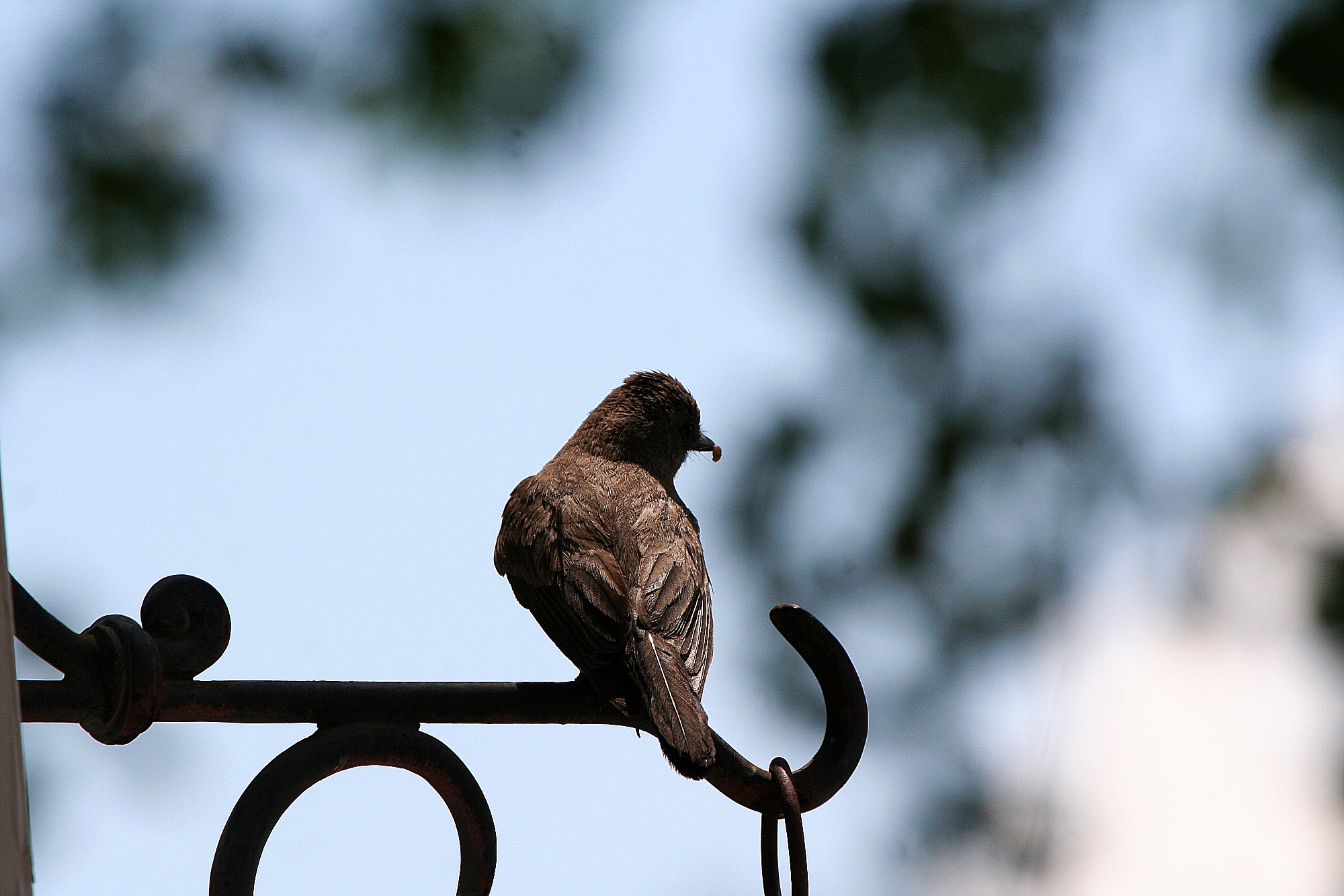
Saturday Stuff – Around the farm this week
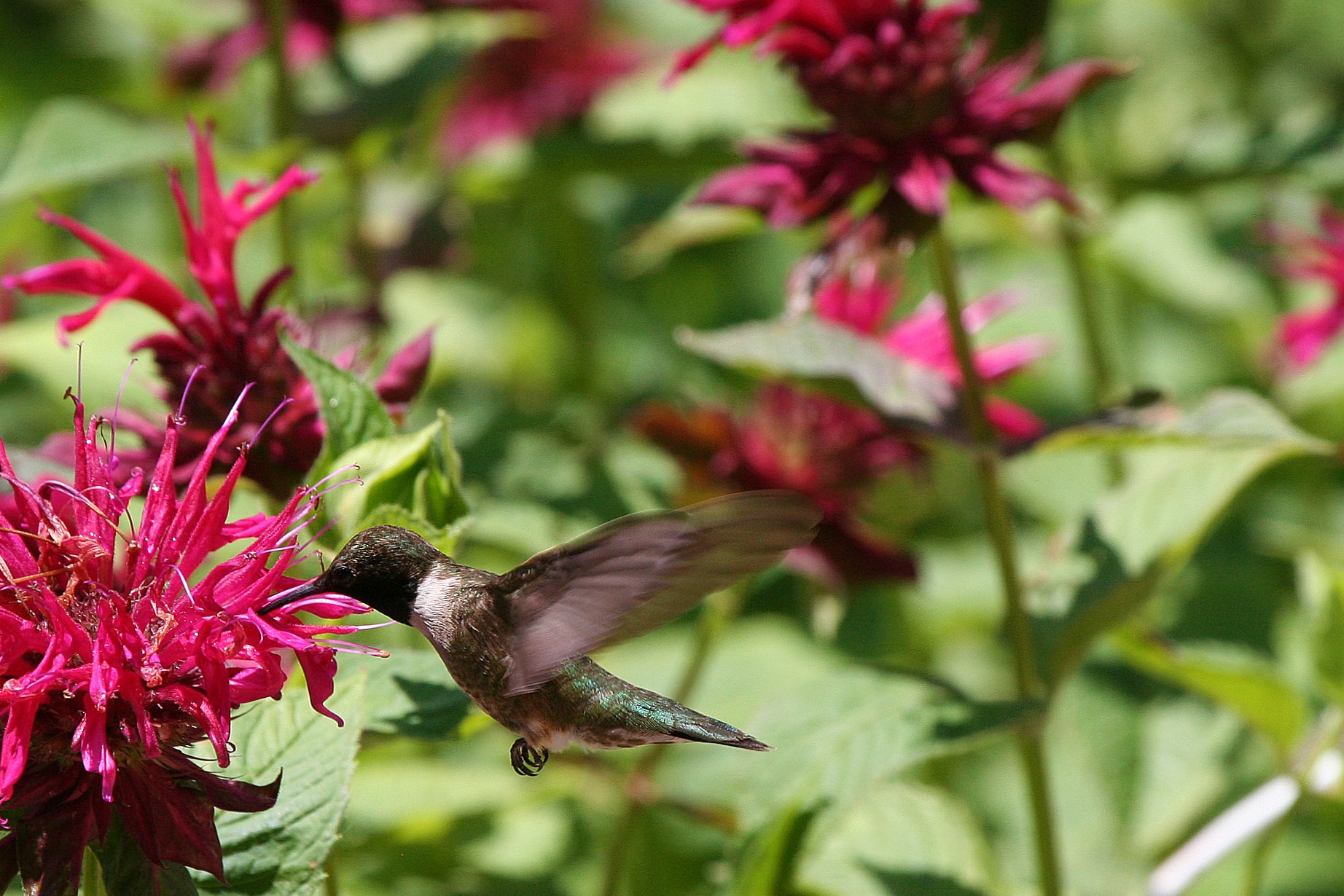
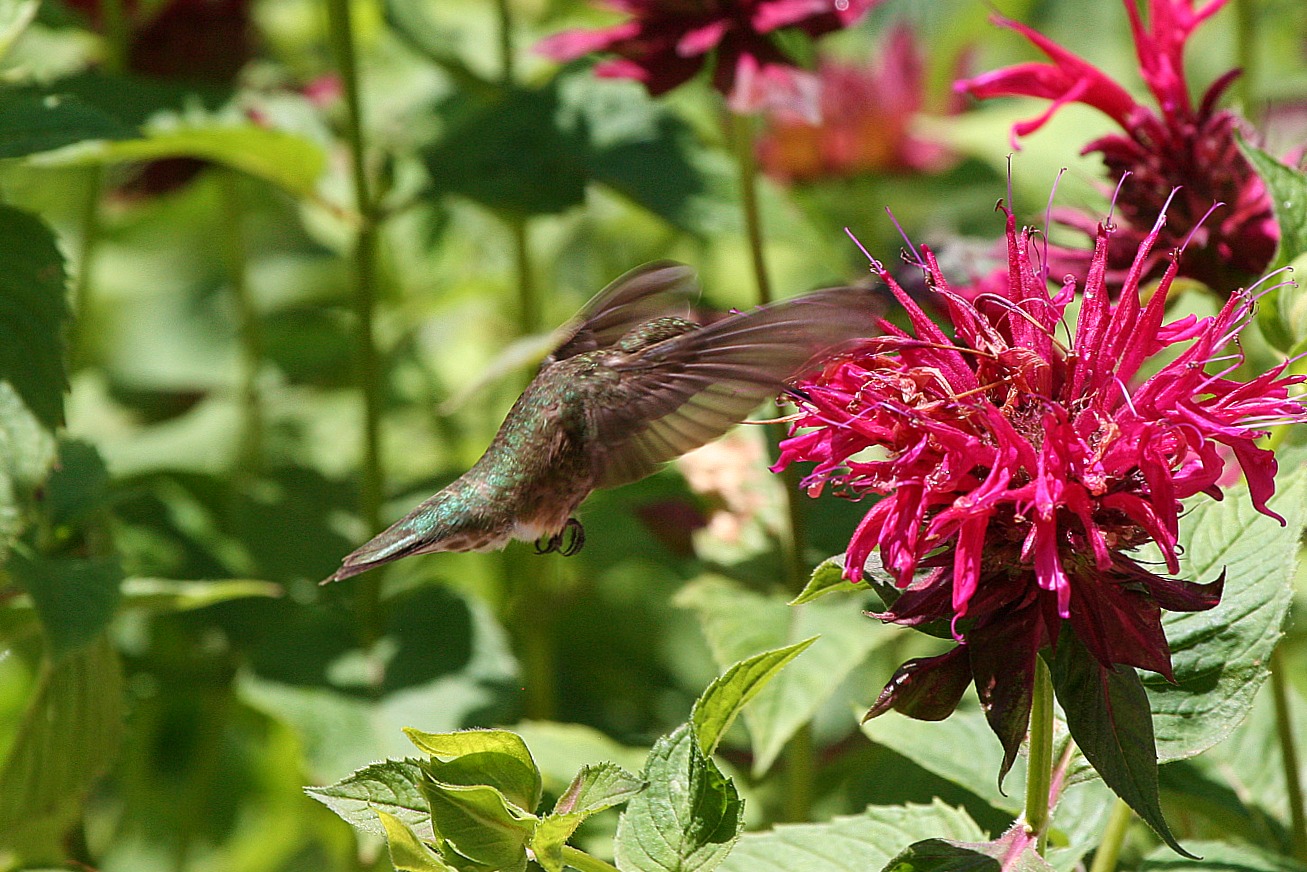
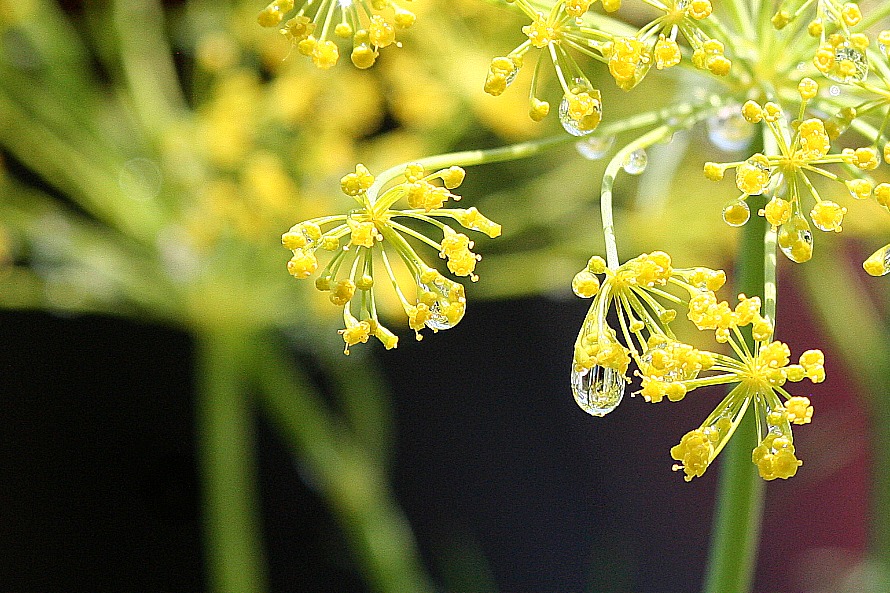
Posted by Morning Bray under Birds, Plants and Flowers, Saturday Parts & Stuff | Tags: dill, hummingbird, red-tailed hawk, Rose of Sharon |[25] Comments

April 4, 2011
Downy Woodpecker
Posted by Morning Bray under Birds | Tags: bird, birds, Downy Woodpecker, woodpecker |[13] Comments


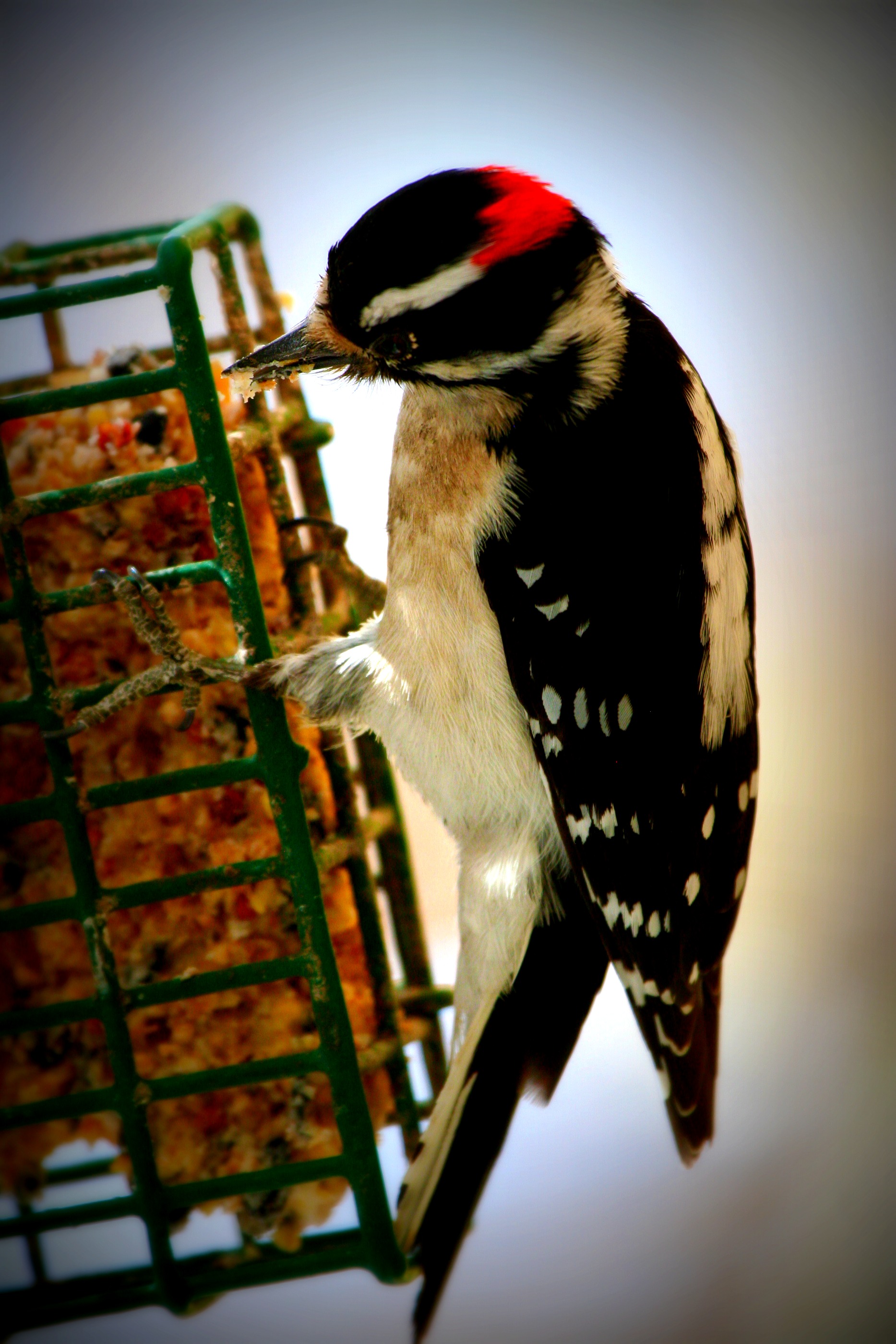
The interesting facts from whatbird.com:
- A group of woodpeckers has many collective nouns, including a “descent”, “drumming”, and “gatling” of woodpeckers.
- As the smallest North American woodpecker, the Downy can drill cavities in dead trees or limbs that measure as little as 10 cm around. This means that it can live in a wider range of habitat than can larger woodpeckers.
- Males tend to feed in the tops of trees on branches that are small in diameter, females feed midlevel and lower on larger diameter branches.
- The Downy Woodpecker uses sources of food that larger woodpeckers cannot, such as the insect fauna on weed stems.
Share this:

March 10, 2011
The driver of nature
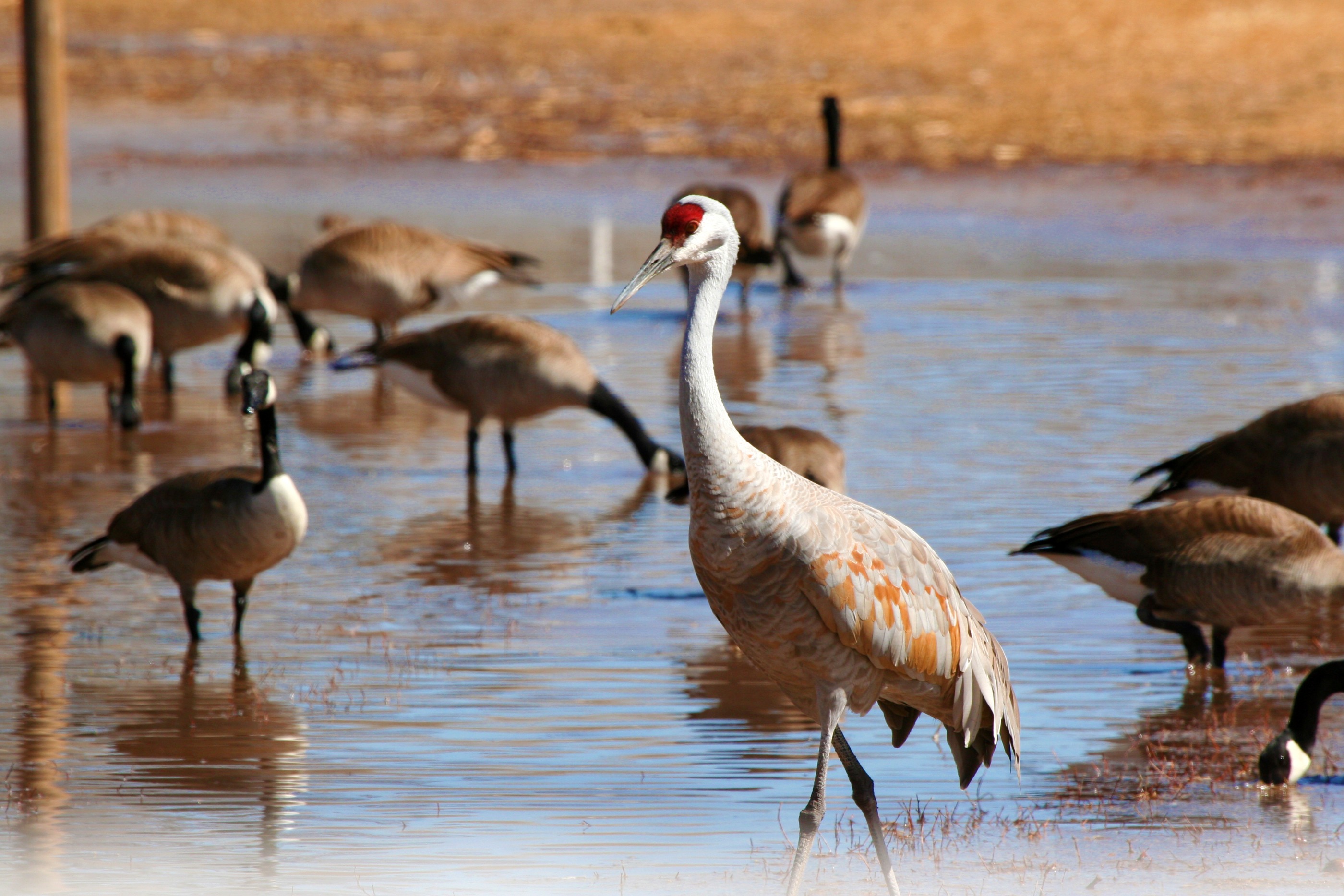
Posted by Morning Bray under Birds, Farm | Tags: birds, Canada Geese, ducks, irrigation, Middle Rio Grande Conservancy District, sandhill cranes |[24] Comments
Water is the driver of nature.
– Leonardo da Vinci
As of last week, the Middle Rio Grande Conservancy District is moving water again.
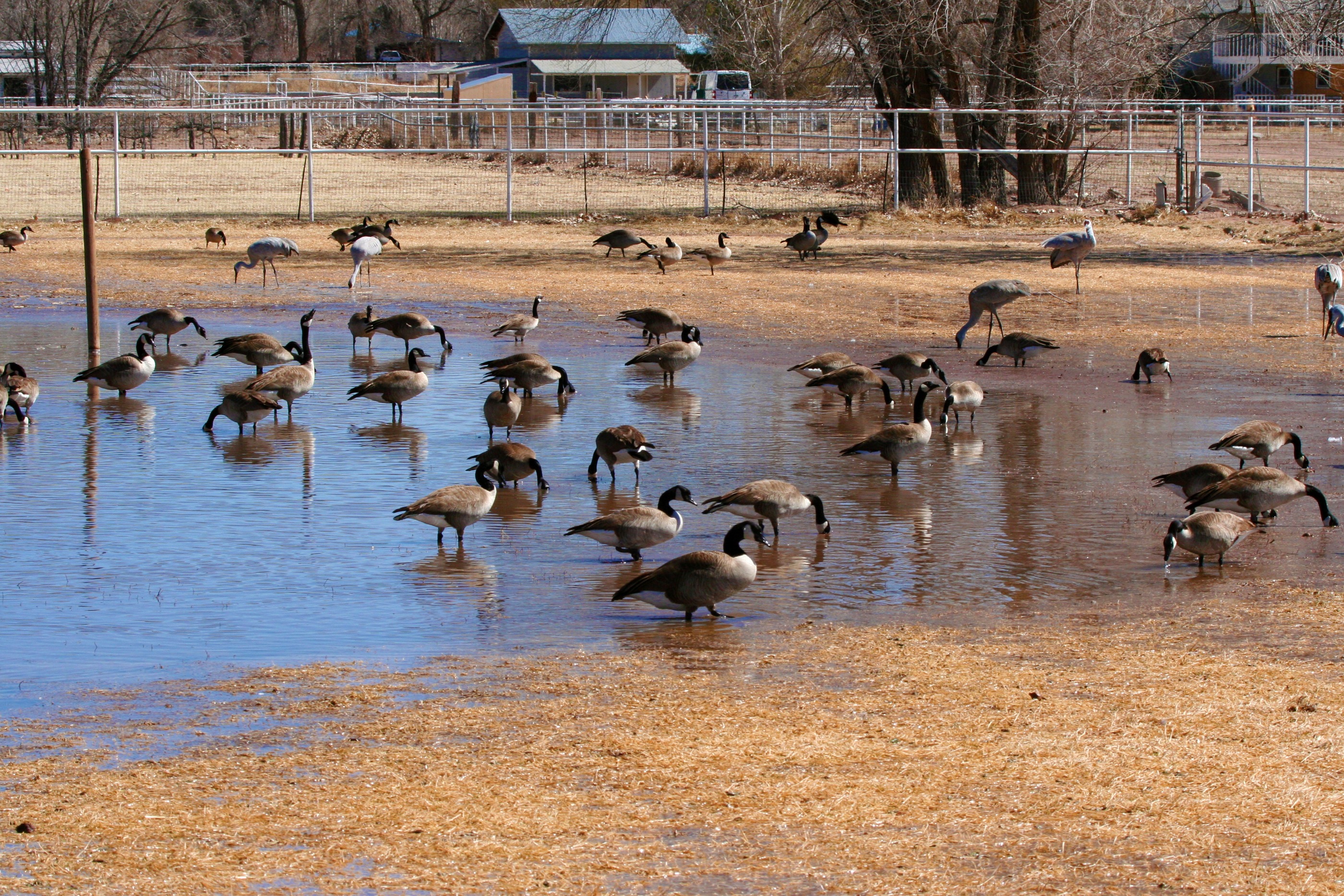
Irrigation season has begun.
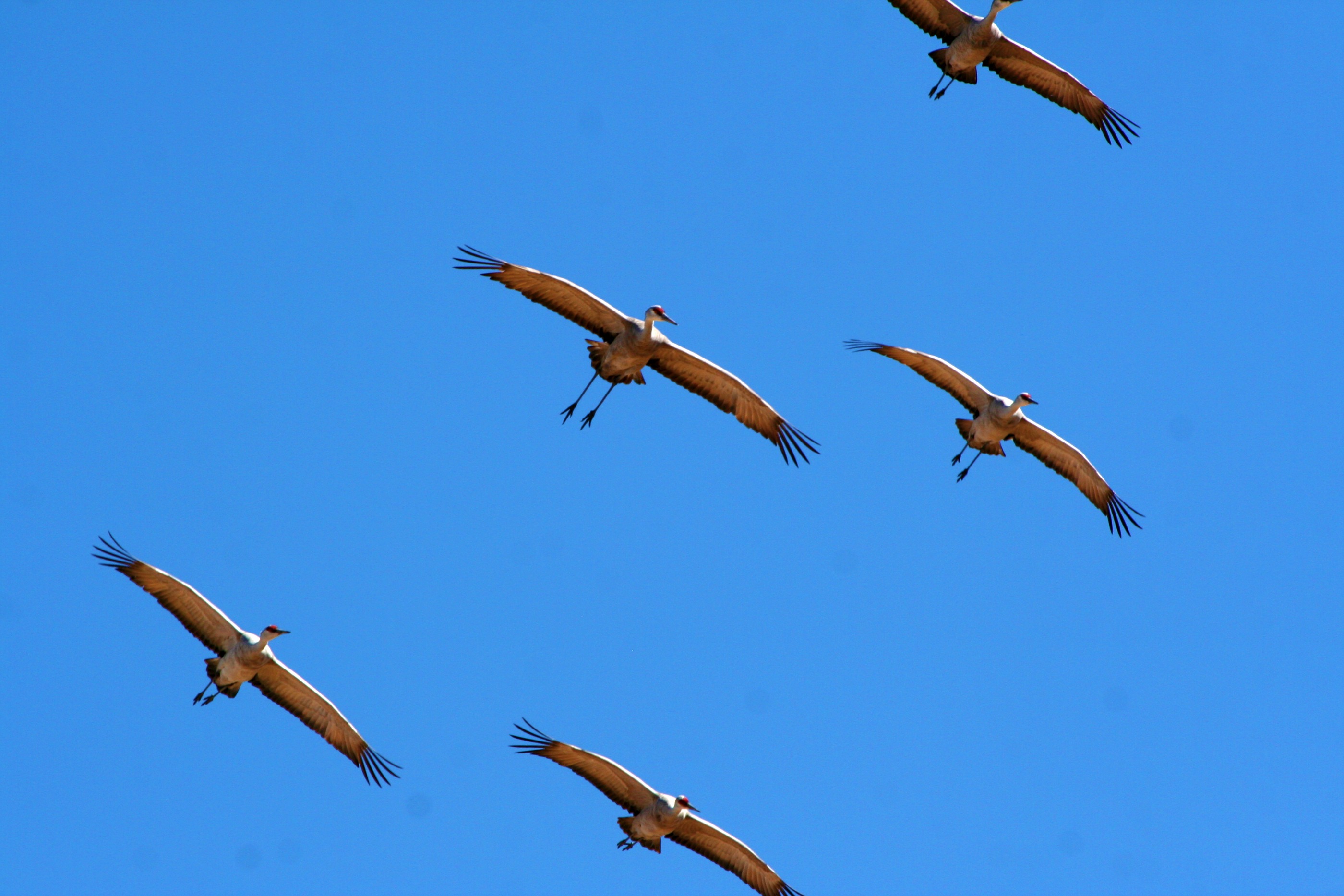
Change is coming and excitement is in the air.
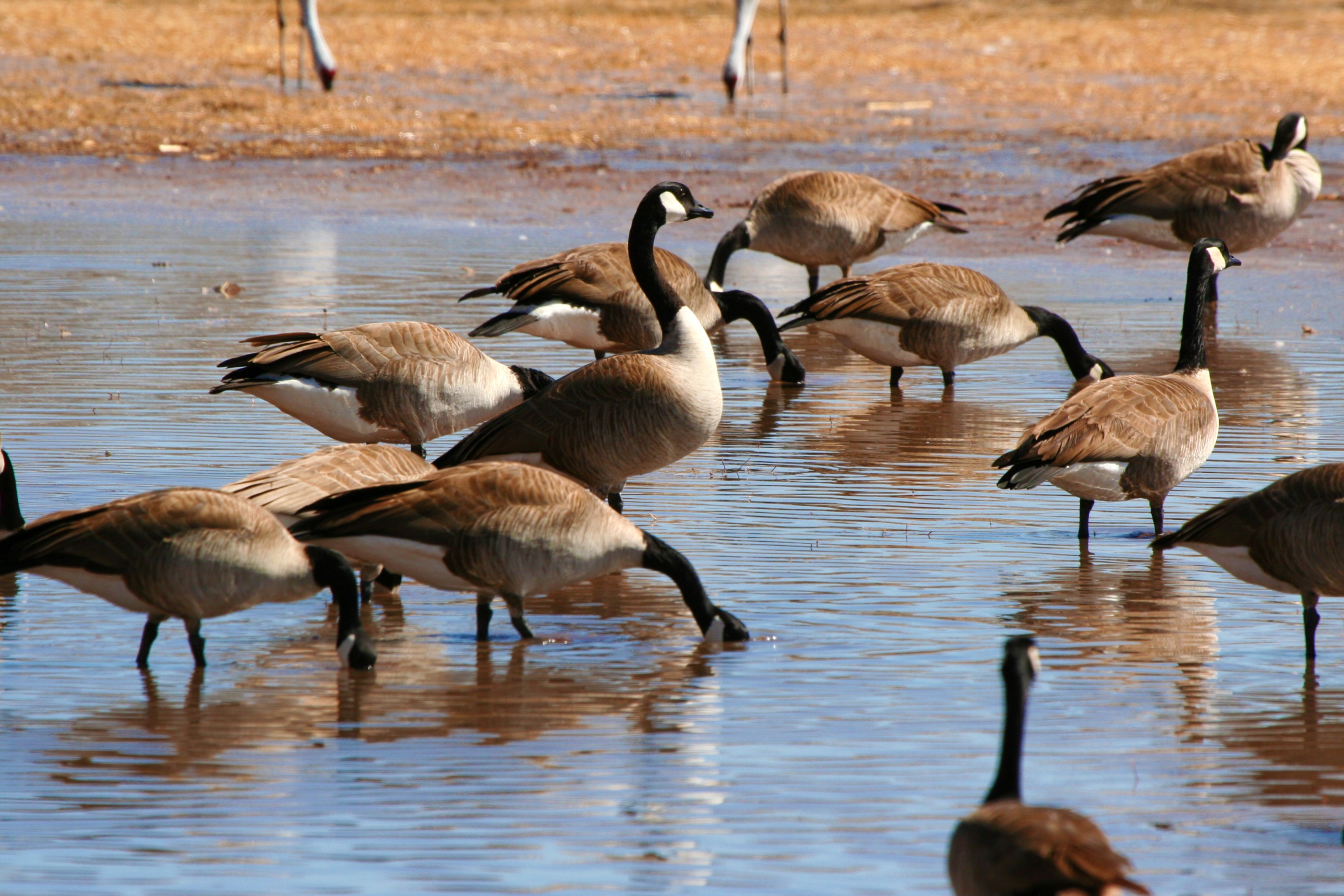
There’s a party going on…
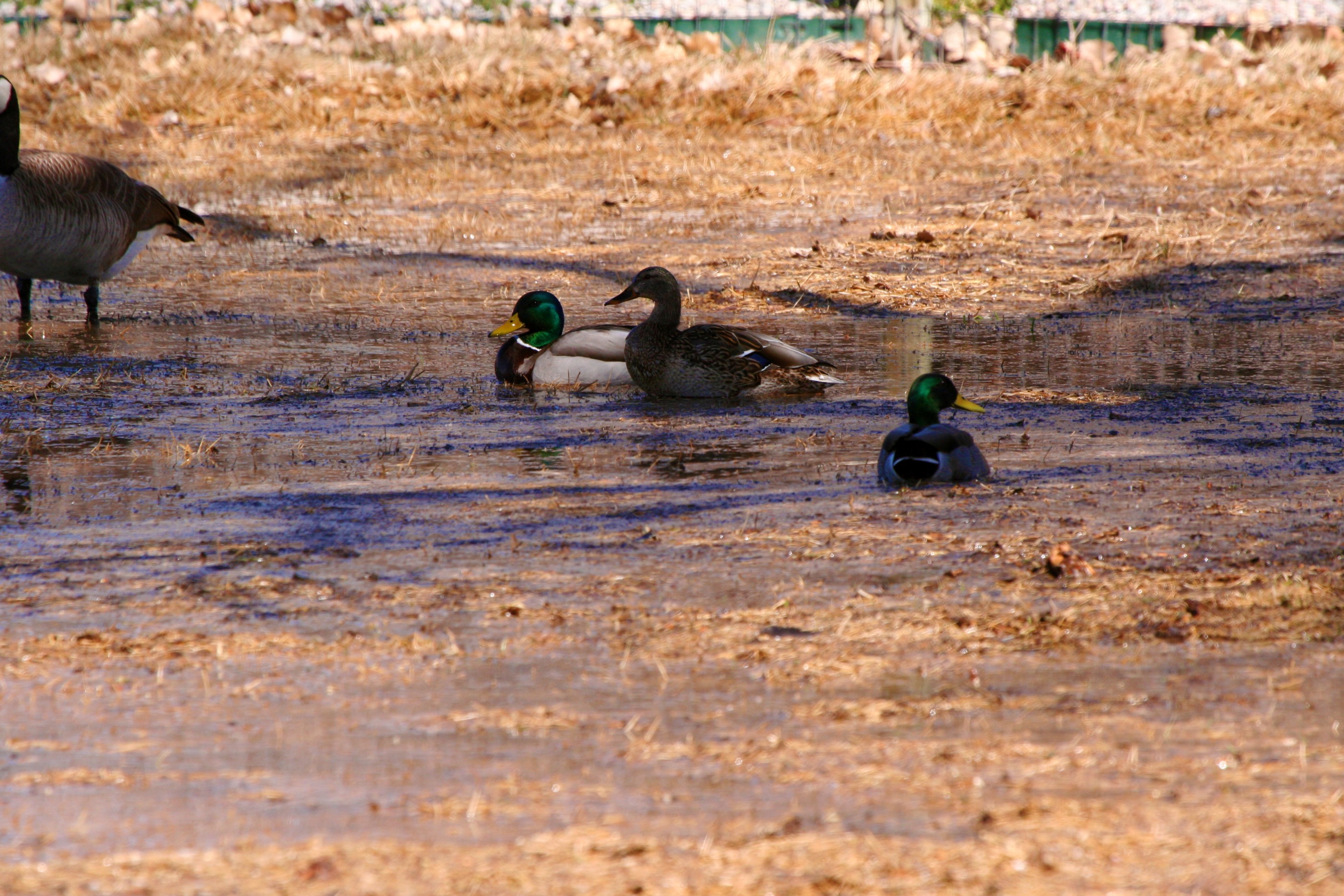
…and everyone’s invited.
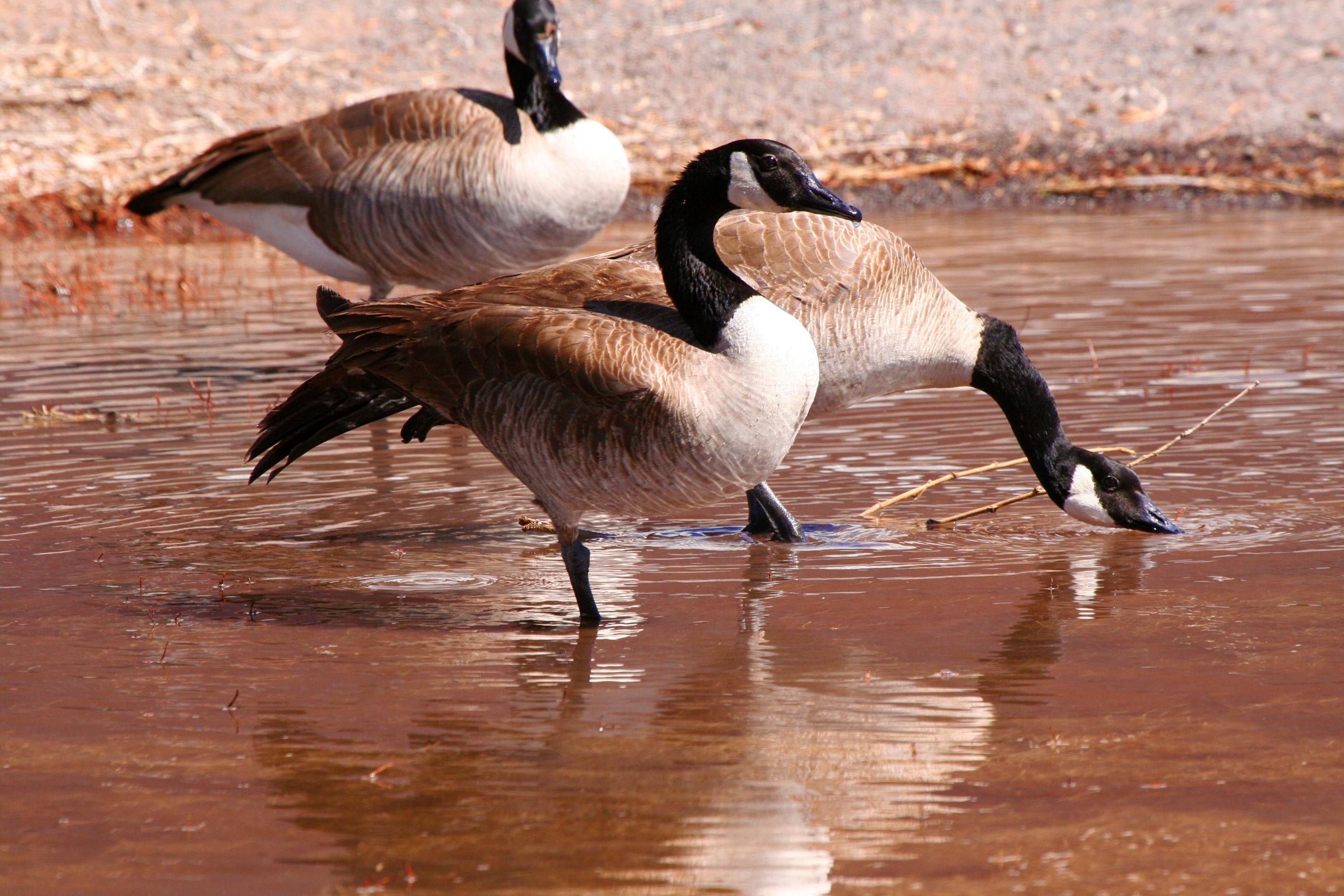
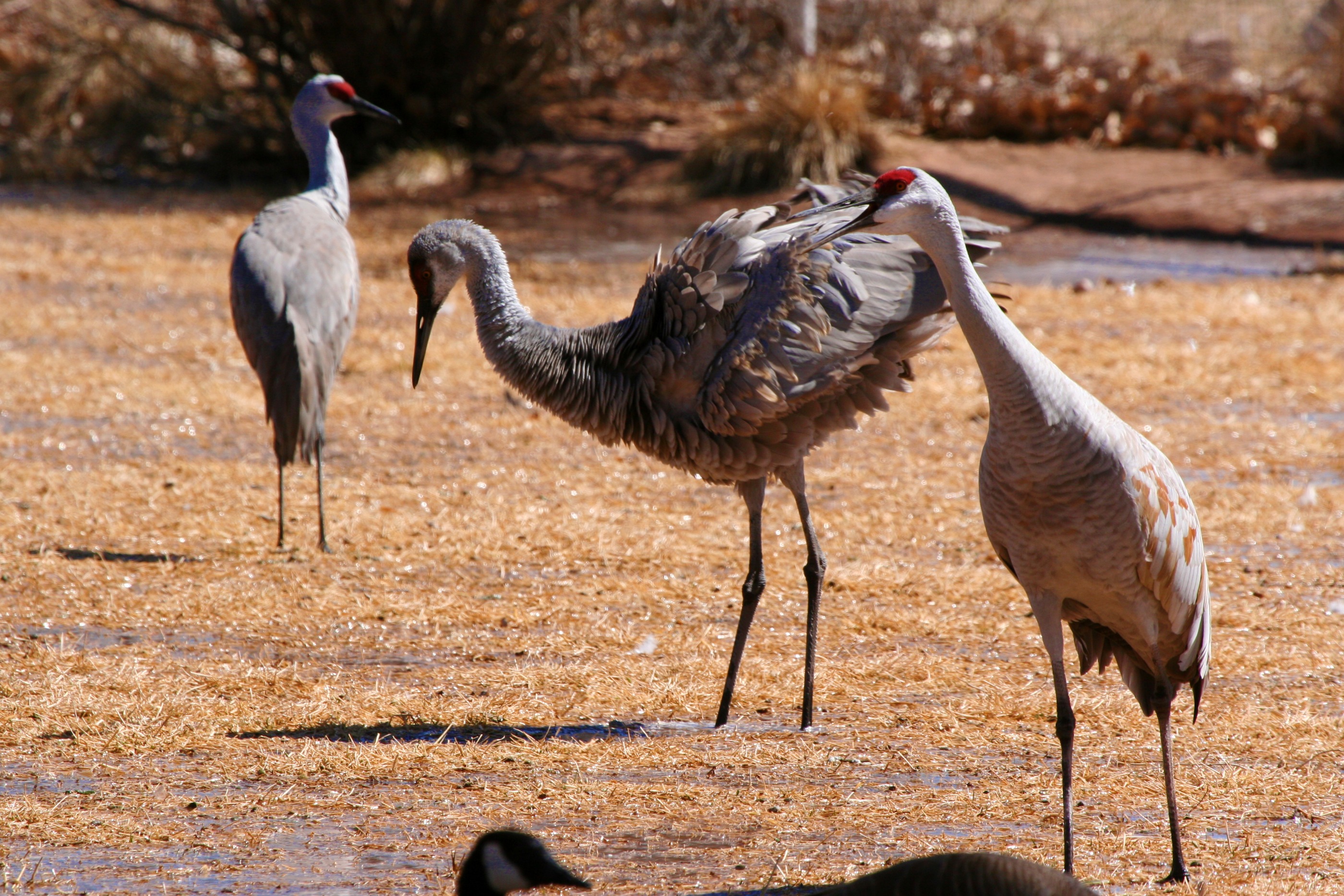
And while some may stay longer than others…

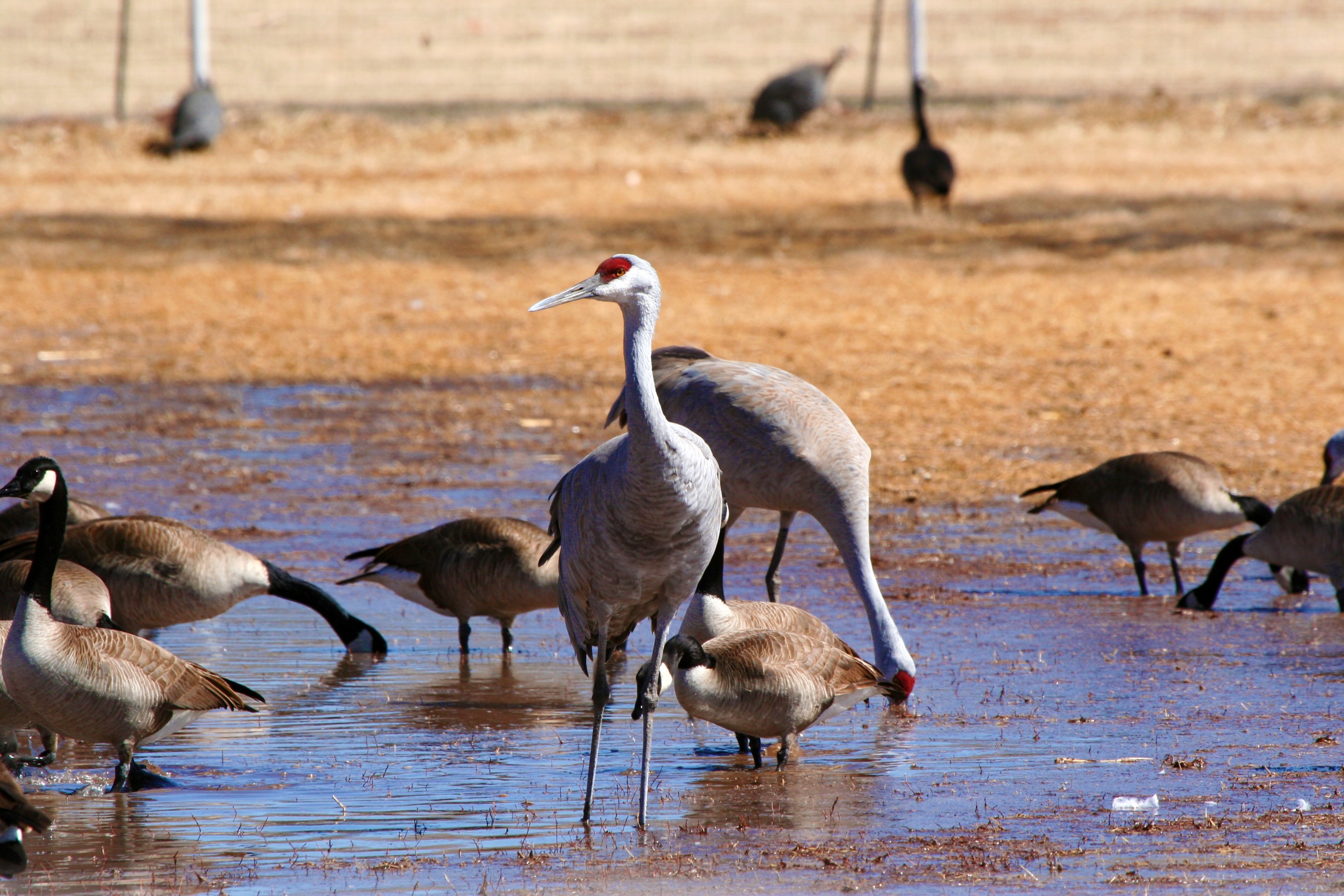
…everyone’s having a great time.










 Morning Bray Farm