Whenever the pressure of our complex city life thins my blood and numbs my brain, I seek relief in the trail; and when I hear the coyote wailing to the yellow dawn, my cares fall from me – I am happy.

-Hamlin Garland

I had never seen a live coyote before moving to New Mexico. At Morning Bray Farm, we see coyotes every now and then and hear them almost every night.

For the last several days, what looks to be the same coyote has been coming around. I suspect she has pups somewhere nearby.
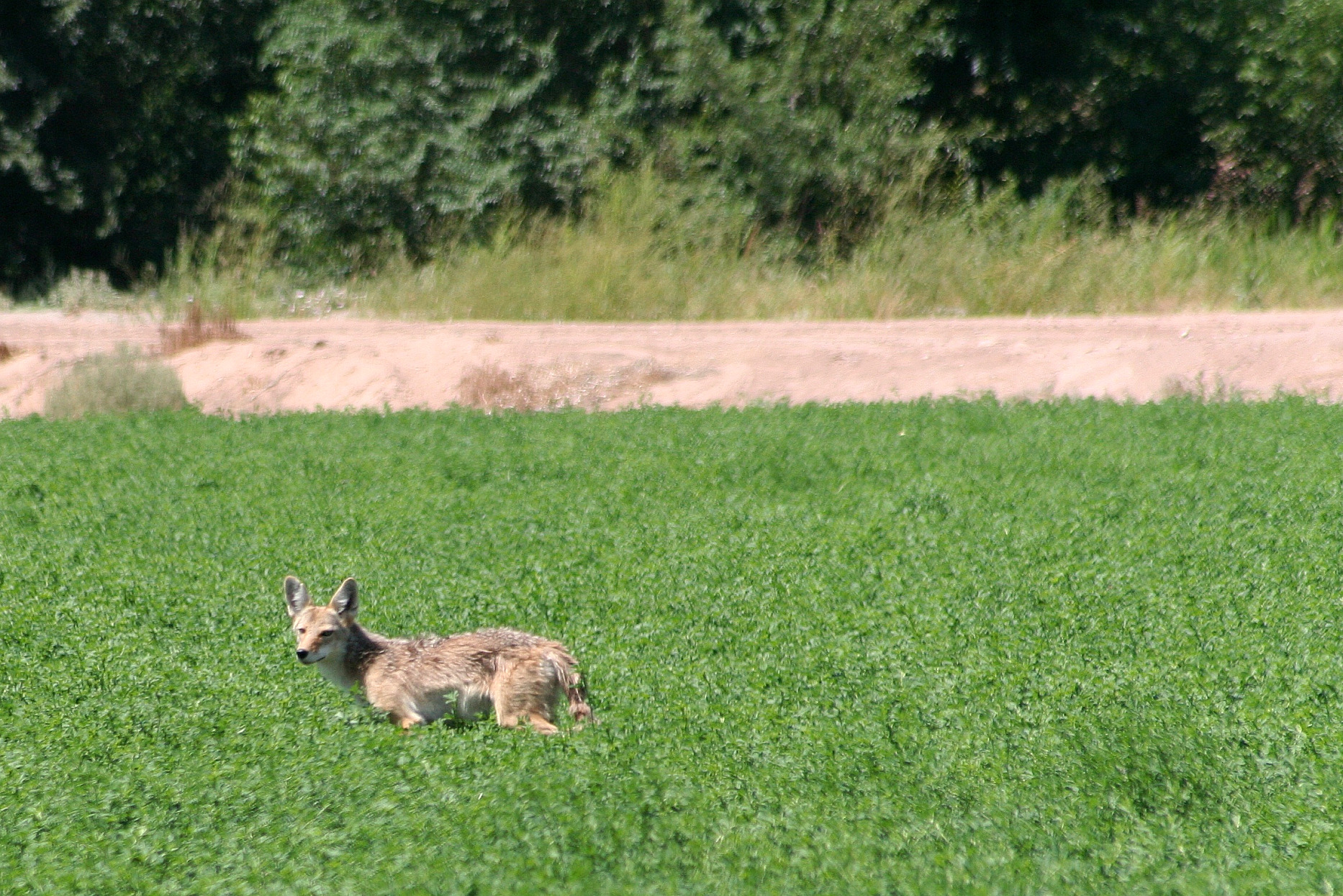
As I thought about her yesterday, I realized I’m really happy.

I love the magic of this place. ♥


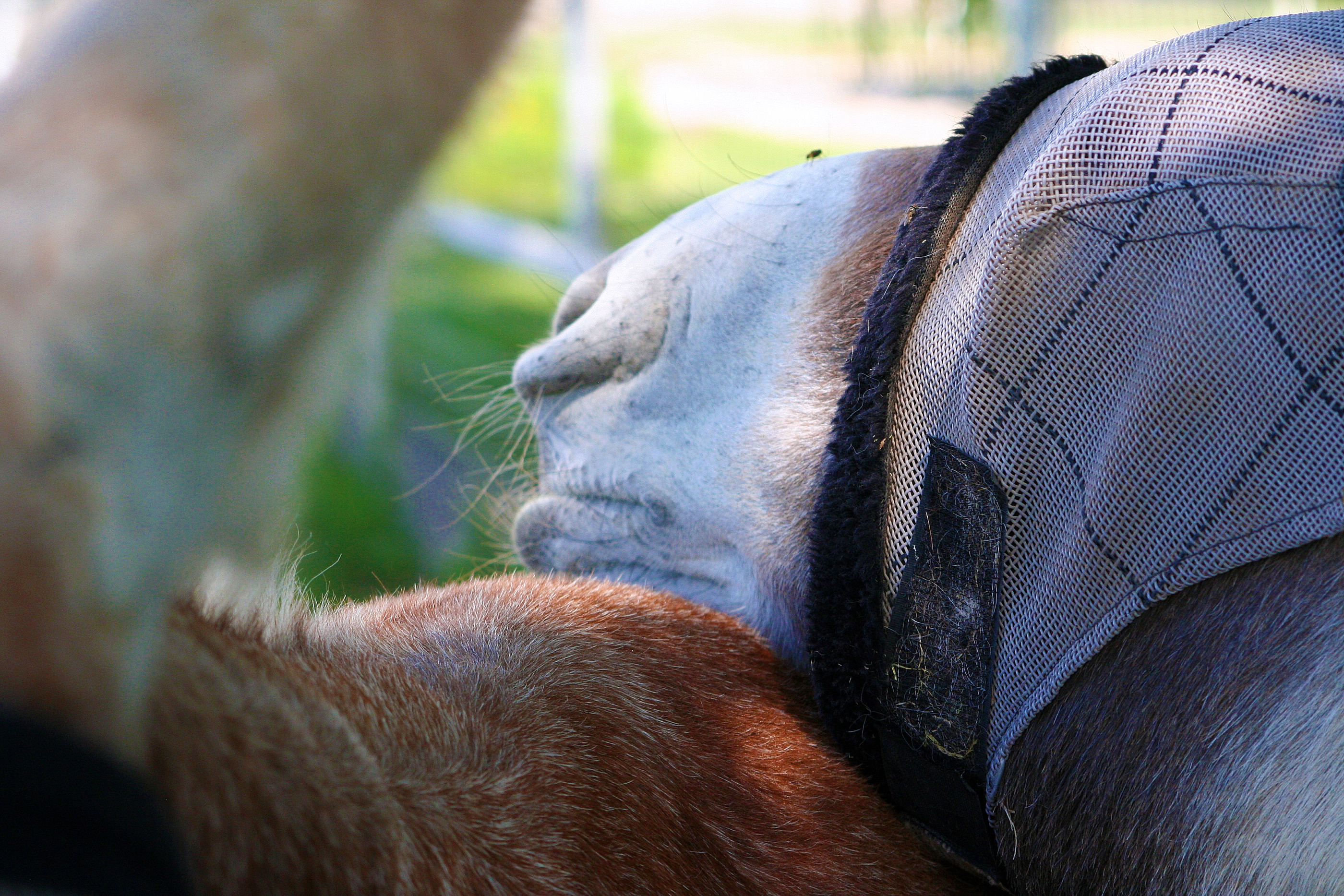
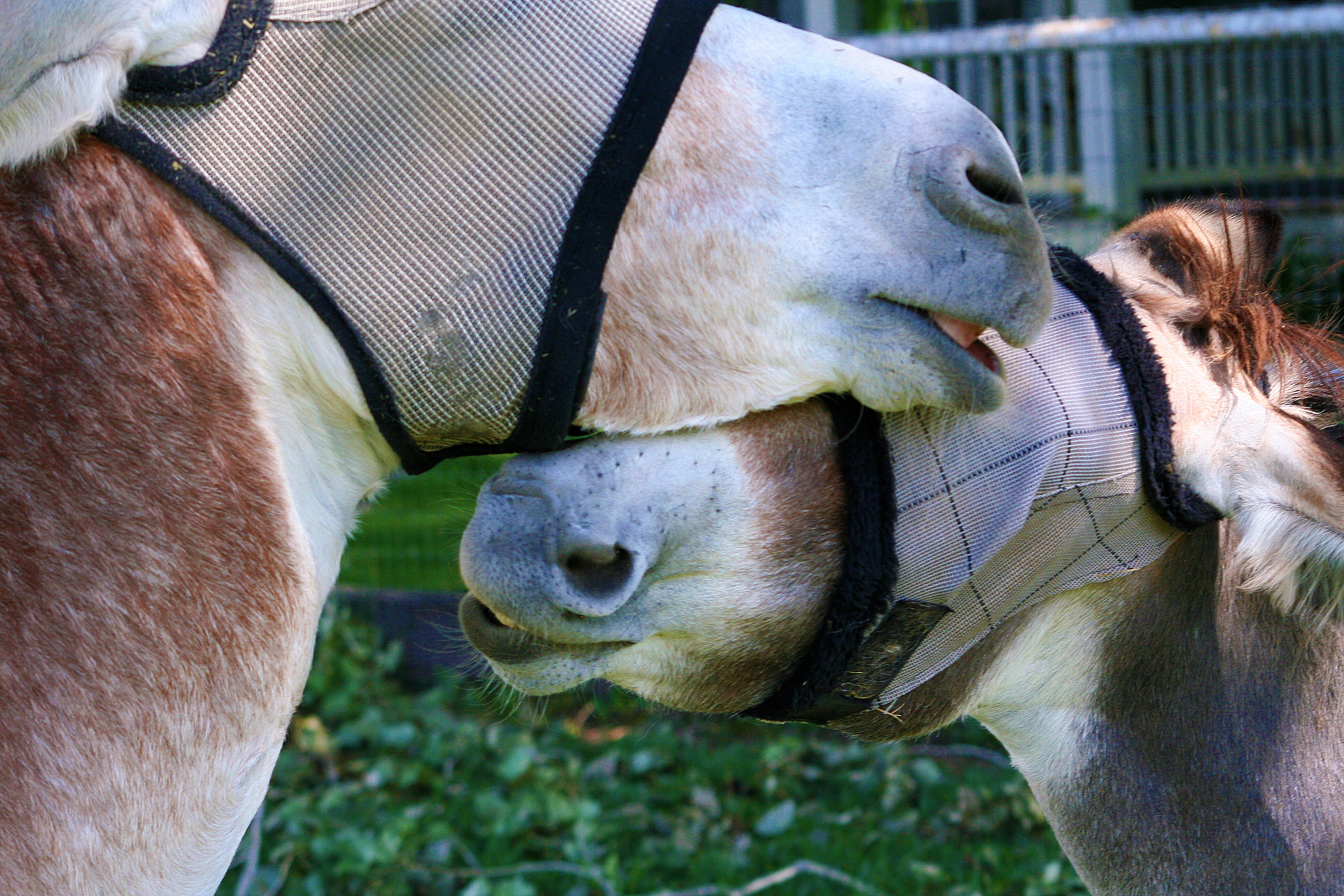
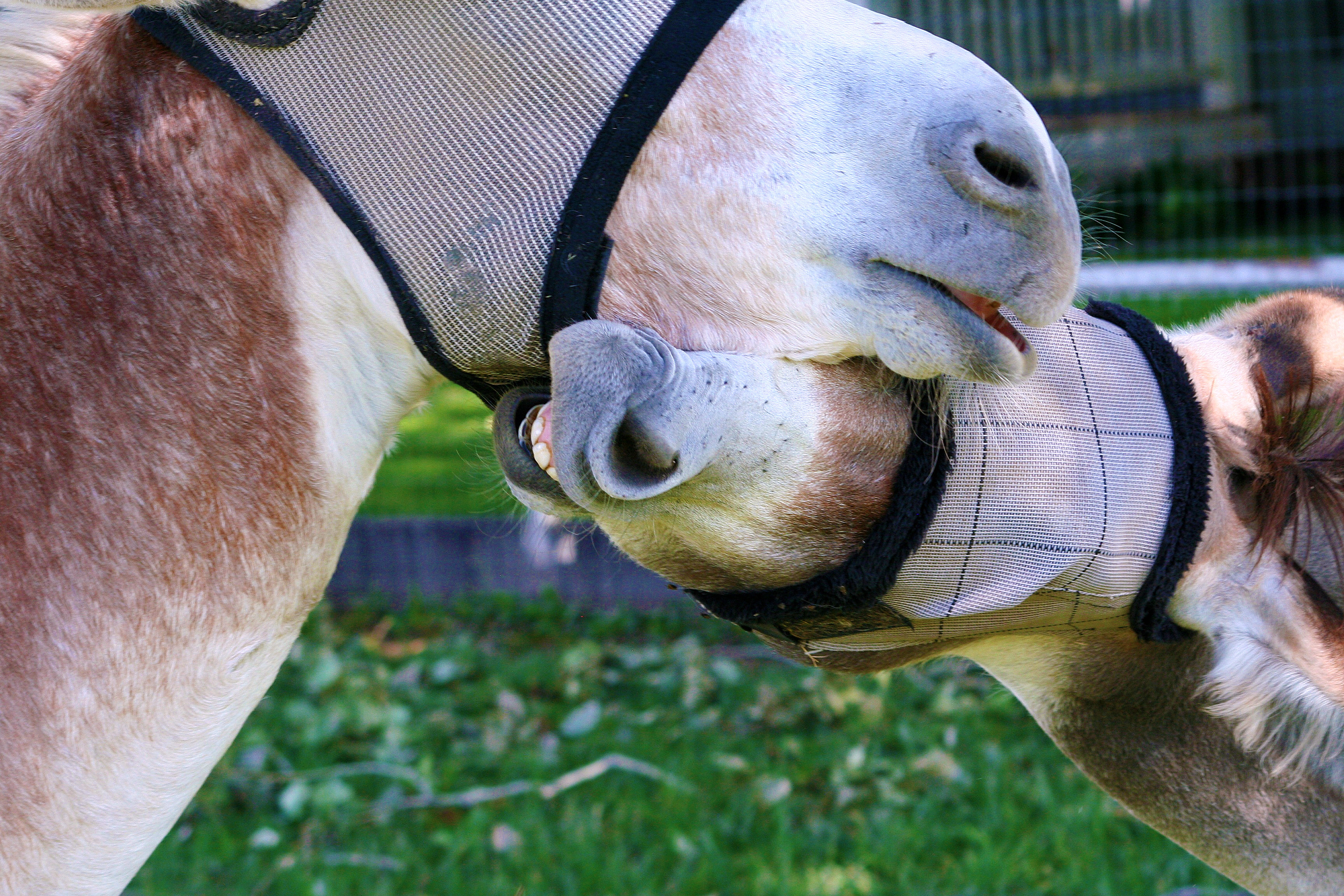
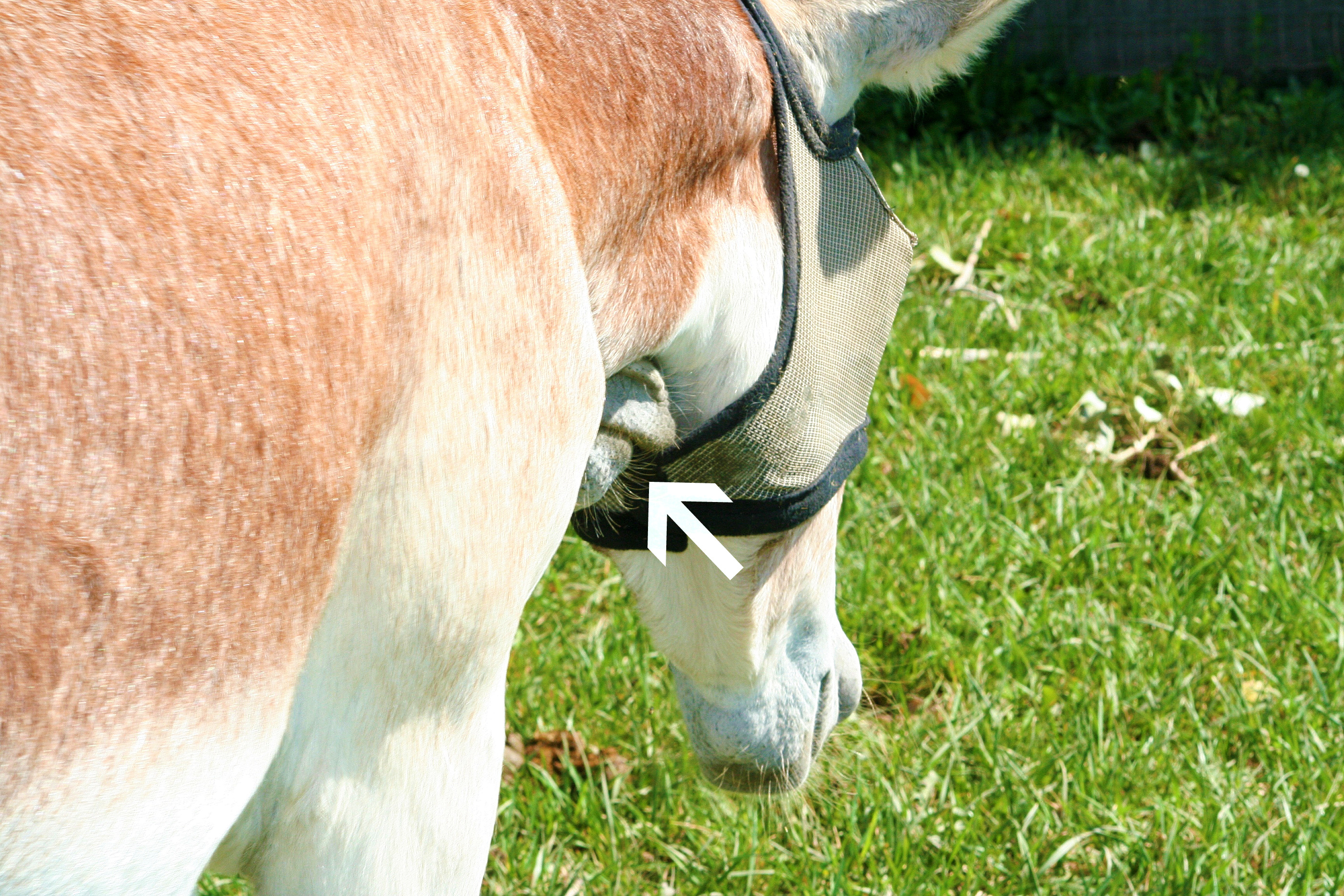
Ellsworth has the patience of a saint.

We know there’s no question that he loves Bernard, nor is there any question that Bernard loves Ellsworth.

But, lord have mercy, we can’t figure how Ellsworth puts up with Bernard’s relentless antics.

Take the fly mask situation, for example. Oy.

Re-lent-less, I tell ya.

At the end of the day though, we know Ellsworth wouldn’t want it any other way. ♥
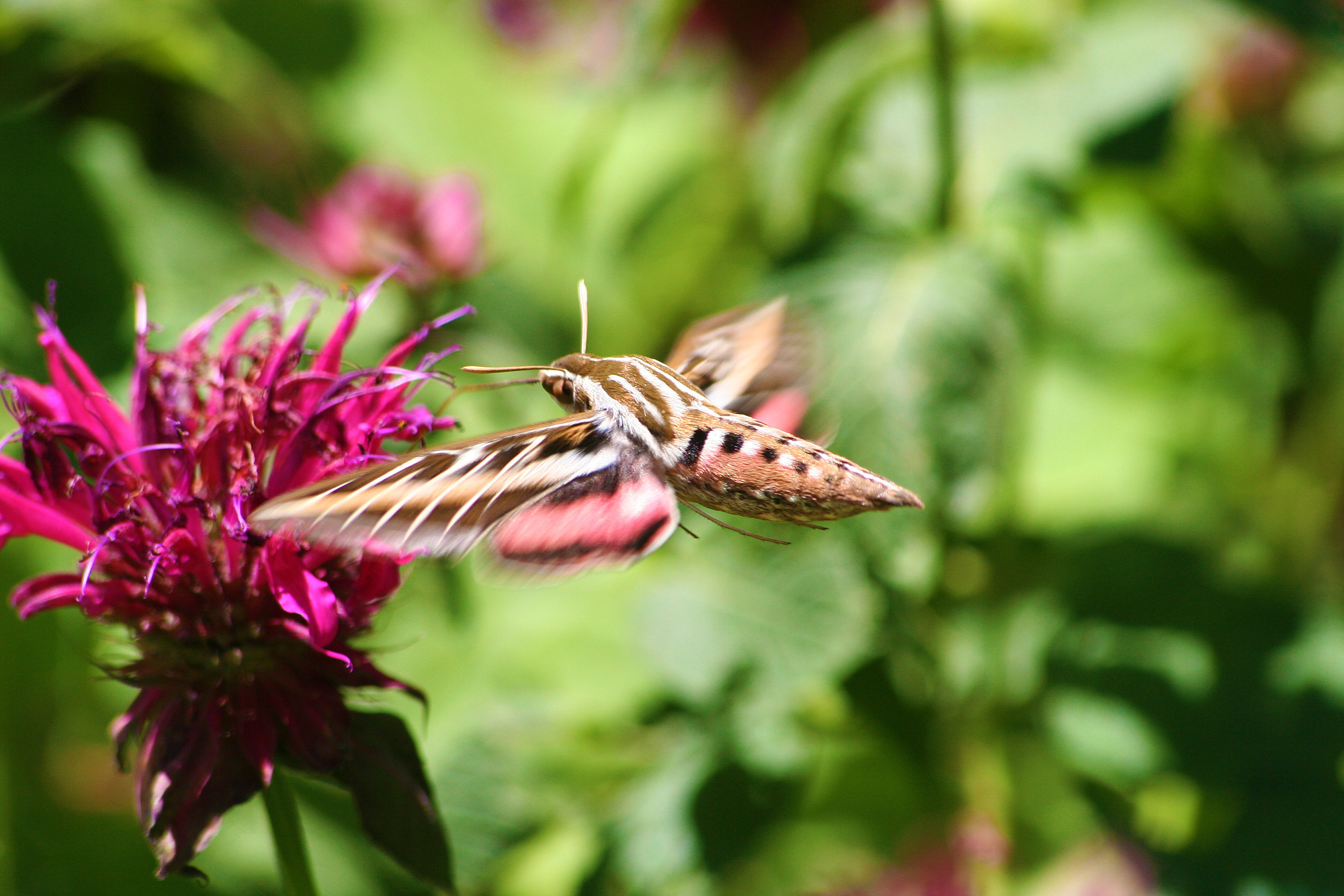
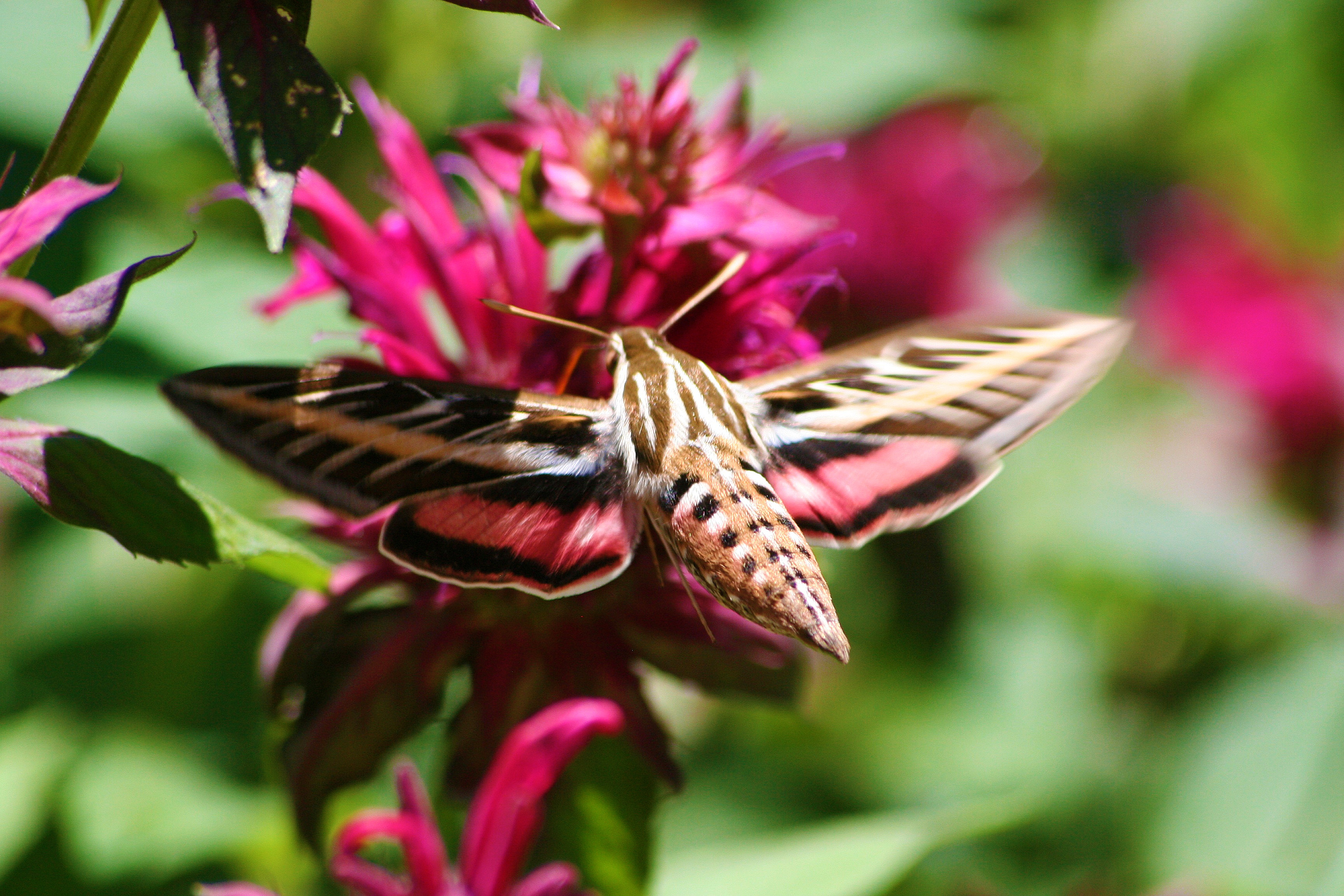
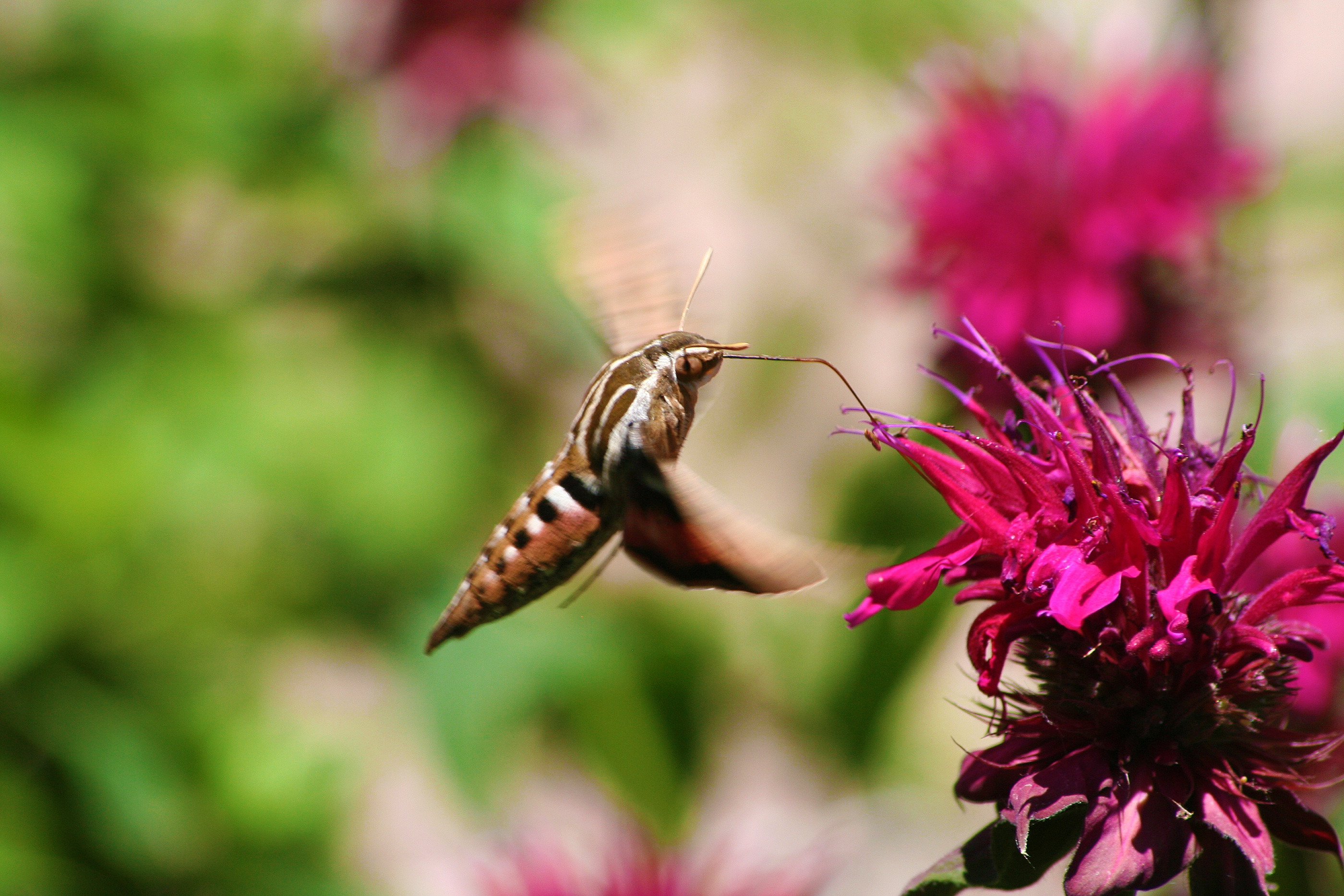
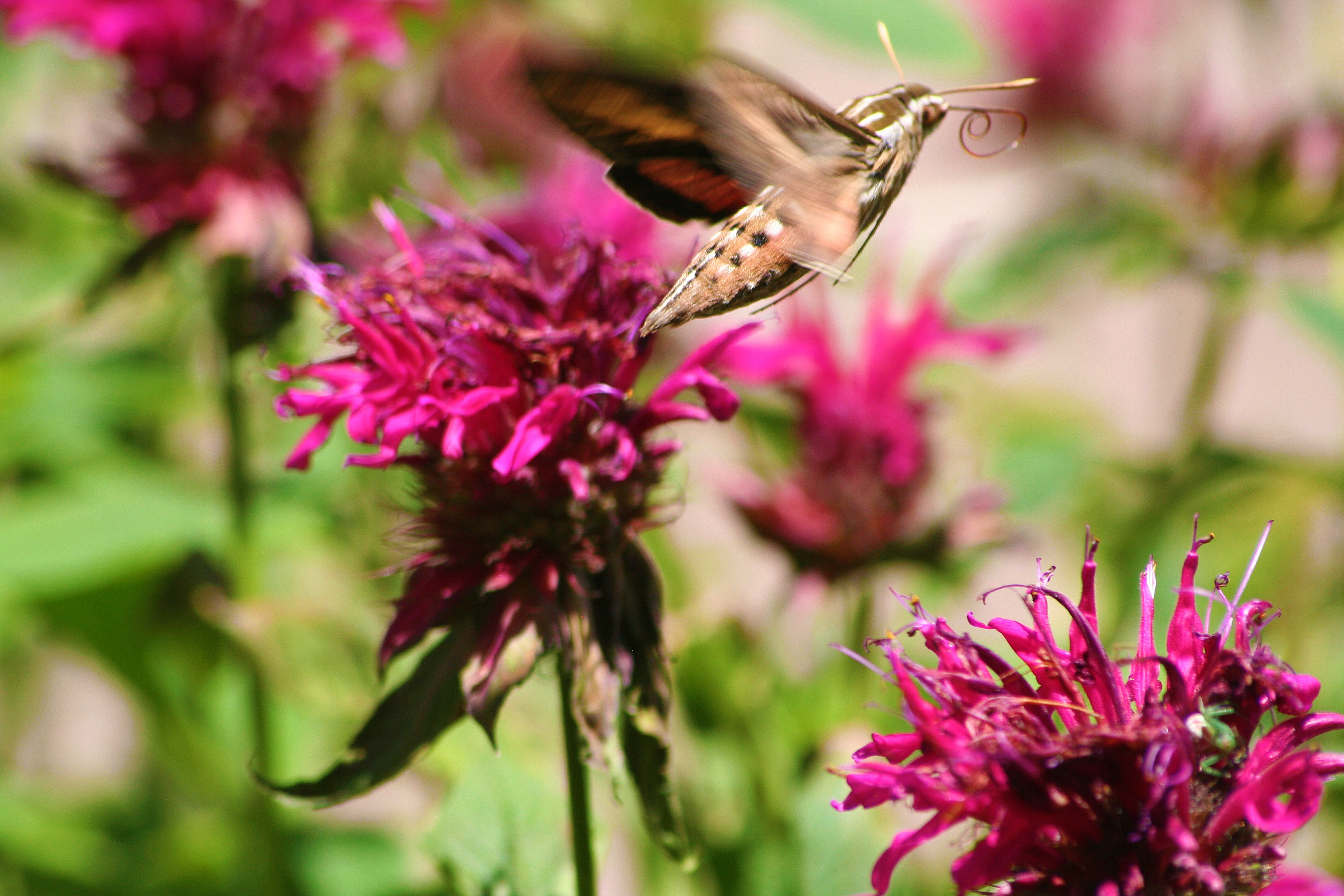
What’s with all the moths lately? We found a white-lined sphinx hummingbird moth enjoying the bee balm in our garden yesterday.

I think they’re gorgeous.

See the curled proboscis in this picture?

From butterfliesandmoths.org:

Caterpillar hosts: A great diversity of plants including willow weed (Epilobium), four o’clock (Mirabilis), apple (Malus), evening primrose (Oenothera), elm (Ulmus), grape (Vitis), tomato (Lycopersicon), purslane (Portulaca), and Fuschia.

Adult food: Nectar from a variety of flowers including columbines, larkspurs, petunia, honeysuckle, moonvine, bouncing bet, lilac, clovers, thistles, and Jimpson weed.

Habitat: A wide variety of open habitats including deserts, suburbs, and gardens.

Range: Central America north through Mexico and the West Indies to most of the United States and southern Canada. Also occurs in Eurasia and Africa.

Management needs: Occasional outbreaks of caterpillars have damaged tomatoes, grapes, and garden crops in Utah. (And at Morning Bray Farm.)

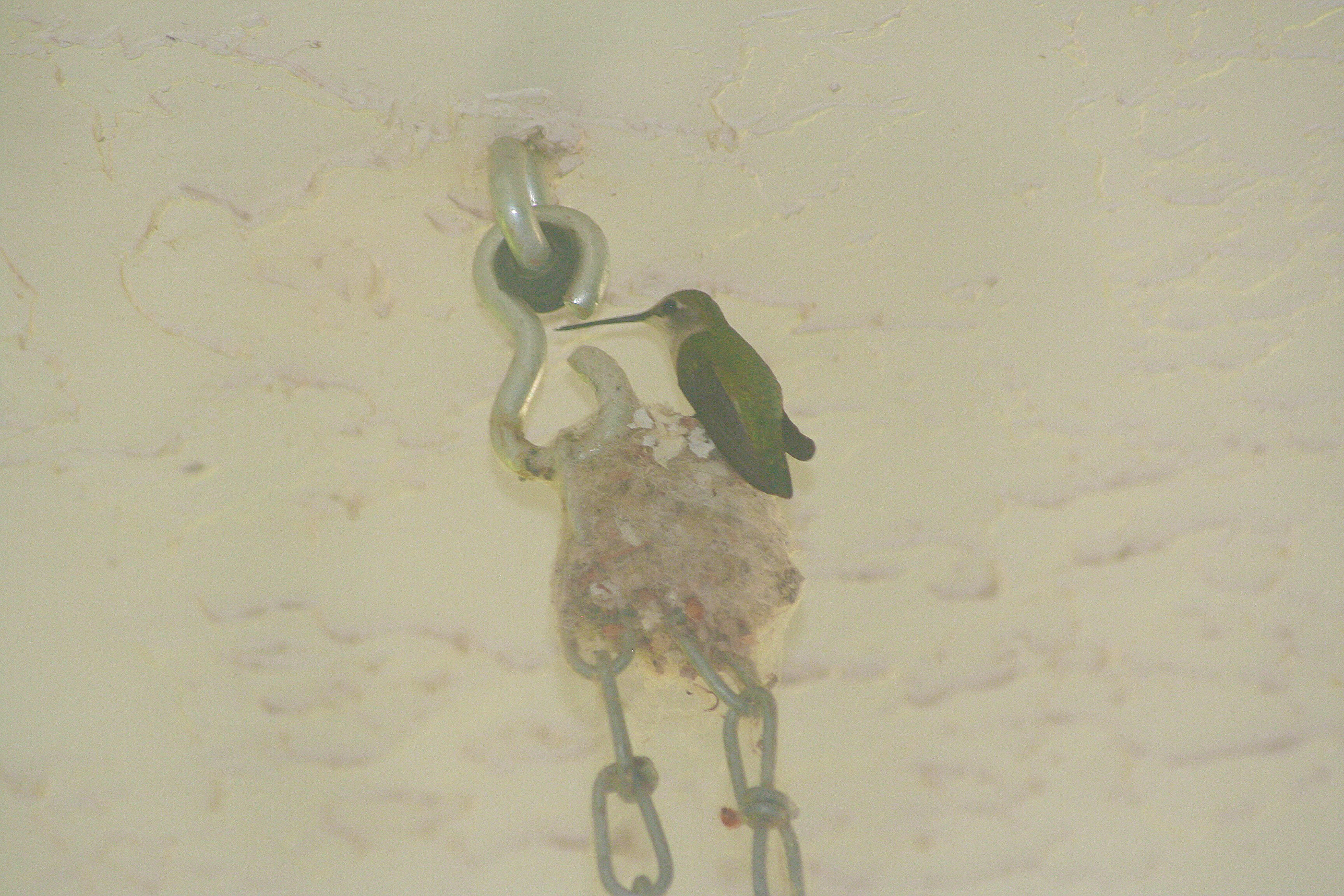
There has been more activity at the nest outside our kitchen window this past week. When we looked out yesterday, we watched as a hummingbird appeared to be feeding something in the nest. This picture was taken through the kitchen window:

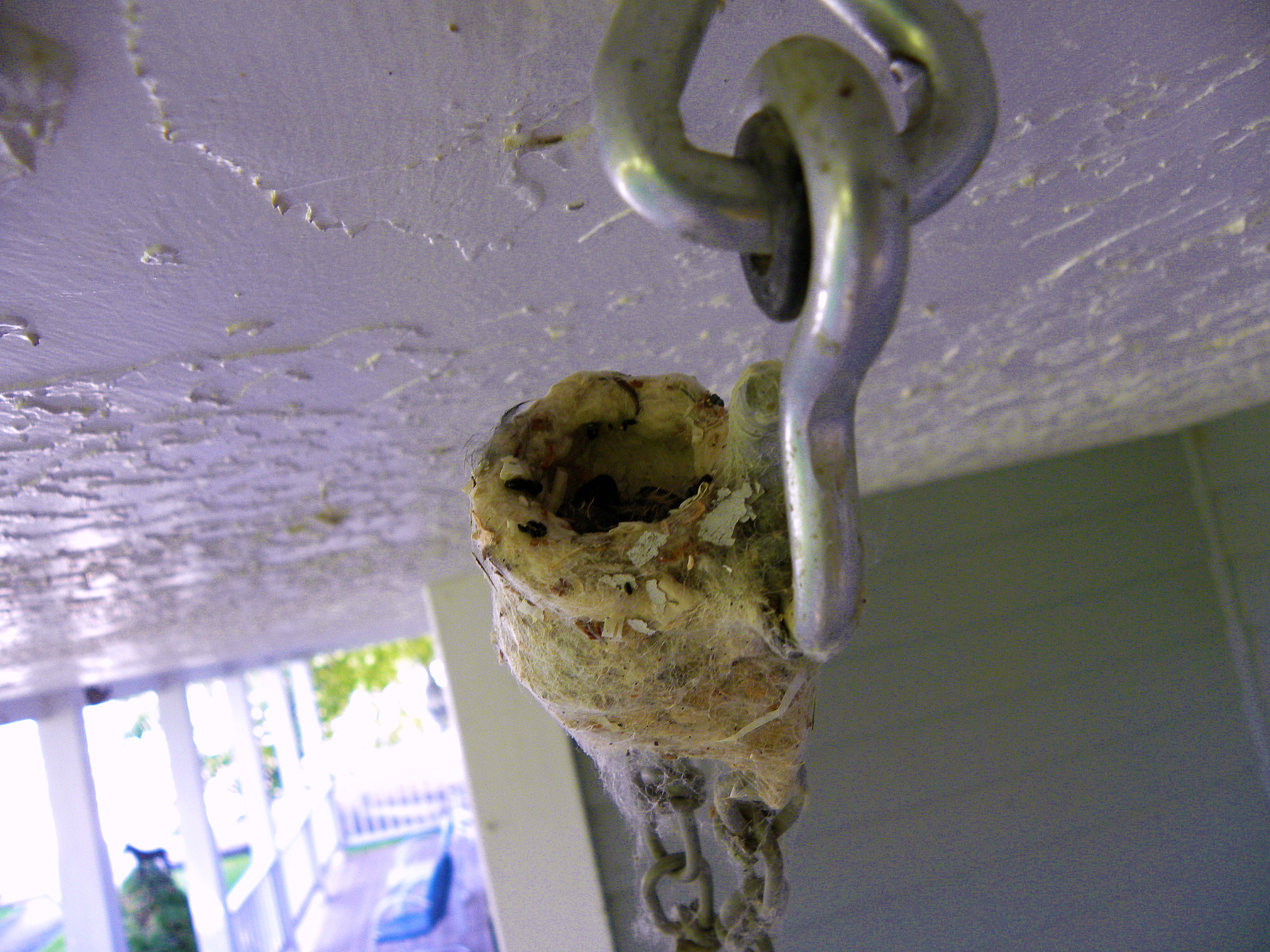
When the hummingbird flew off, we ran outside to see if there were babies in the nest. Don climbed up on our porch railing…

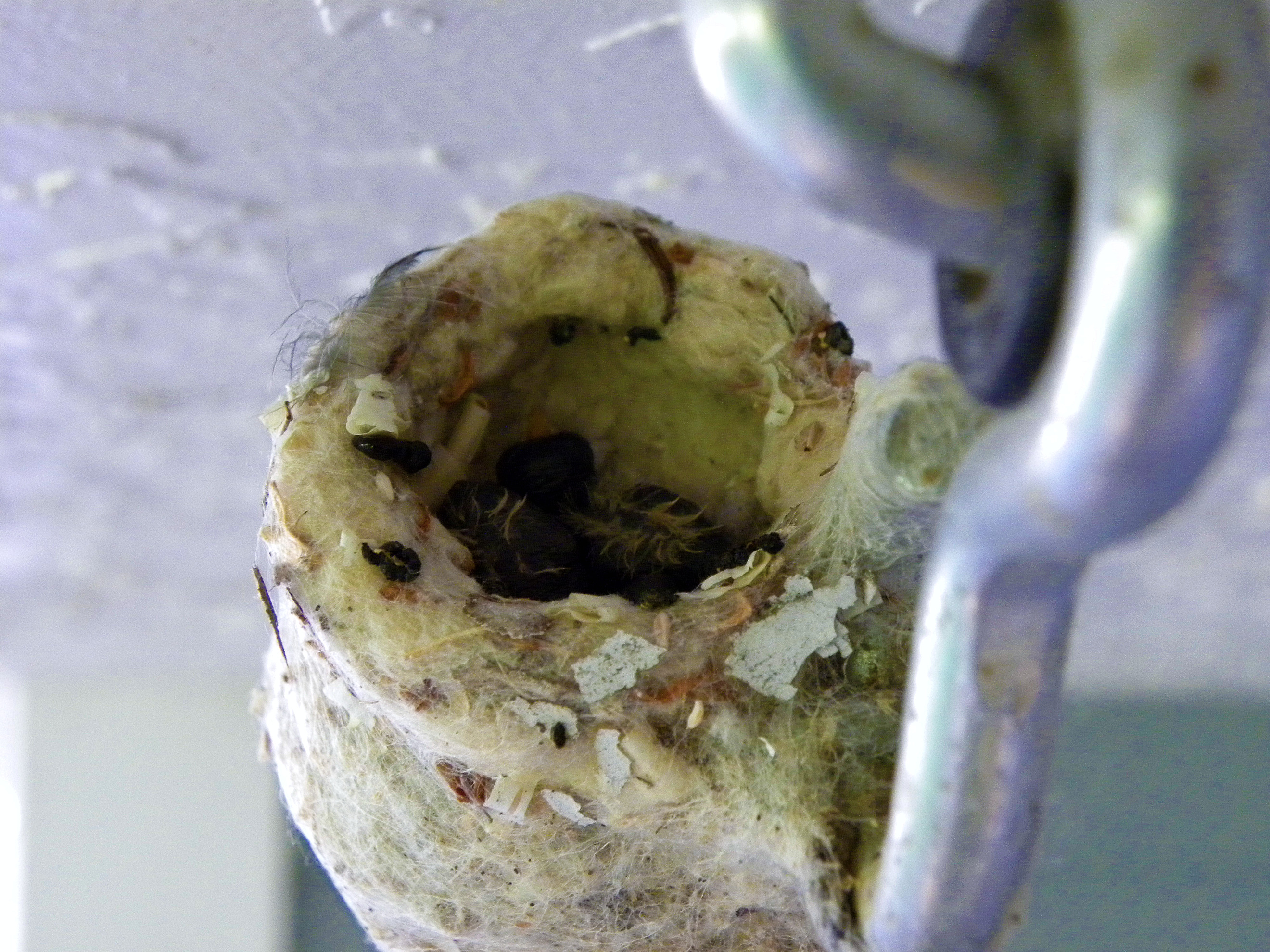
…and yes, there are two babies in the nest. 

June over at Aging Gratefully asked about this nest a couple of times. We’re pretty sure these babies were delivered just for her. ♥
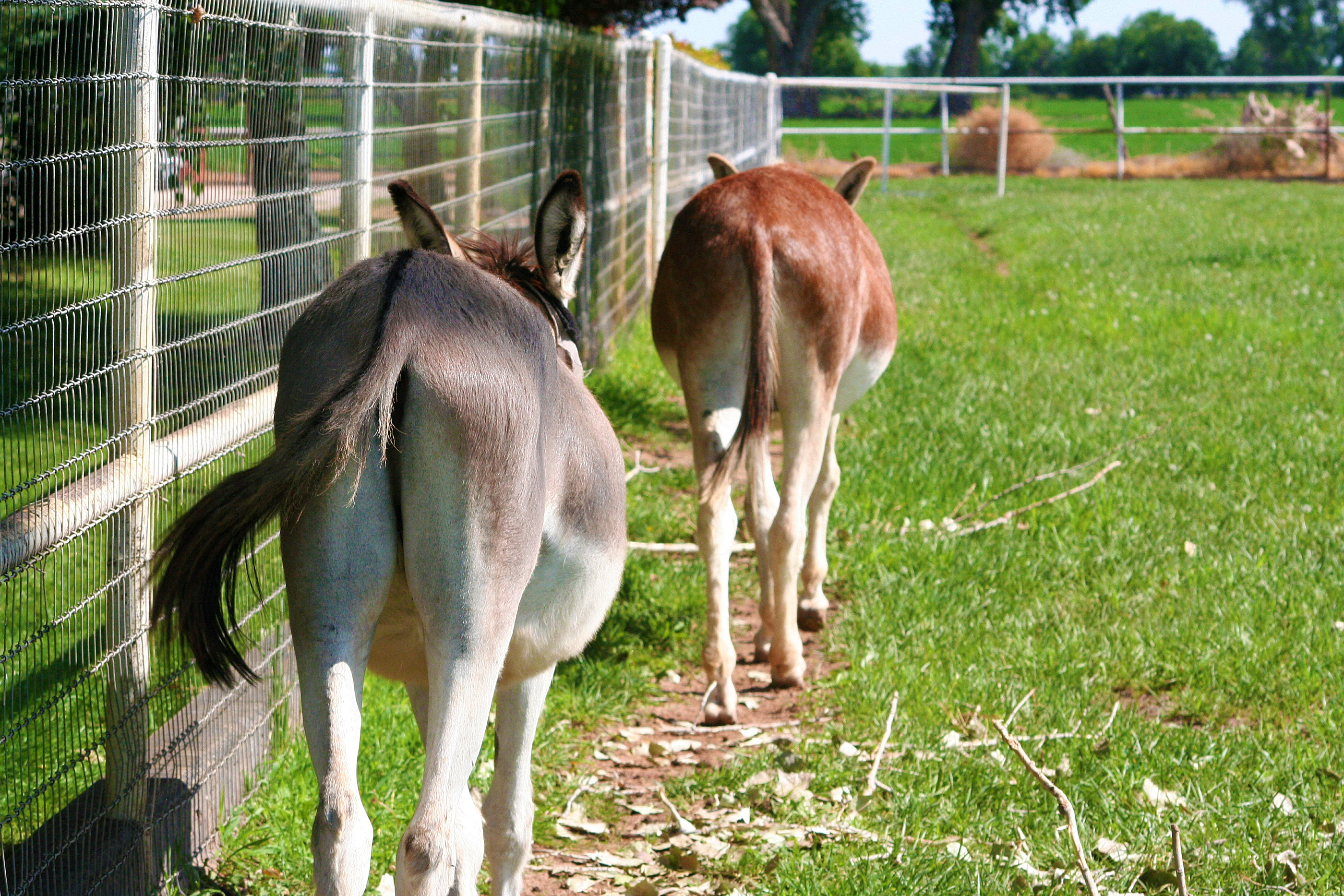
Known commonly as the jackass, this long-eared little creature is respected throughout the southwest – roundly cursed yet respected – and here he is usually referred to by his Spanish name, burro. Because of his extraordinary bray, he is sometimes ironically called the “Arizona Nightingale.”

-Arizona state administration, U.S. public relief program (1935-1943)


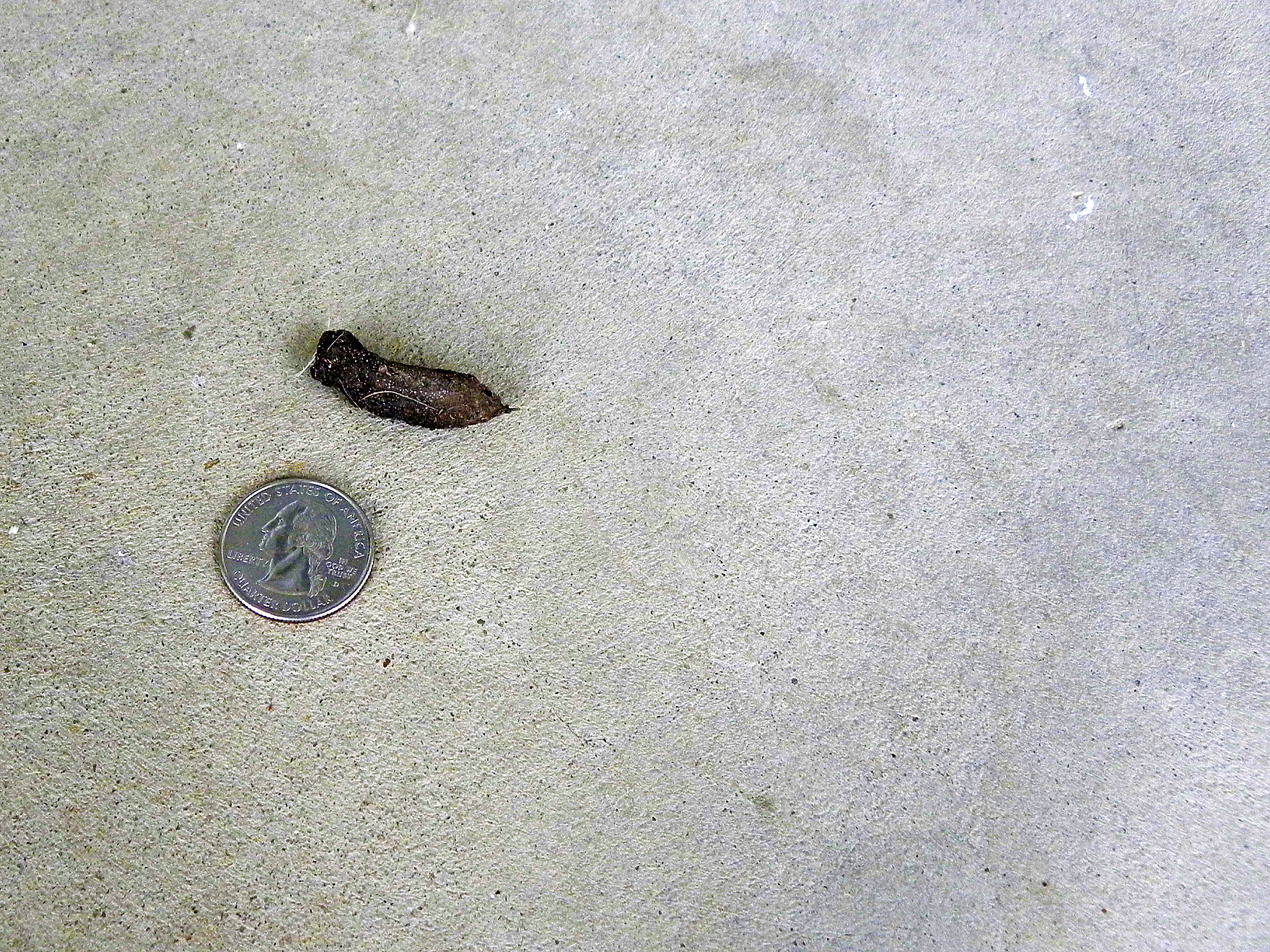
Over the last several weeks, we’ve been finding poop on our patio. And on the driveway, in the garage and even on the mat just outside our back door.

Based on the fact we discovered most of the poop in the morning and because of its size and shape, I figured a skunk was our culprit. In my mind, that skunk sure had a lot of nerve pooping in our garage and right smack on our back door step.  

When Don suggested that it was toad poop, I scoffed at him. The idea that a toad could poop something a quarter of its body length was ludicrous.

With a little help from The Internet Center for Wildlife Damage Management, we were able to identify our pooper. Let me just tell you, I’m simply amazed. We salute you, Mr. Toad.

By the way, if you’re wondering what The Internet Center for Wildlife Damage Management is, check them out here. They’re a non-profit, grant funded site that provides research-based information on how to responsibly handle wildlife damage problems. They happen to have a great scat ID section.

We visited the Rio Grande Nature Center State Park with my dad over the weekend. The park is about eight miles from us, and like Morning Bray Farm, is located in what we call the bosque, otherwise known as our cottonwood forest. The park has 270 acres of woods, meadows and farmland.

Would you look at that? Lenny was there. He blends so brilliantly into the landscape.

Evidence of beavers.

And turtles, which made us Marylanders feel right at home. Go Terps!

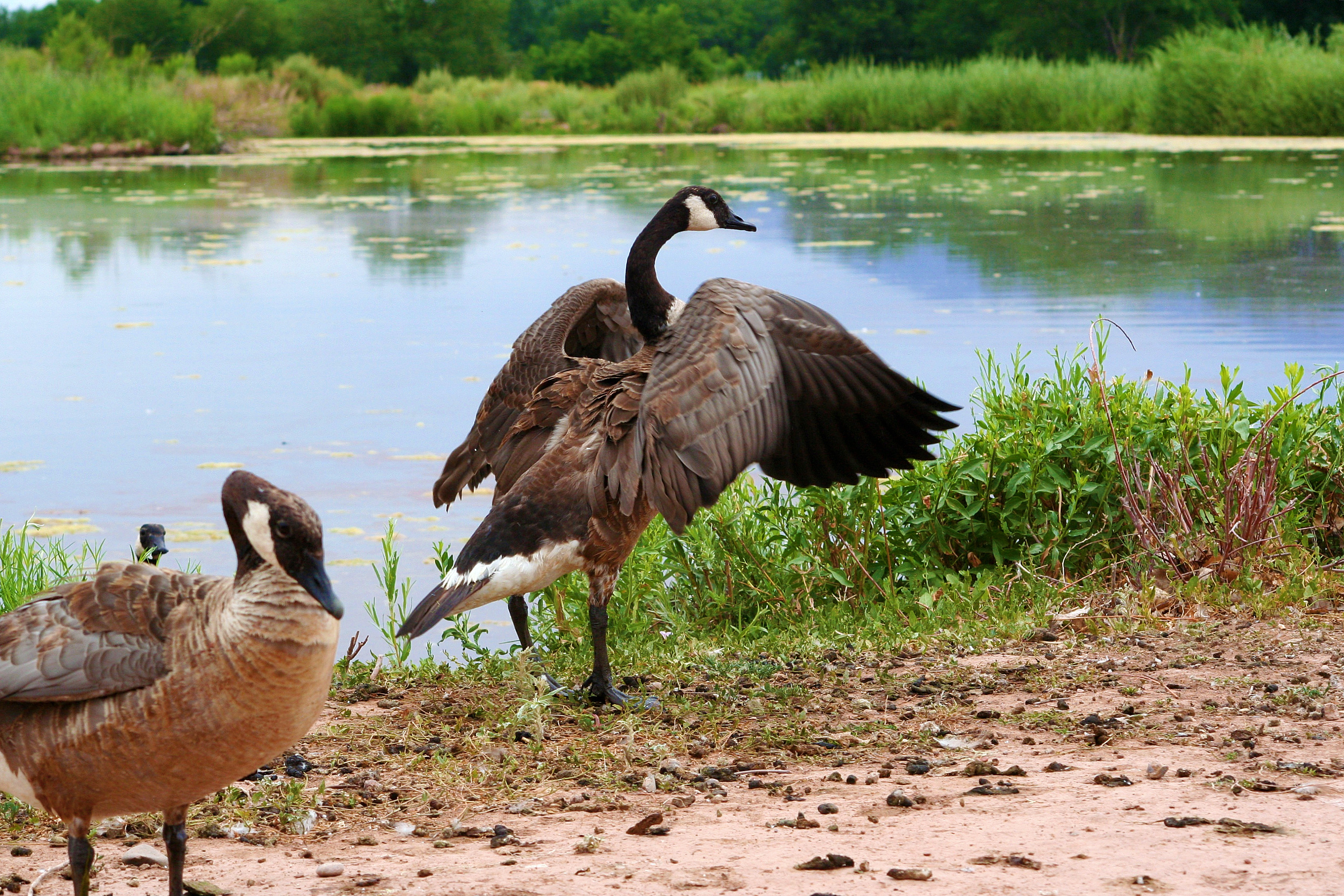
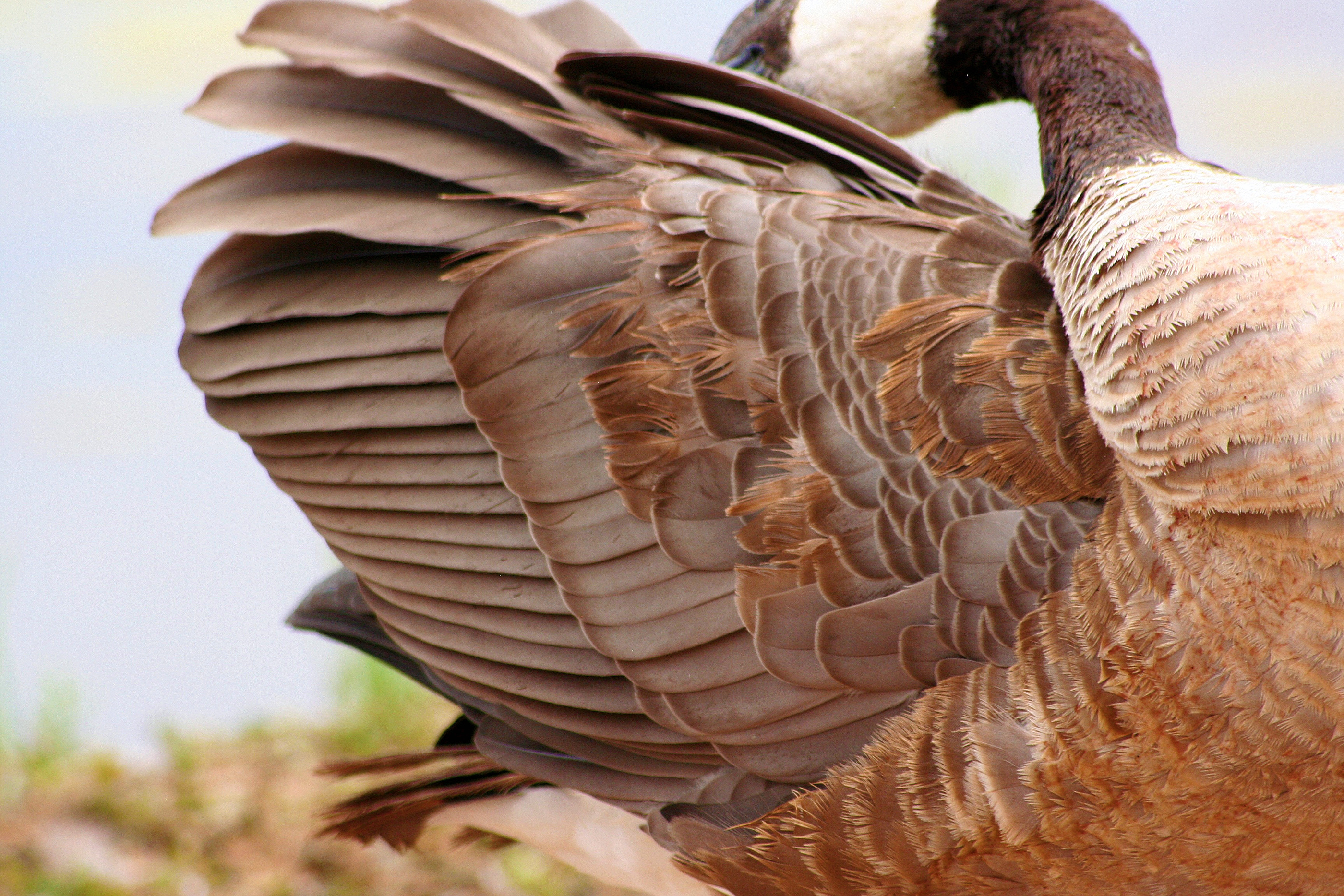
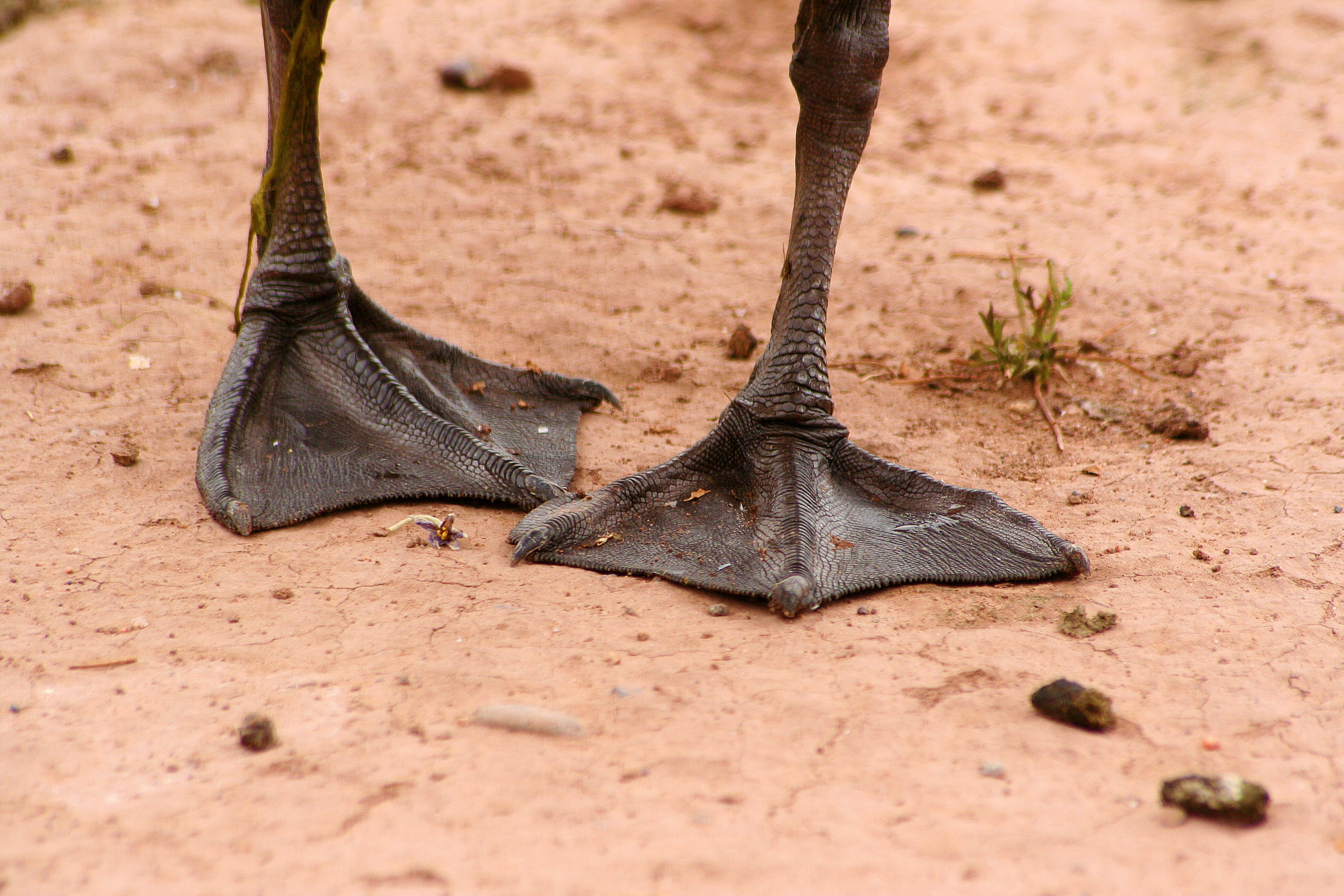
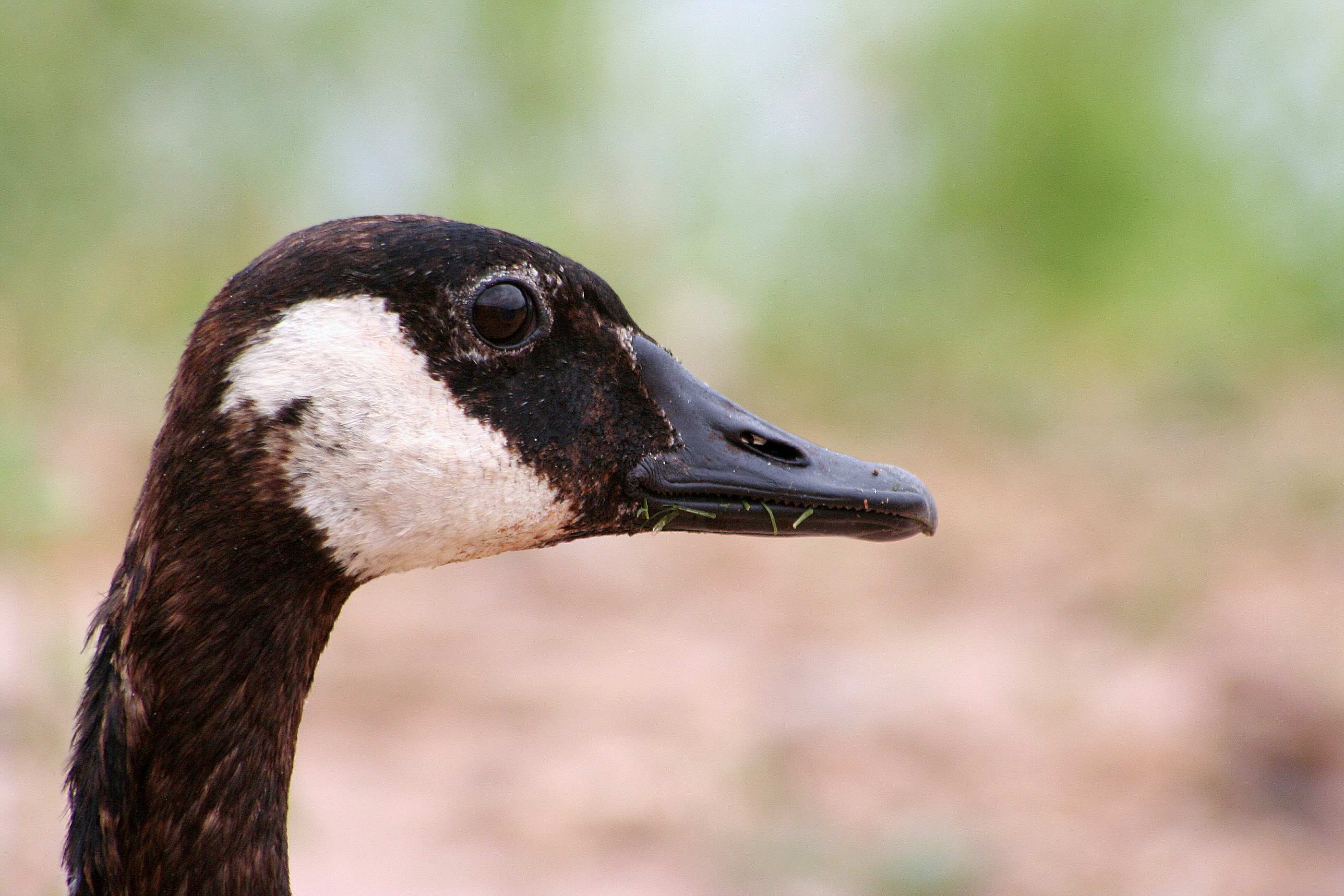
I loved watching the geese. They’re so full of personality. 

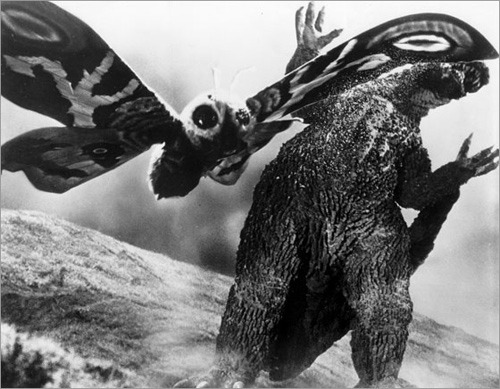
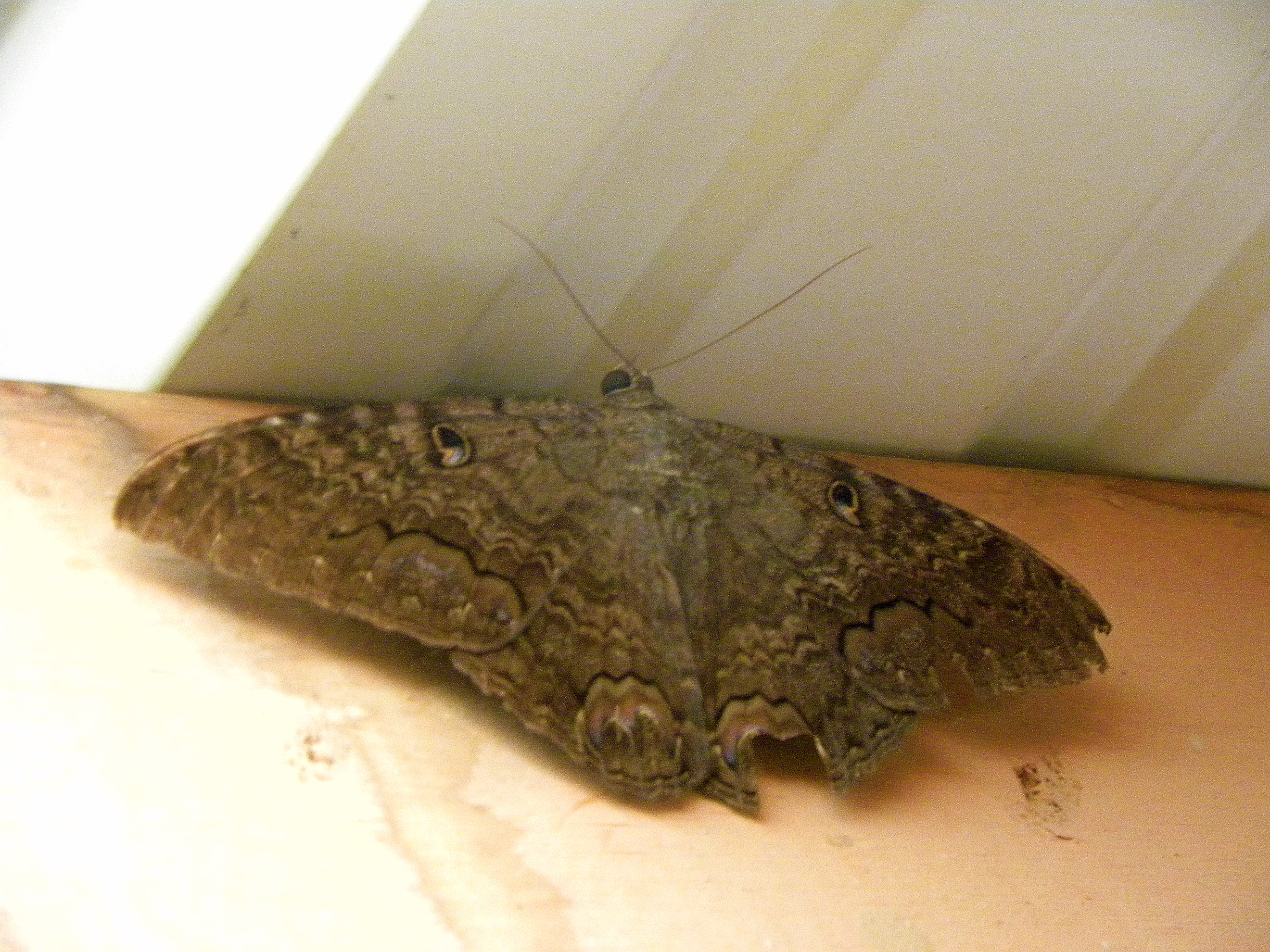
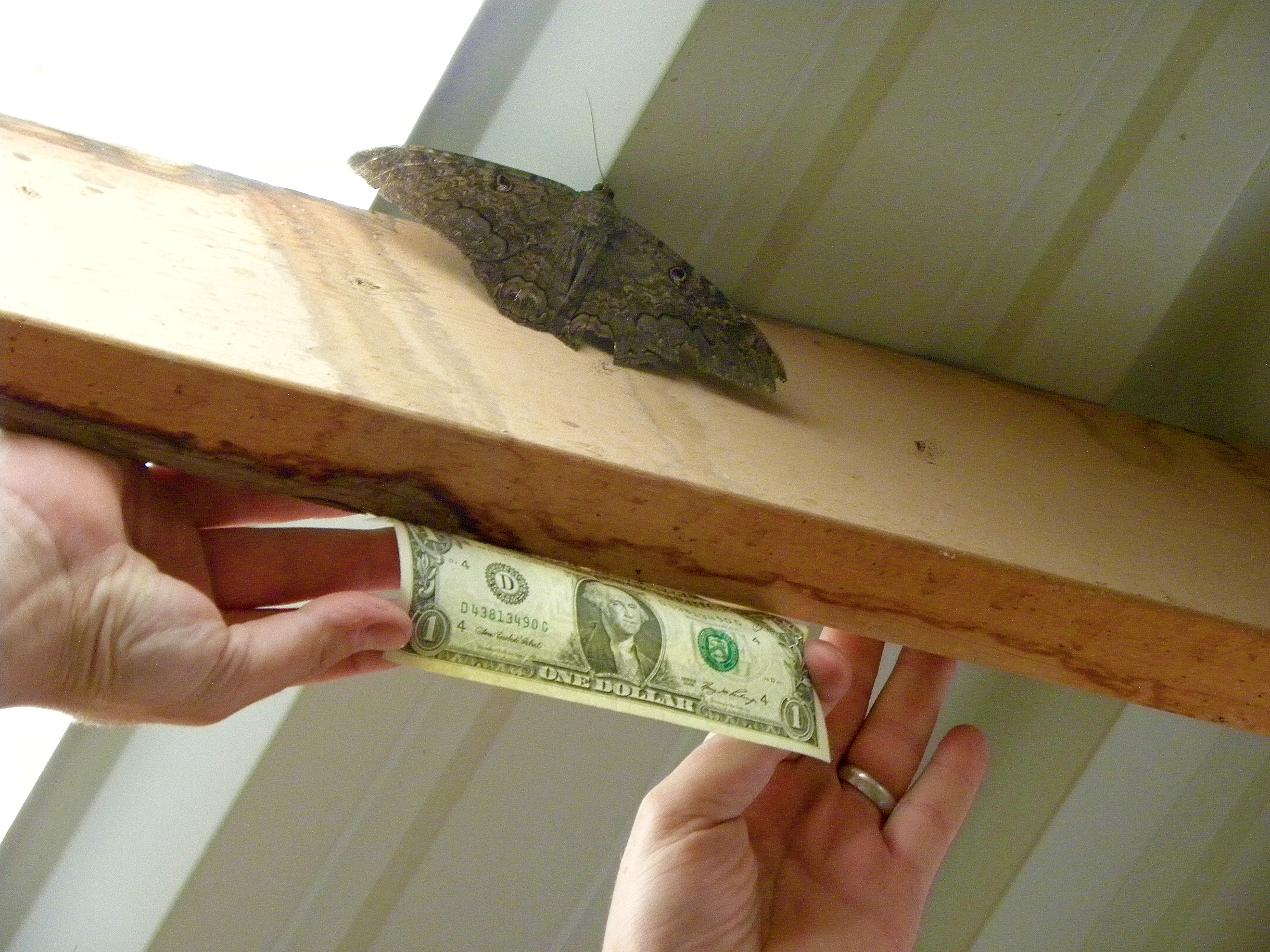
Leave it to something like Mothra to push Don over the edge and officially into the blogosphere.

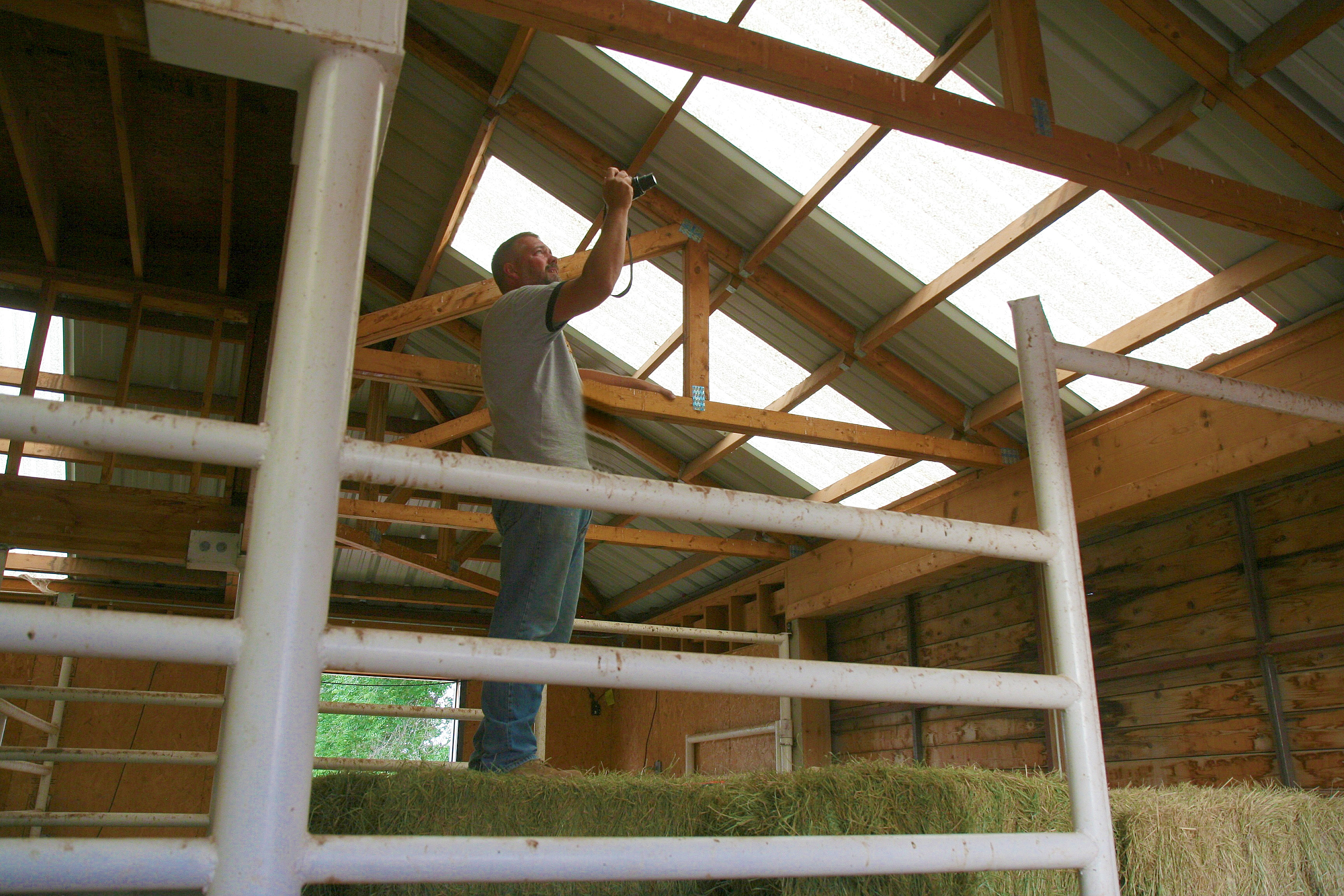
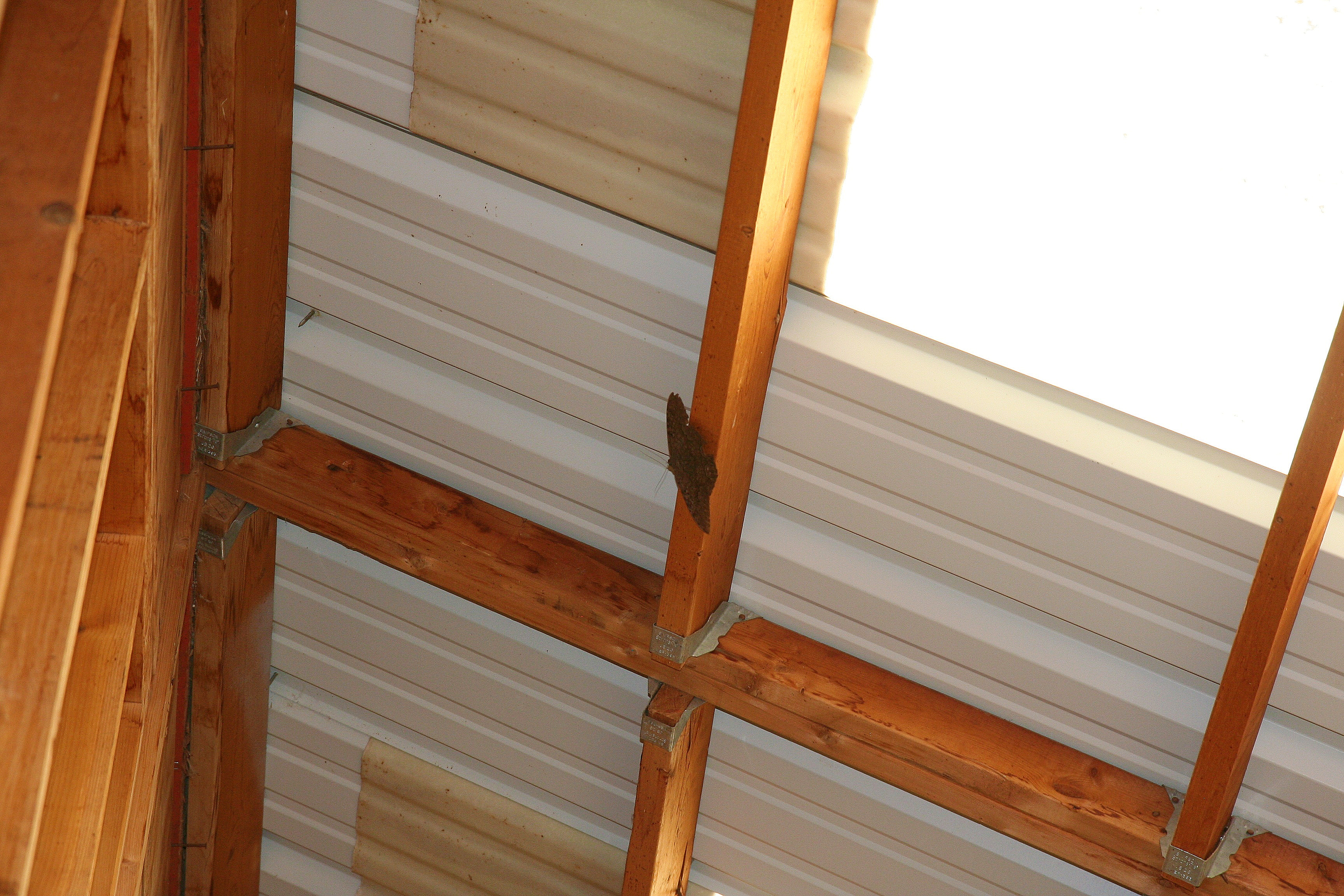
We were hanging out with my dad and the boys on Sunday afternoon when Don went rushing past me and into the house to get the other camera. He came back out and rushed straight back into the barn. I walked in to find this:

Me: What’cha lookin’ at?

Don: Look at the size of this thing!

Me: Wow, honey. That's awesome.

Here’s my perspective of what Don was looking at: 

And here’s Don’s perspective:

Don: This sucker is huge! This is going to be a perfect blog post!

Me: Ok, hun.

I was sure Don had entered the blogosphere when he insisted I climb up on the hay bales with him to take this shot:


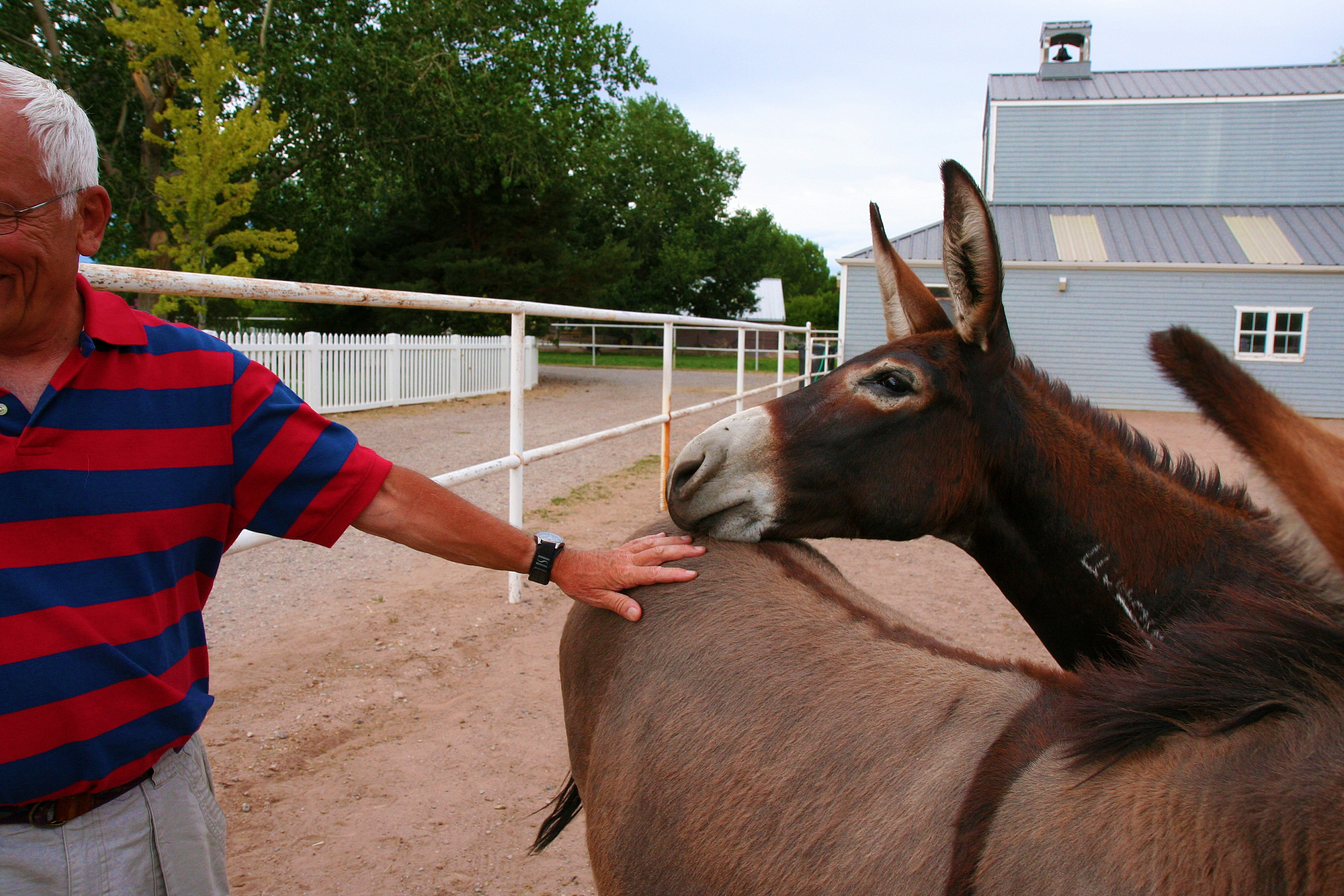
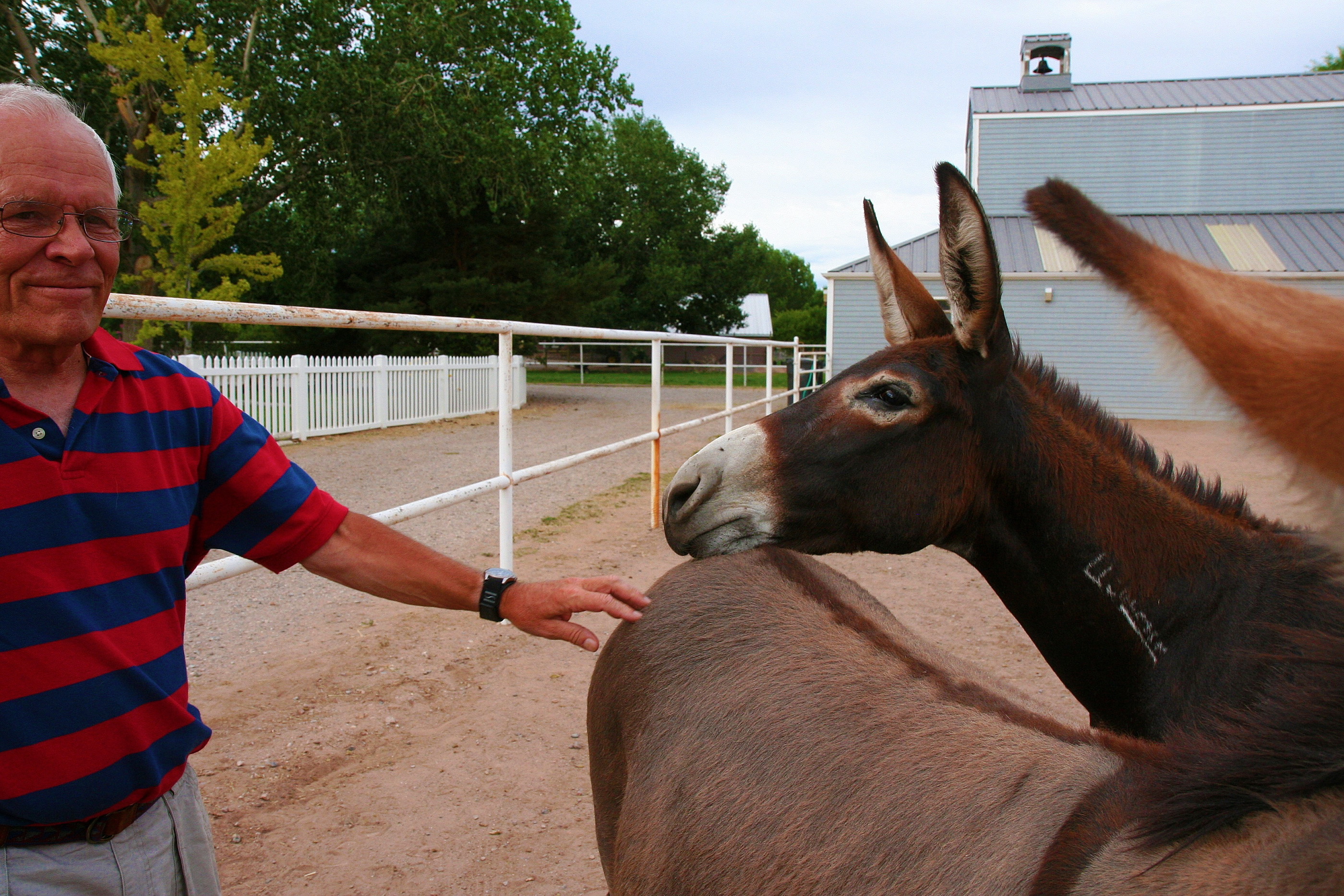
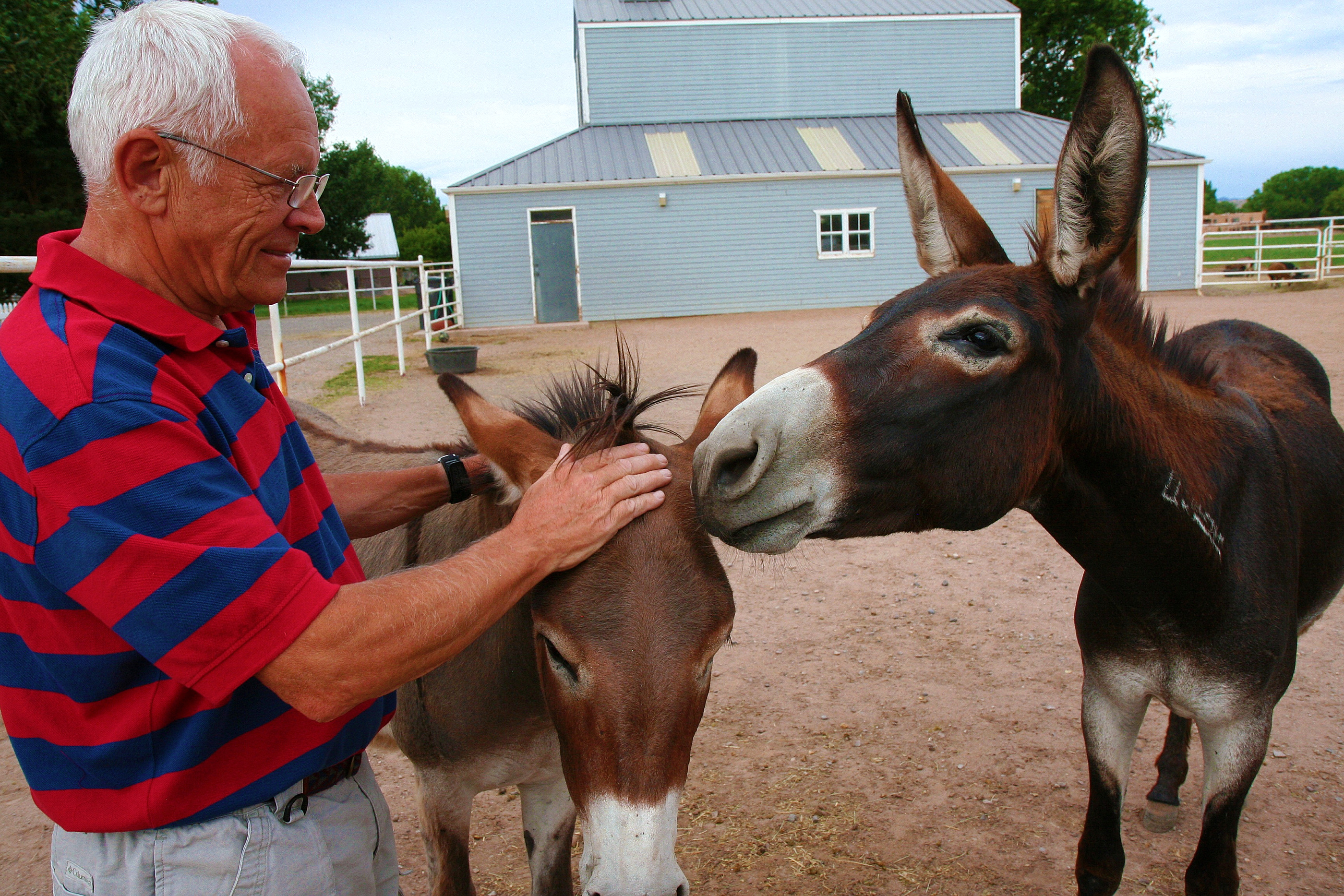
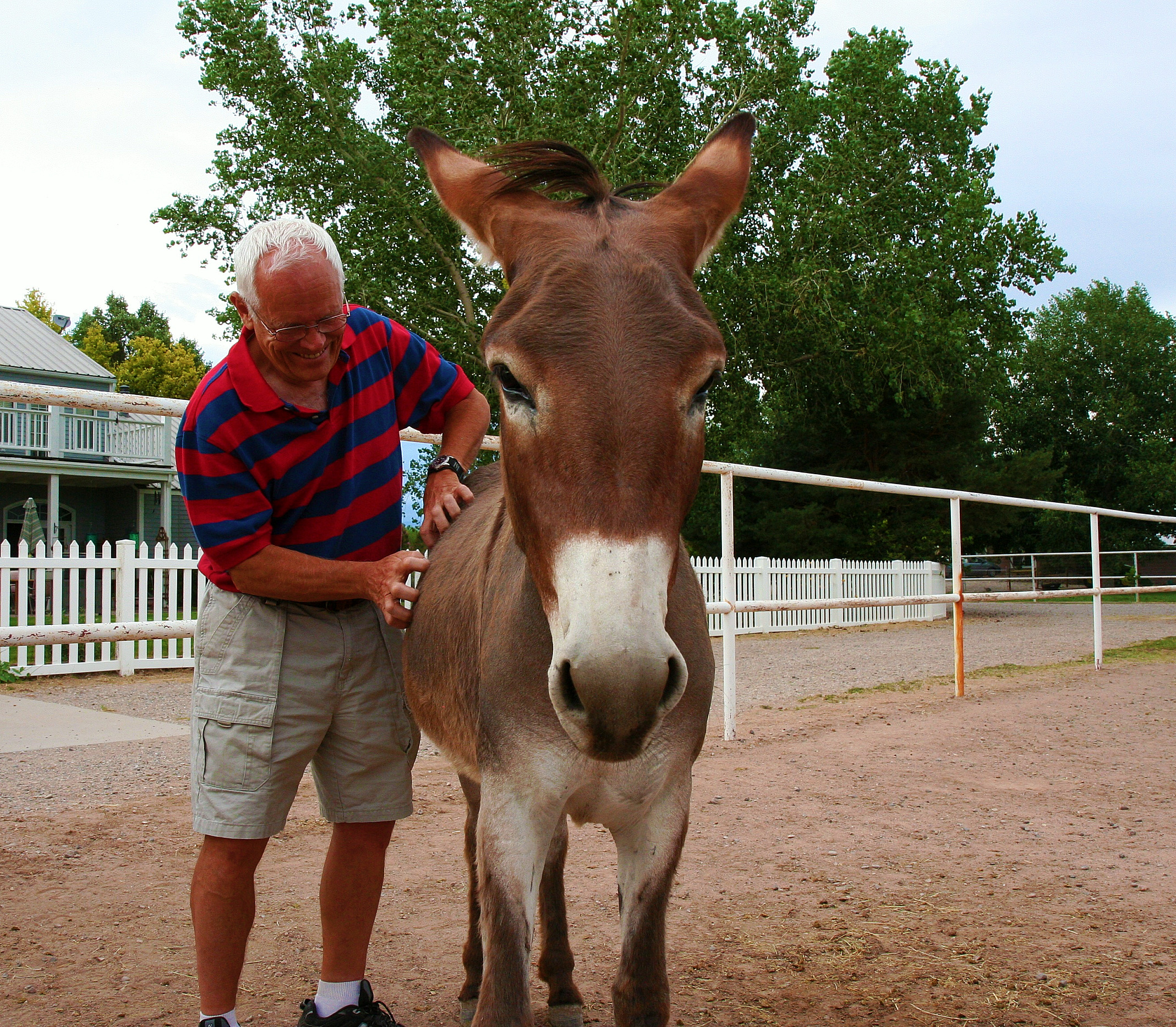
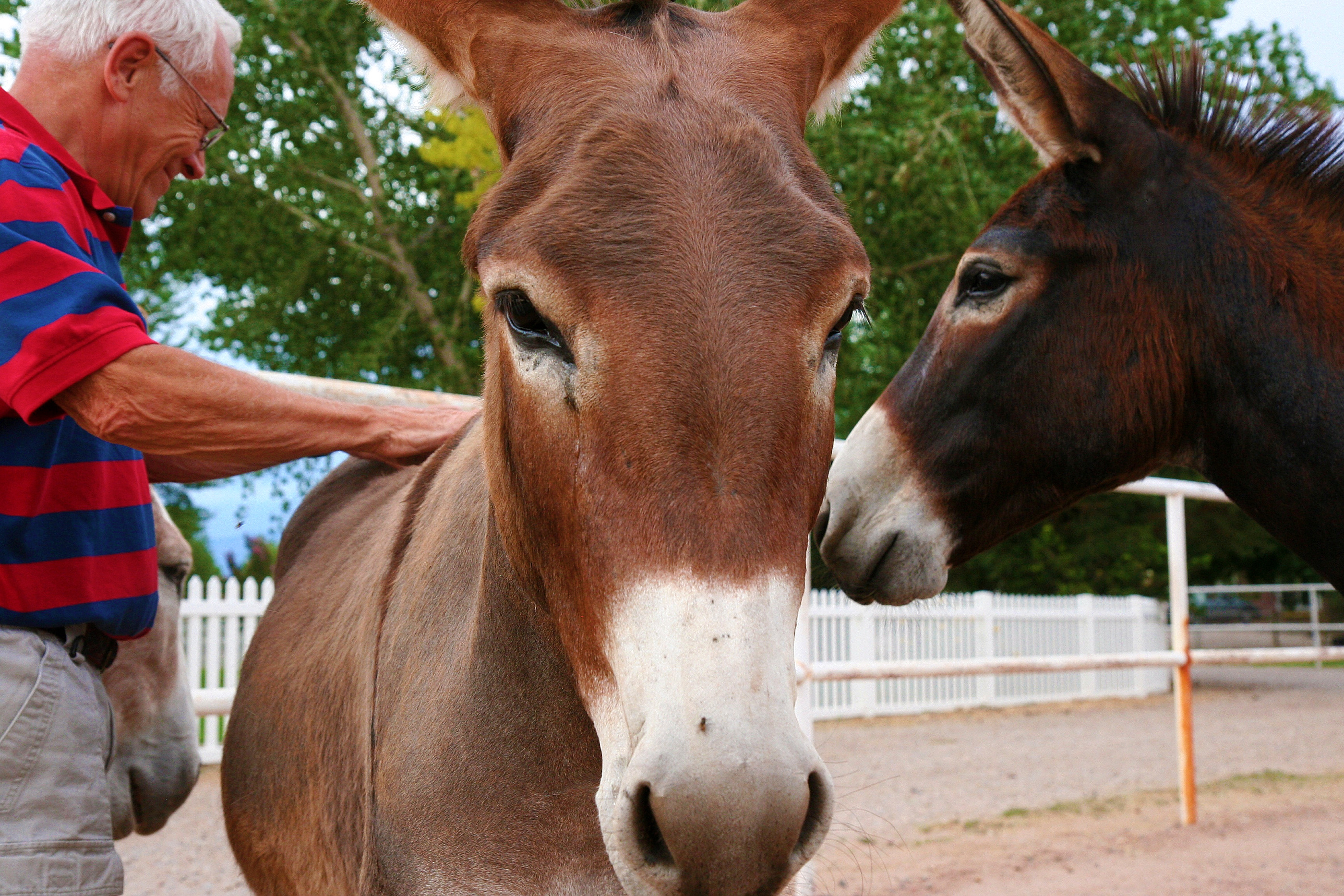
My dad came to visit this weekend.

It was his first time meeting Fergus and Nigel. You would’ve never known.

Nigel took a keen interest in my dad.

Fergus made sure he got scritches from PeePaw. (Don’t miss the look on Fergus’s face.)

Aww, Nigel… ever working up the courage to get closer.

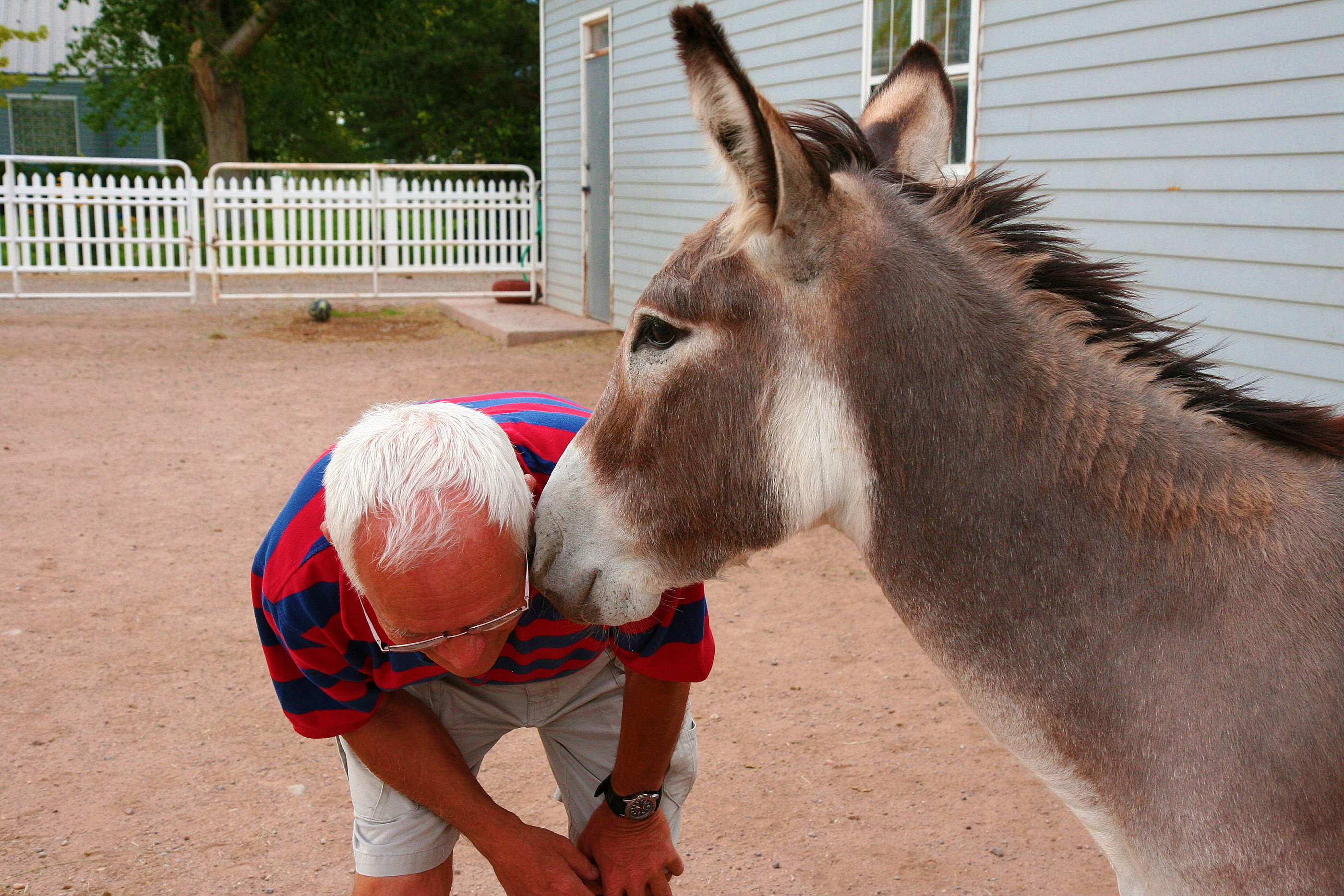
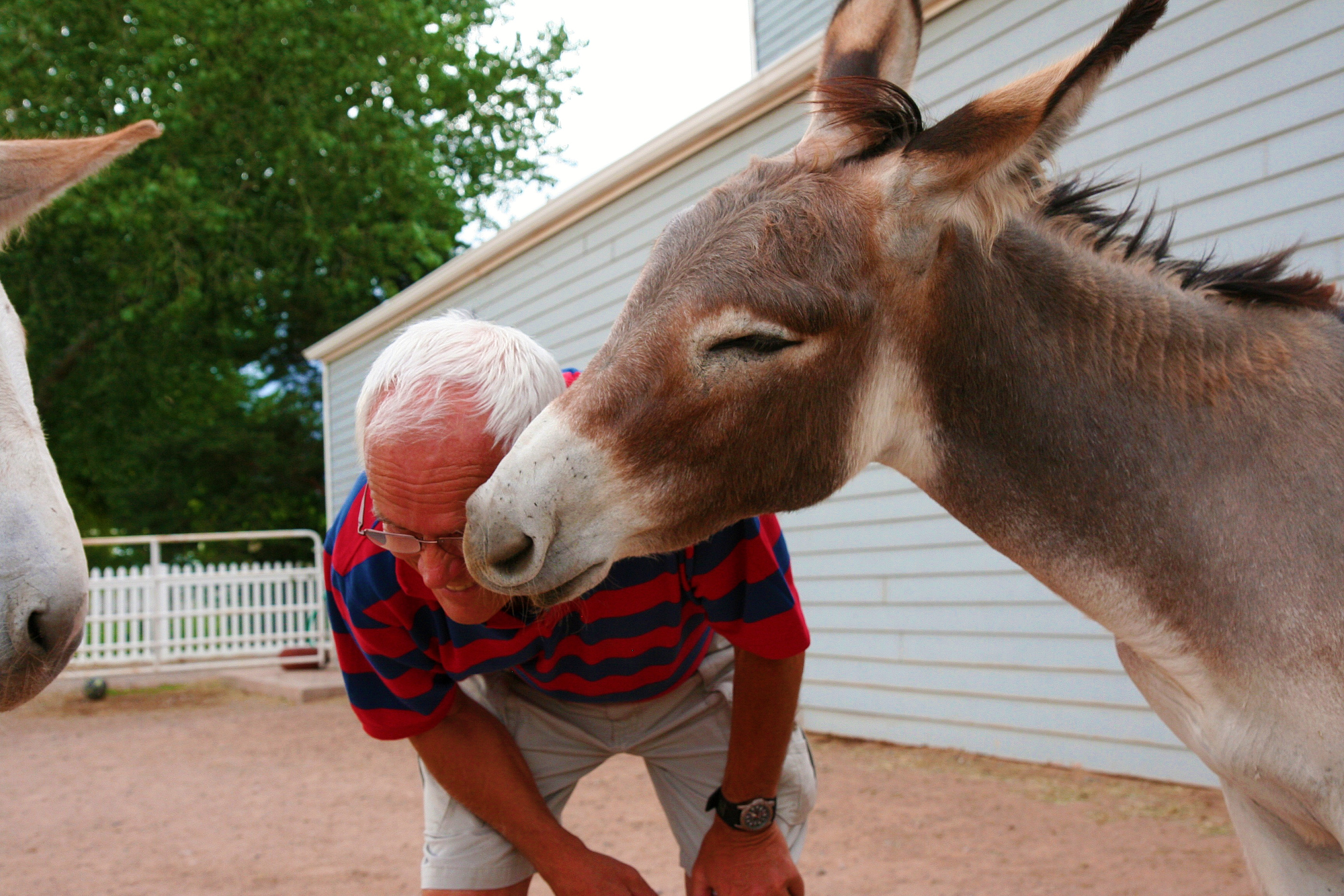
Of course you knew it was inevitable… The Bernard and Ellsworth Show soon followed.  Bernard thought pretending to tell PeePaw a secret…

…was the perfect ruse to make an attempt at eating PeePaw’s glasses.

My dad and Ellsworth found that amusing. Bernard then tried to eat my dad’s shoes,

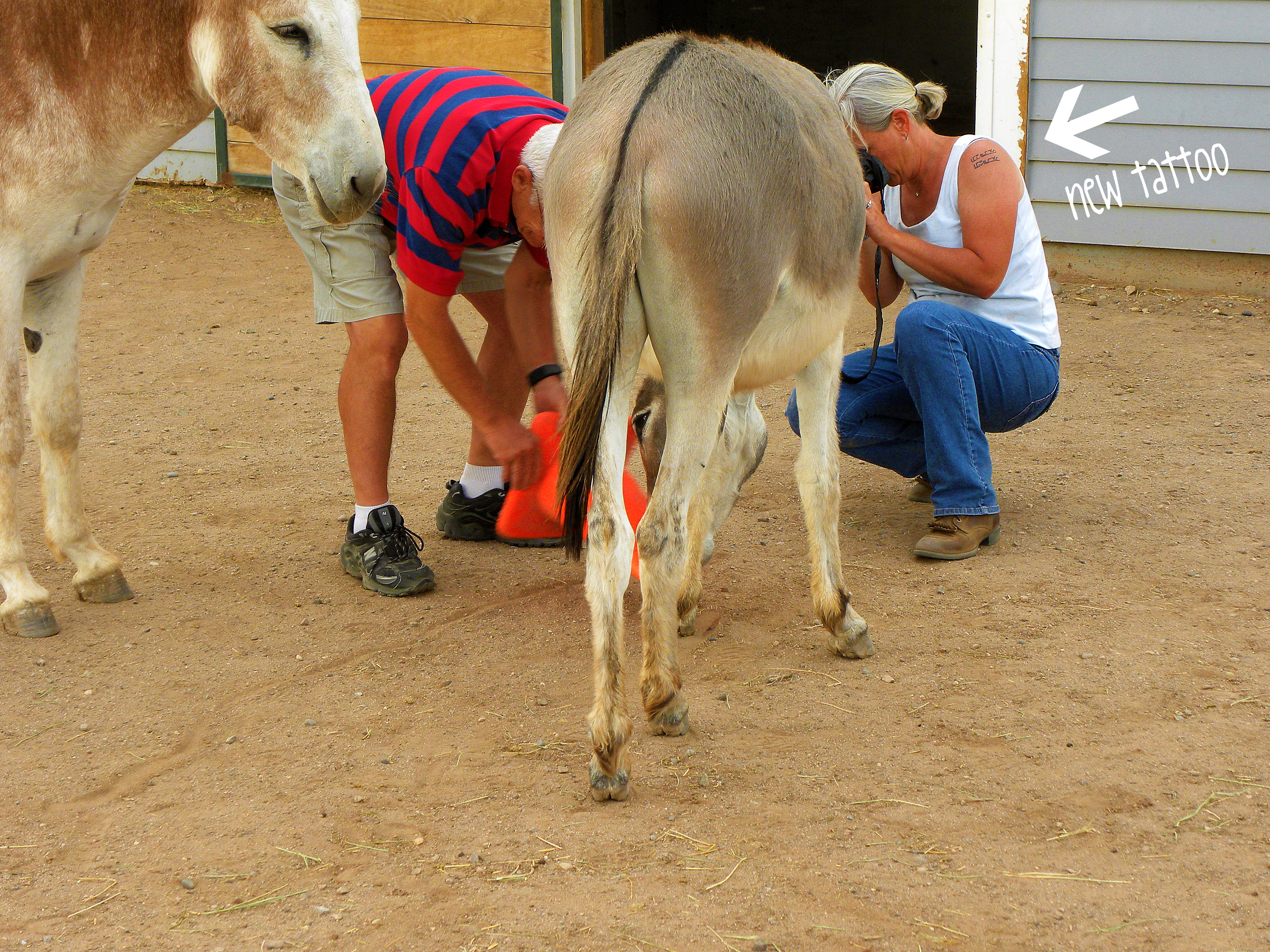
…then wanted to play cone. (Good golly, look at the farmer tan on that woman.)

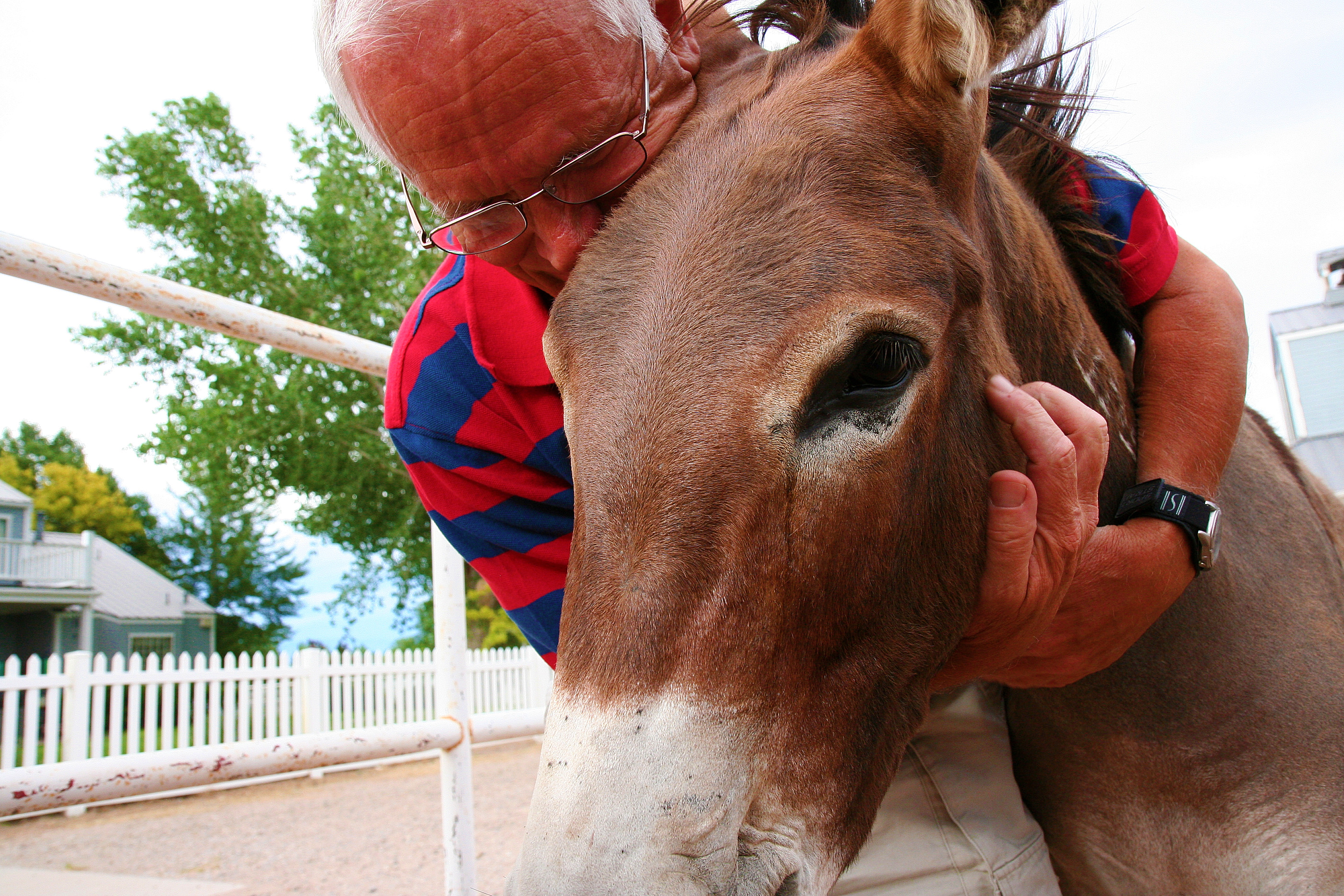
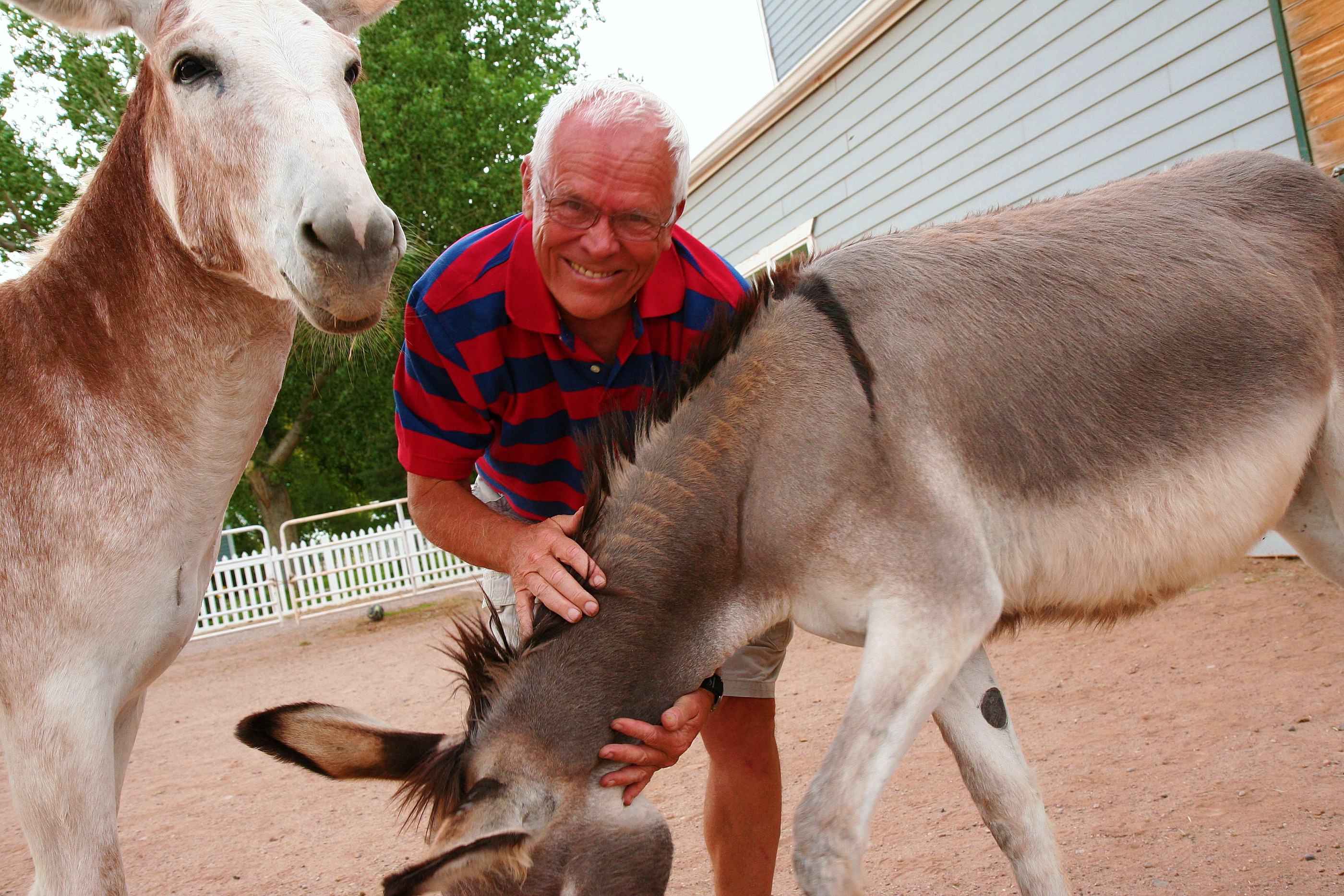
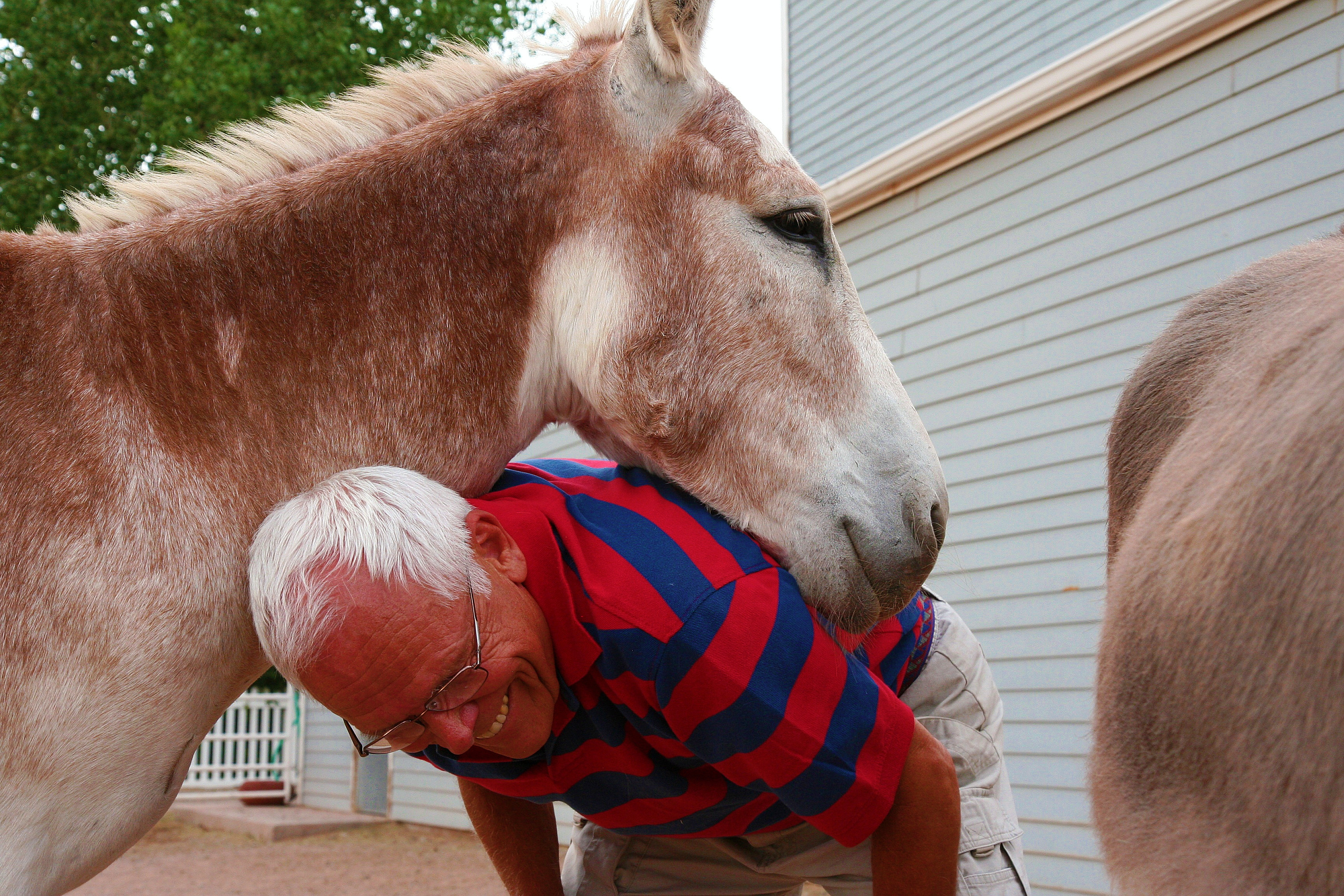
Ellsworth gave PeePaw a hug…

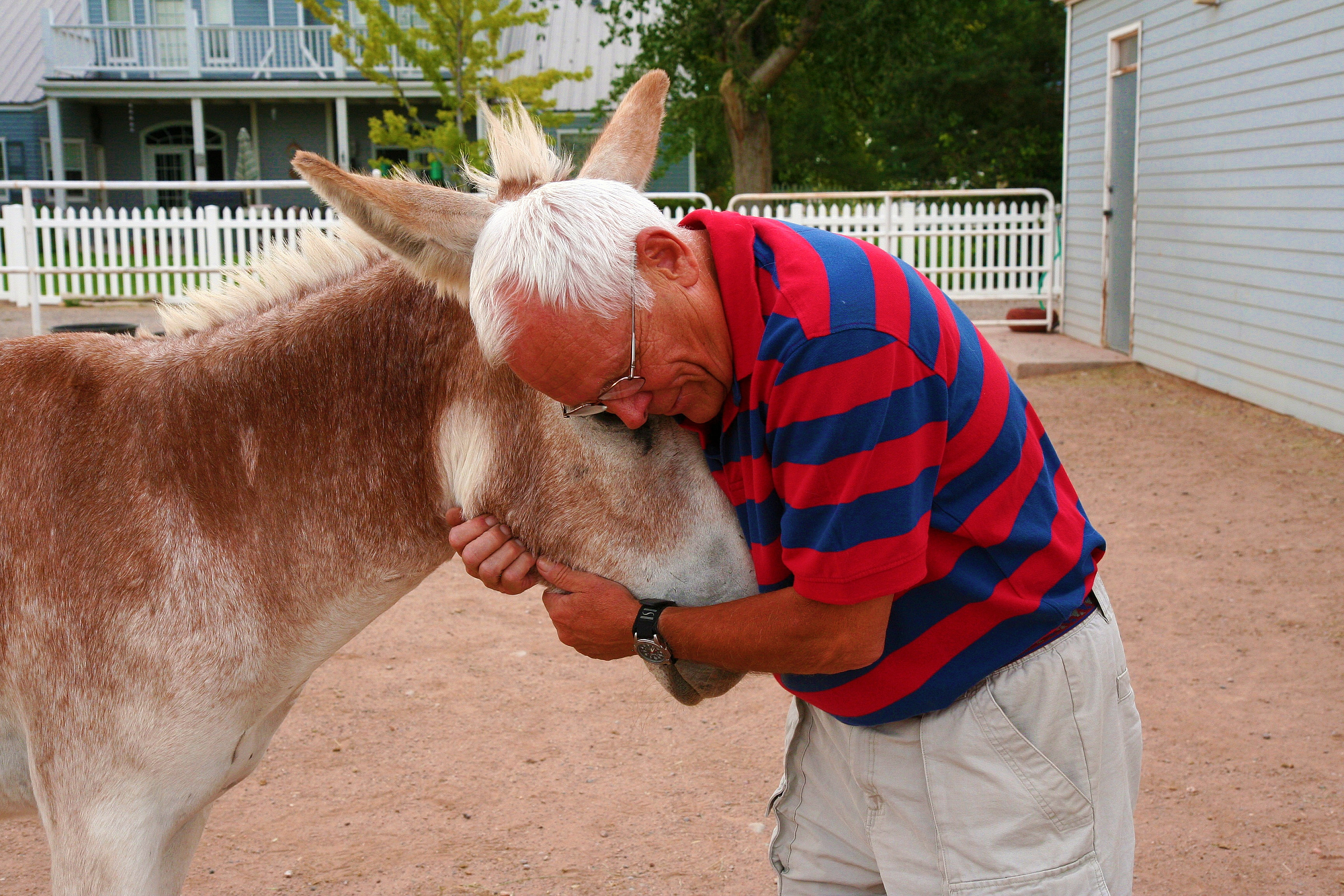
Then my dad gave Ellsworth a hug…

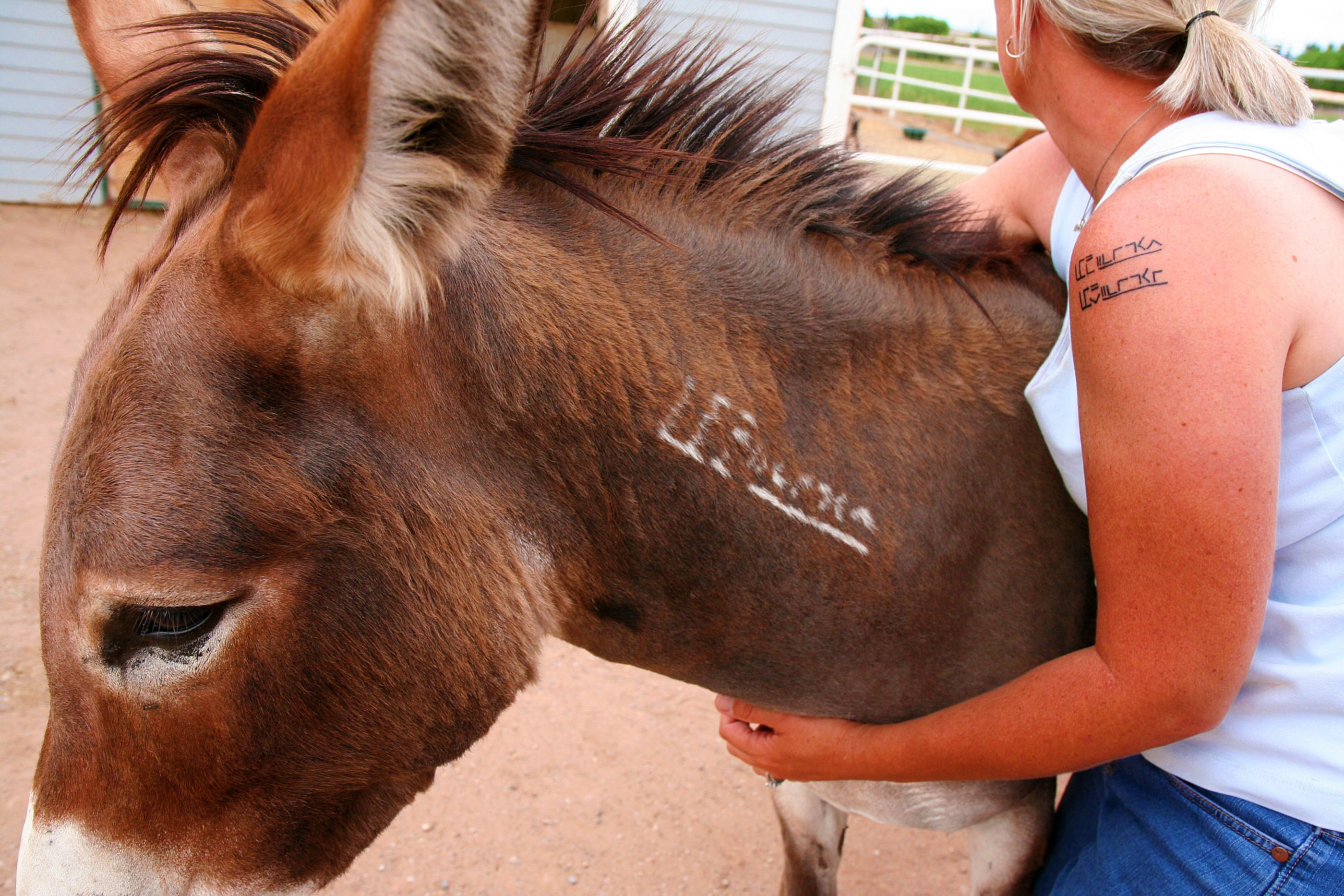
Then… here’s my new tattoo, up close!  The top freeze mark is Fergus’s… the one below is Nigel’s. If you haven’t yet, be sure to check out Carson’s blog today to get the scoop on how it all went down.

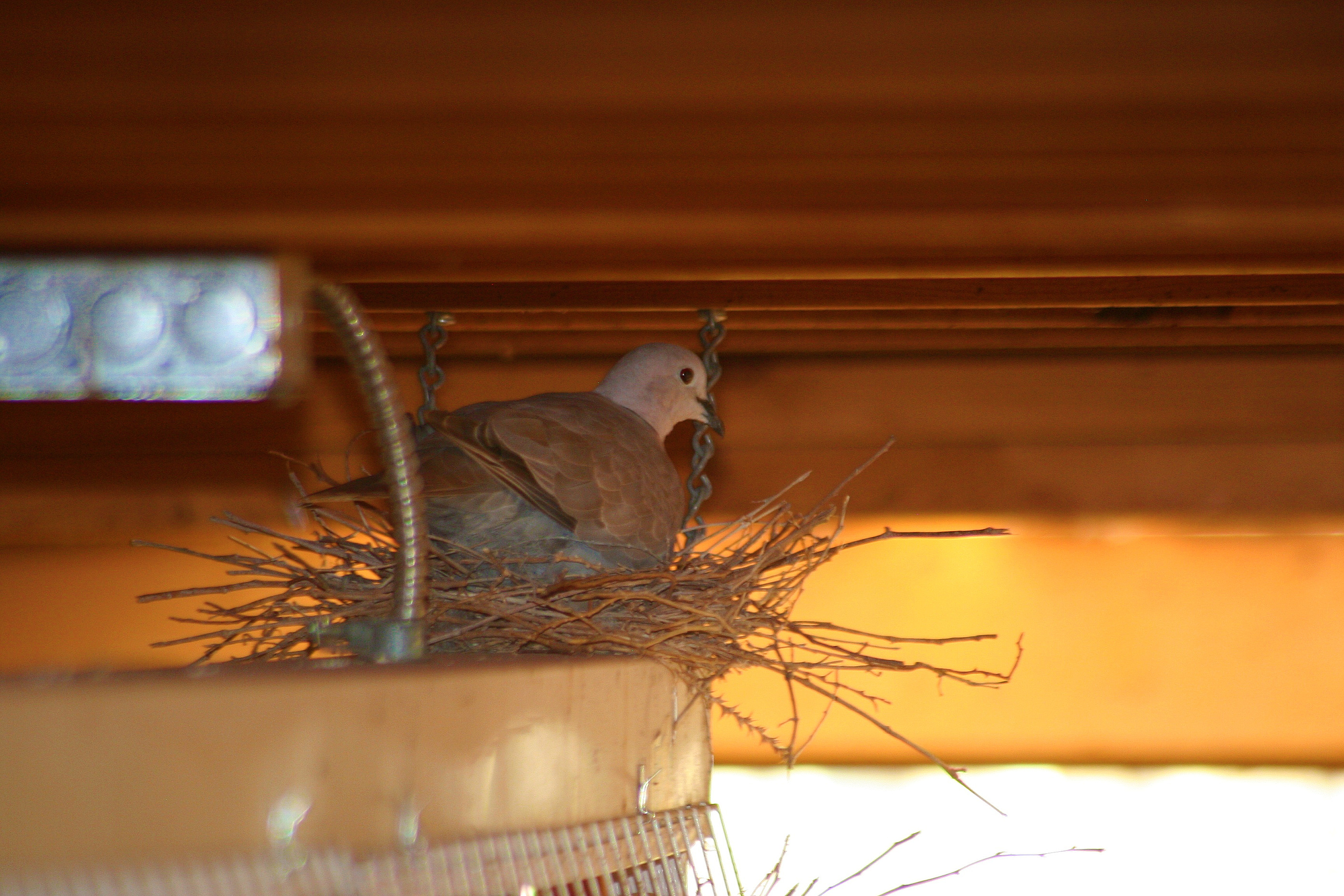
We have a dove nesting above one of the light fixtures in the barn. Not surprising due to the fact that we have a plethora of doves here.

One of the things I’ve come to love about blogging is that I learn so much – not only because I’m always looking things up to be accurate in my posts, but also because I’m constantly learning new things from all of you.

I found the screeching calls of the  doves in Albuquerque very strange until I took the time (only yesterday!) to identify our barn dove. She’s not a Mourning Dove. She’s a Eurasian Collared-Dove and has a very different voice than a Mourning Dove.

Some interesting facts about Eurasian Collared-Doves from whatbird.com:

  • The Eurasian Collared-Dove is one of two species that have been argued to be the wild ancestor of the domestic Barbary Dove.
  • Their scientific name, Streptopeleia decaocto, literally means a collar (streptos) dove (peleia). In Greek mythology, Decaocto was an overworked, underpaid servant girl. The gods heard her prayers for help and changed her into a dove so she could escape her misery. The dove’s call still echoes the mournful cries of her former life.
  • Introduced into the Bahamas in the 1970s, some migrated to Florida in the 1980s. They went unnoticed at first because they look much like the Ringed Turtle-Dove. It wasn’t until the mid-1980s that ornithologists realized the suddenly prolific and quickly spreading “turtle-doves” they were watching were actually Eurasian Collared-Doves. Their impact on native species is unknown; some have suggested that their spread represents exploitation of a niche made available by the extinction of the Passenger Pigeon.
  • A group of doves has many collective nouns, including a “bevy”, “cote”, “dole”, “dule”, and “flight” of doves.